


Why Video Beats Photos for Collingwood Contractors
A finished-kitchen photo proves you can finish a kitchen. It doesn't prove you'll show up, explain what you found behind the drywall, or clean up after yourself. Those are the things a homeowner is actually nervous about when they're handing over a deposit.
Video answers the nervous questions. Thirty seconds of you cutting into a wall, finding rot, and explaining what it means for the timeline does more work than a gallery of finished rooms. The homeowner isn't judging your camera. They're judging whether you sound like someone who tells them the truth.
The Collingwood angle matters here. If your work skews toward chalets, weekend properties and Blue Mountain rentals, a lot of your buyers aren't standing in the driveway when they choose you: they're deciding from a laptop somewhere else, off whatever you've put online. Photos get skimmed. A clip of you walking a job and talking through it is the closest thing to a site visit they'll get before they call.
There's a paid-media reason too. A static photo can win the click when you're advertising a discount or a free quote. But a contractor isn't really selling a discount, you're selling the belief that you won't wreck someone's house and disappear. That's what video carries and a photo can't.
What to Actually Film on the Job Site
Four shots. That's the whole system, and you can get all four on a job you're already doing.
1. The problem, before you touch it
Film the mess before you clean it up. Sagging soffit, cracked grout, the panel someone wired wrong in 1974. You can't go back for this shot once the work starts, and it's the one that makes the finished shot mean anything.
2. The fix, explained in one take
Phone at chest height, vertical, 20 to 40 seconds. Point at the thing and say what you're doing and why. Don't script it. One take, thumb on record, walk away.
3. A working shot with no talking
Ten seconds of the saw, the roller, the torch. This is what you lay under a voiceover or caption later.
4. The reveal
Slow pan of the finished work, same angle as the "before" shot if you can manage it. Matching angles is what makes a before/after land.
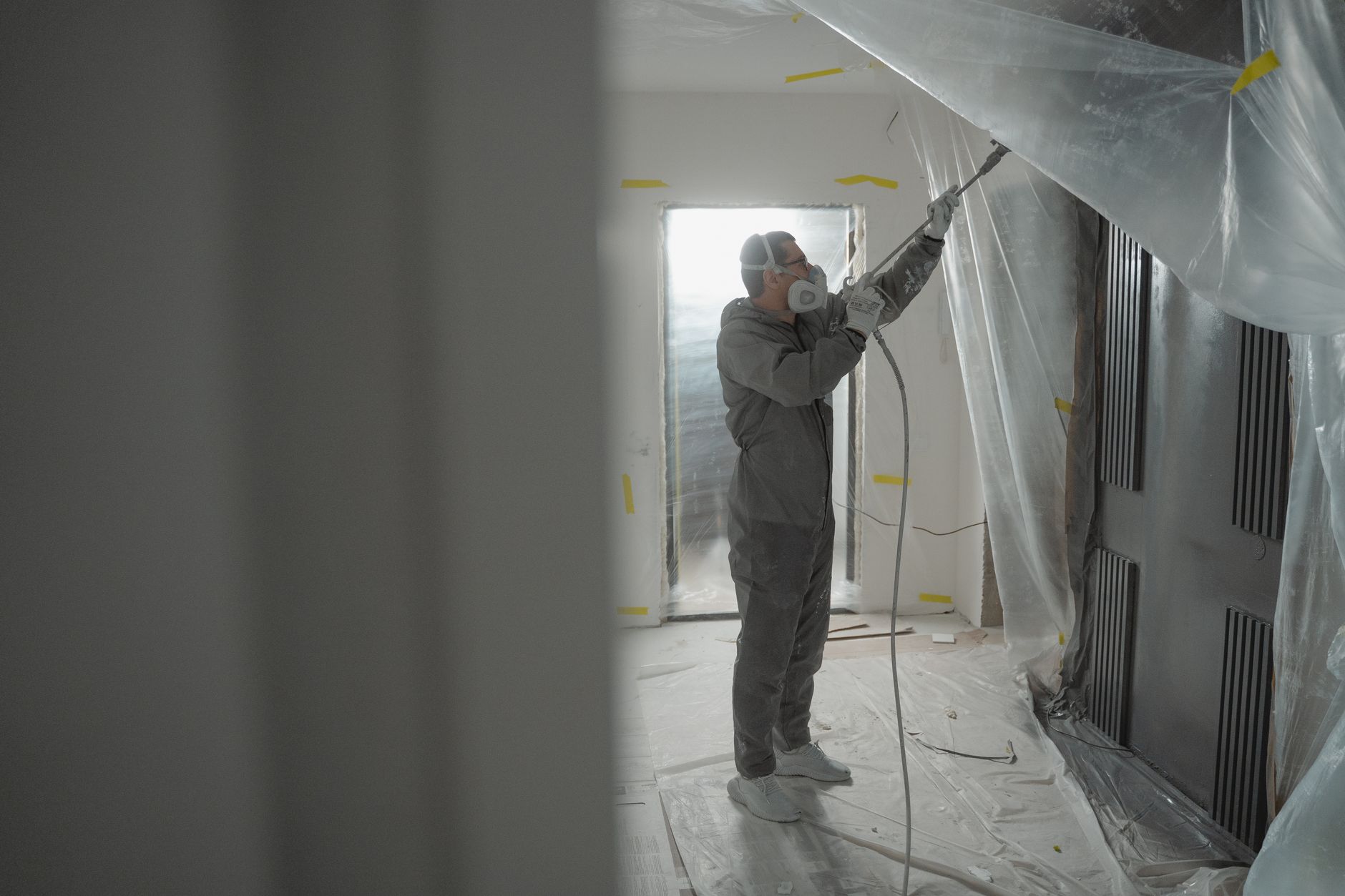
Two rules save you the most grief. Shoot vertical, always, because that's where it's going to be watched. And film in a quiet moment, a compressor running behind your voice kills a clip faster than bad lighting ever will.
Where Contractor Video Marketing Gets Seen
Filming is the easy half. A clip nobody sees is a hobby, so decide where it's going before you shoot it.
- Paid social, radius-targeted. One good before/after cut, run as a Meta ad to homeowners inside a tight radius, Collingwood, Wasaga Beach, Thornbury, the Blue Mountains, beats the same clip posted organically to 40 followers. You control who sees it, and you find out within a week whether the work sells itself.
- Your Google Business Profile. Video and photos on your profile are what a homeowner scrolls after they search "renovation contractor Collingwood" and before they call anyone. Most contractors leave this empty.
- Your service pages. A 30-second clip embedded on the page for the service it shows keeps people reading and gives Google something to chew on. One clip per service page is plenty.
- Organic social, last. Post it, but don't build the plan around it. Reach is unpredictable and slow, and you need booked jobs this season, not an audience next year.
The same shoot day feeds all four. That's the point: you're not making four videos, you're cutting one job three ways.
What Video Marketing Costs a Contractor
Two honest paths.
Do it yourself
Your phone is enough. The real cost is remembering to hit record on a day when three things are going wrong, which is why most contractors quit after two weeks. Fix that with a rule, not with willpower: one clip per job, filmed before lunch, no exceptions.
Hire a crew
A half-day on site gets you enough footage for a month of posts plus one proper ad cut. That's what our in-house video production is built for: cinematic work shot on site and cut ad-ready, not outsourced to someone who's never been on a job site. If you'd rather see how this fits with ads and CRM follow-up for the trades, our home services and trades marketing covers the whole path from clip to booked job.
Either way, budget for editing. Raw footage isn't marketing. In a 2022 Service Direct survey of 559 US homeowners, 59% said they're more likely to hire a contractor whose website has videos, but that only counts if the video gets watched, and a clip that runs 90 seconds with no cut loses them before the good part.
How to Start Without Wasting a Weekend
Thirty days, four jobs, no gear purchase:
- Week 1: film the four shots on one job. Don't post anything.
- Week 2: cut one 30-second before/after. Put $10 a day behind it, targeted 25 km around Collingwood.
- Week 3: film a second job. Post the first clip to your Google Business Profile.
- Week 4: look at what actually happened. Which clip held attention? Did the phone ring? Keep the format that worked, drop the other one.
Four clips in a month is a real library. Twelve is a marketing channel. The contractors who win at this aren't the ones with the best footage: they're the ones still filming in month six.