The short above makes the blunt version of the point this post digs into: posting alone isn't a strategy. The rest of this post is the actual system, the content mix, the cadence, and the follow-up habits, that turns a restaurant's social media from a chore into something that fills tables.
Why Most Restaurant Social Media in Barrie Plateaus
Walk through the Instagram of ten restaurants in downtown Barrie and you'll see the same pattern: a plated dish, a slow pan across the dining room, a repost of someone's story tag. Pleasant. Forgettable. None of it answers the one question that actually drives a booking, "why should I come in tonight instead of somewhere else?"
The accounts that break out of that plateau treat every post as an answer to that question. A Tuesday-only pasta special, framed as urgency ("gone by Thursday"). A 20-second clip of the kitchen during a Friday rush, framed as proof the place is actually busy. A face, the owner, the head chef, a regular server, because people follow people, not logos. Say a downtown Barrie café swaps its usual "here's our latte" post for a 15-second video of the barista actually pulling the shot while explaining why they switched beans. That's the difference between content that gets scrolled past and content that gets remembered at 6pm when someone's deciding where to eat.
The Content Mix Behind Social Media Marketing for Restaurants That Works
A restaurant account that converts is built on three content types, not one:
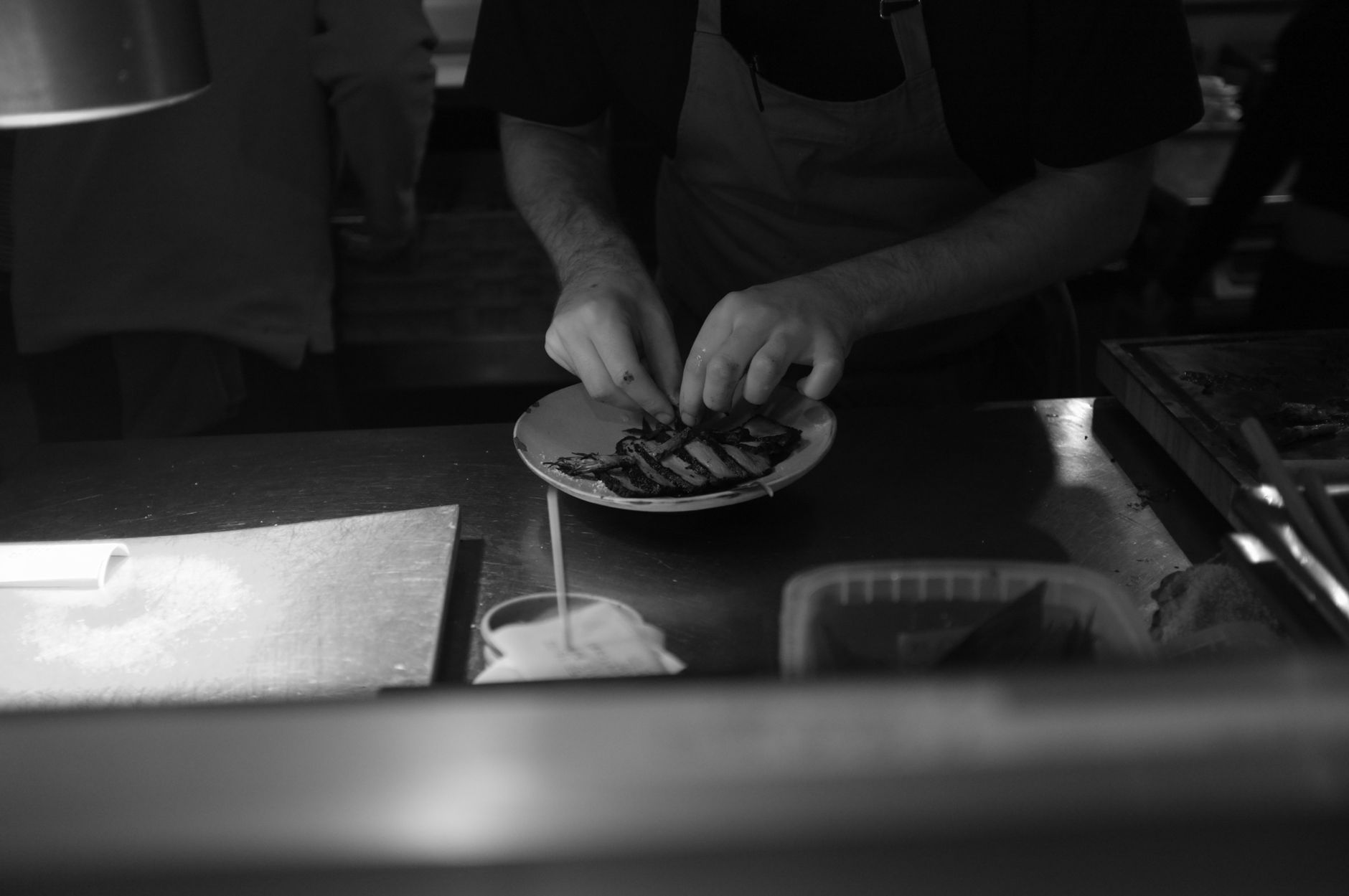
Proof of the food. Not stock-photo-style plating shots: real, slightly imperfect video of the dish being made or served. Short-form video is the single highest-ROI content format marketers report today, ahead of long-form video and every static format, according to HubSpot's 2026 State of Marketing Report. For food specifically, it does something a photo can't: it shows texture, steam, sound; the sensory cues that actually trigger hunger.
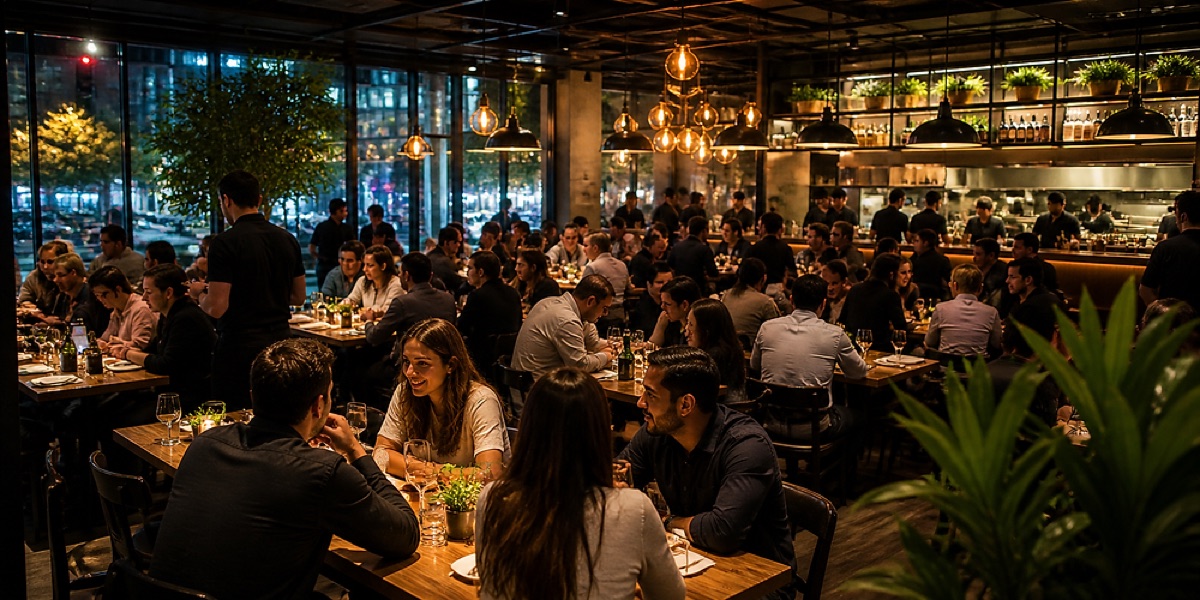
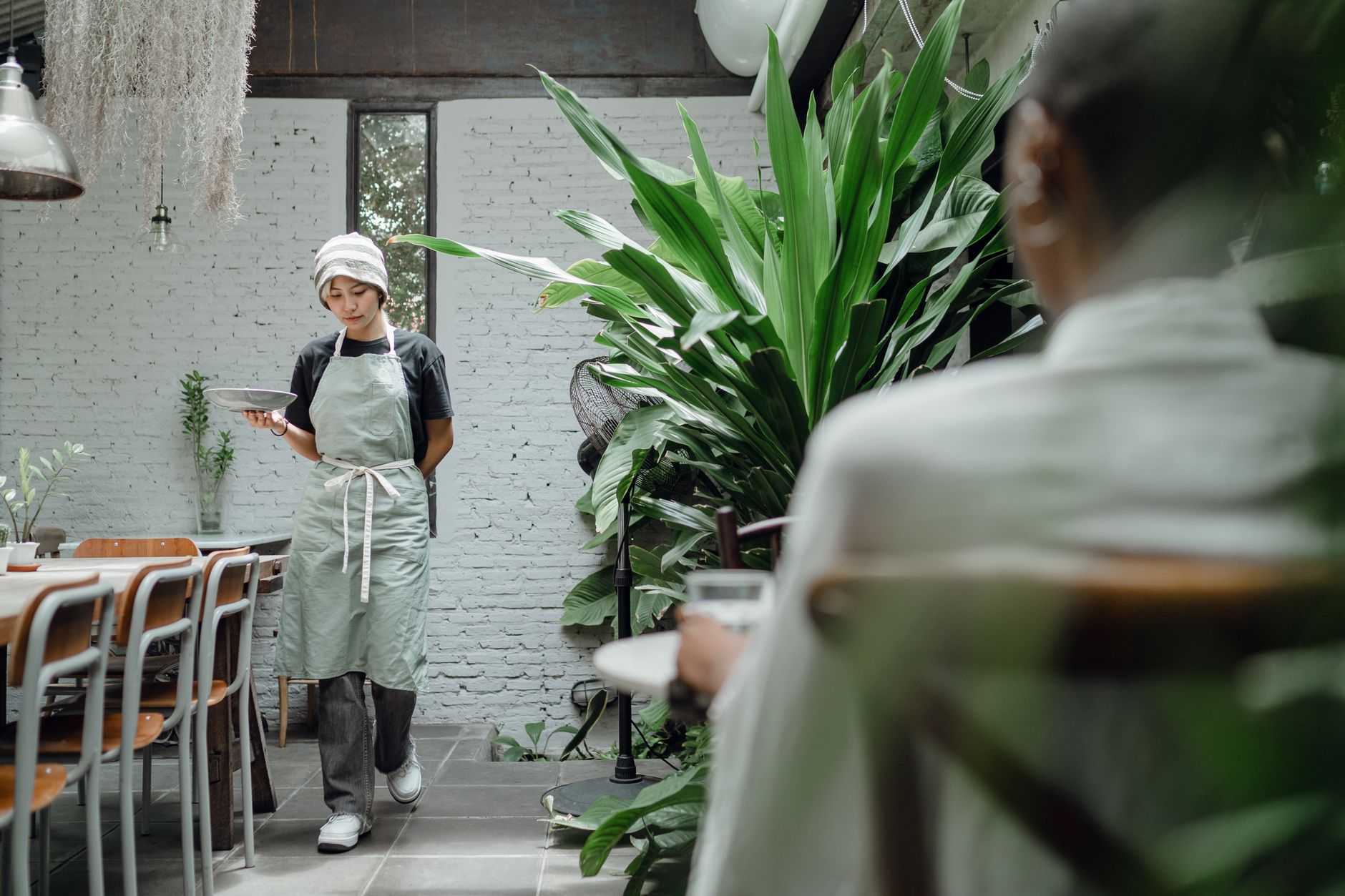
Proof of the room. A packed Friday night, a birthday table mid-song, a line at the counter on a Saturday morning. This is social proof doing the job a five-star review does, except it's moving and it's happening right now. A restaurant with an empty dining room in every photo is quietly telling people not to bother.
Proof of the people. The owner explaining a menu change. A server who's been there six years. Kitchen staff plating an order during a rush. Barrie is a small enough market that a familiar face on a screen turns into a familiar face walking through the door.
Split roughly 40/30/30 across those three, food, room, people, and rotate weekly rather than batching all of one type. A feed that's all food photos looks like a menu; a feed that mixes in the room and the people looks like a place.
Posting Cadence: Consistency Over Volume
"Post consistently" is the advice everyone gives and almost nobody explains. Consistency doesn't mean posting every day; it means picking a cadence you can actually sustain for three straight months, because the algorithm and the audience both reward accounts that don't go quiet.
For a single-location Barrie restaurant with no dedicated social hire, four posts a week is realistic: one proof-of-food video, one proof-of-room moment, one people-focused post, and one that's purely promotional (a special, an event, a seasonal menu change). Three months of that beats a burst of daily posting in January that dies out by February, an inconsistent account reads to both the algorithm and the customer as a place that might not be reliably open.
Stories are the cheap, low-effort layer underneath that weekly plan, a same-day "special's almost gone" or "we're slammed tonight, walk-ins welcome after 8" post costs two minutes and drives same-day decisions in a way a scheduled feed post never will.
Turning Followers Into Actual Reservations
Followers are a vanity number until they're tied to something that happens in the restaurant. Three tactics close that gap:
A trackable link or code in the bio. Even something as simple as "mention this post for a free appetizer" gives you a real signal, table by table, of whether social is actually driving anyone through the door, instead of guessing.
Geotagging and local hashtags, every single post. A post tagged with the actual Barrie neighbourhood and Simcoe County shows up to people physically nearby searching for dinner options tonight, which is a very different audience than generic foodie hashtags with millions of posts already in them.
Direct message follow-up on comments, same day. Someone commenting "this looks amazing, where is this" is a warmer lead than almost anything paid ads can produce: reply within the hour with a direct answer and, ideally, an invitation, not a like.
Say a family-run Italian spot in Barrie starts replying to every "where is this" comment with a specific invite, "Thursday's usually quieter if you want a table without the wait", instead of a generic "thanks!" That single habit, done consistently, turns casual scrollers into actual reservations at a rate no amount of extra posting alone will match.