Why Social Media Marketing for Electricians Actually Works in a Market Like Newmarket
Newmarket homeowners aren't searching "electrician" the way they search for a plumber during a flood — an electrical job is usually planned, or at least noticed weeks before it's urgent. That gap is exactly where social content earns its keep. A homeowner scrolling into a post about a panel upgrade in their own neighbourhood remembers the name when the breaker starts tripping.
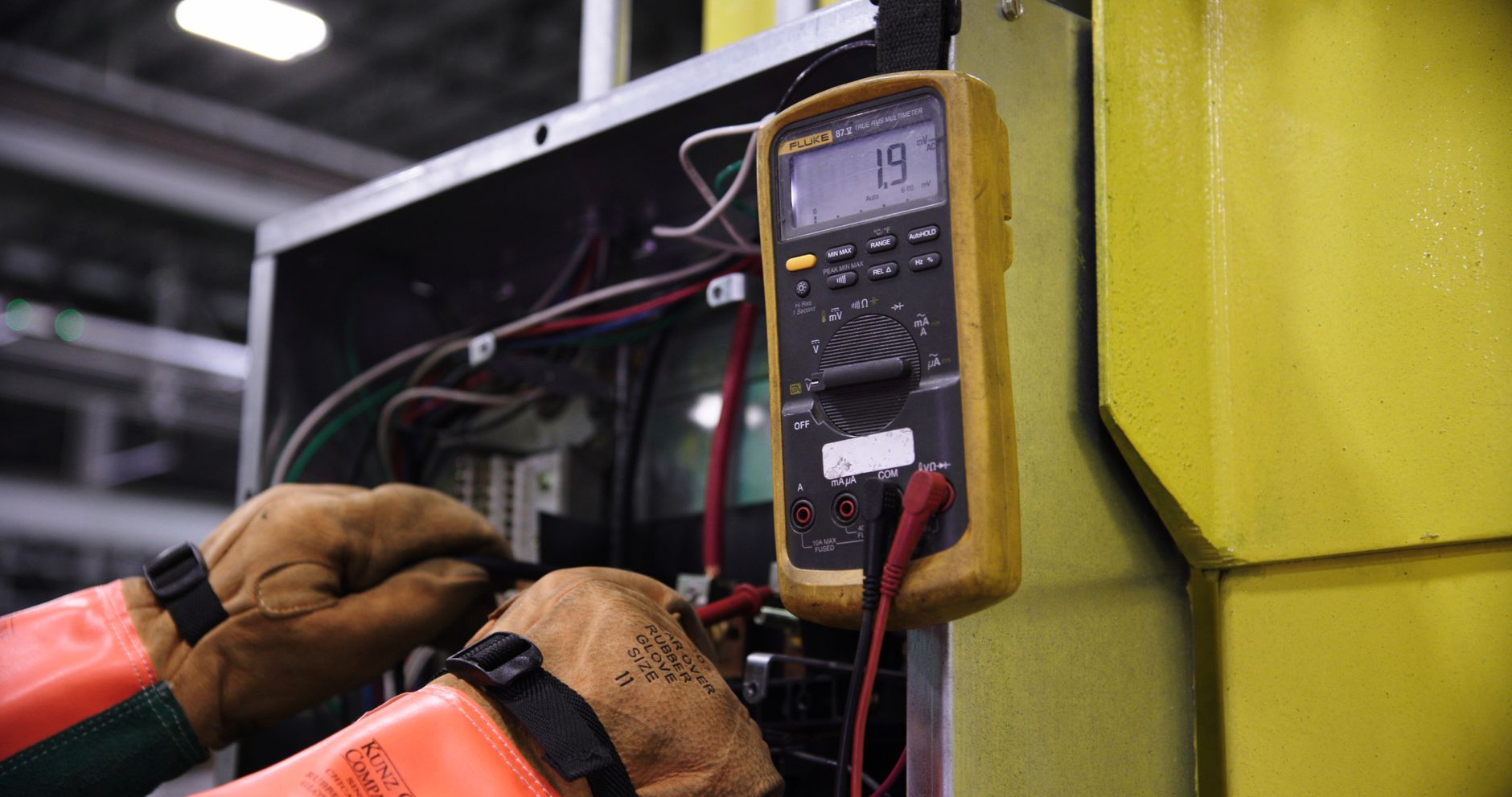
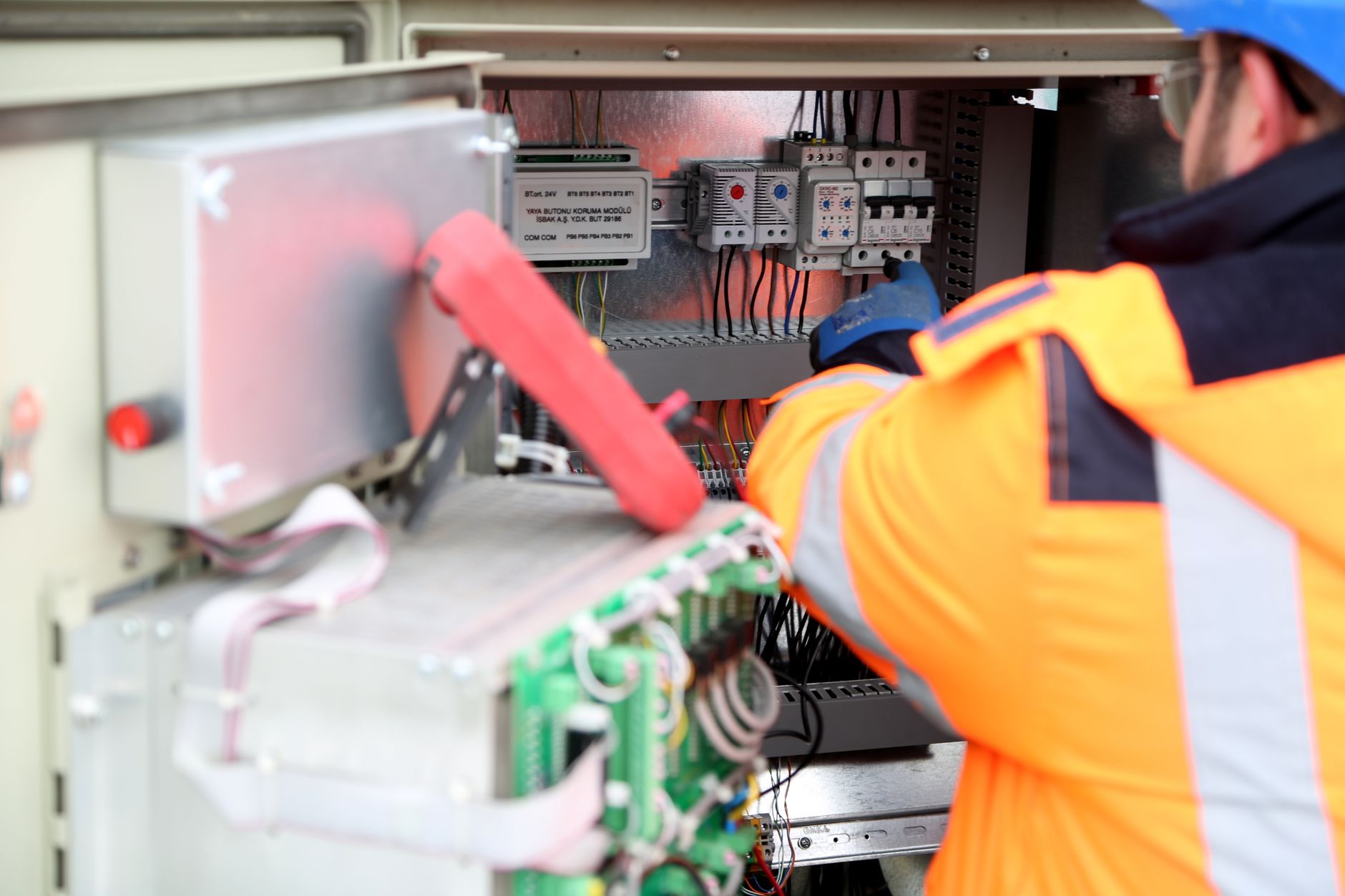
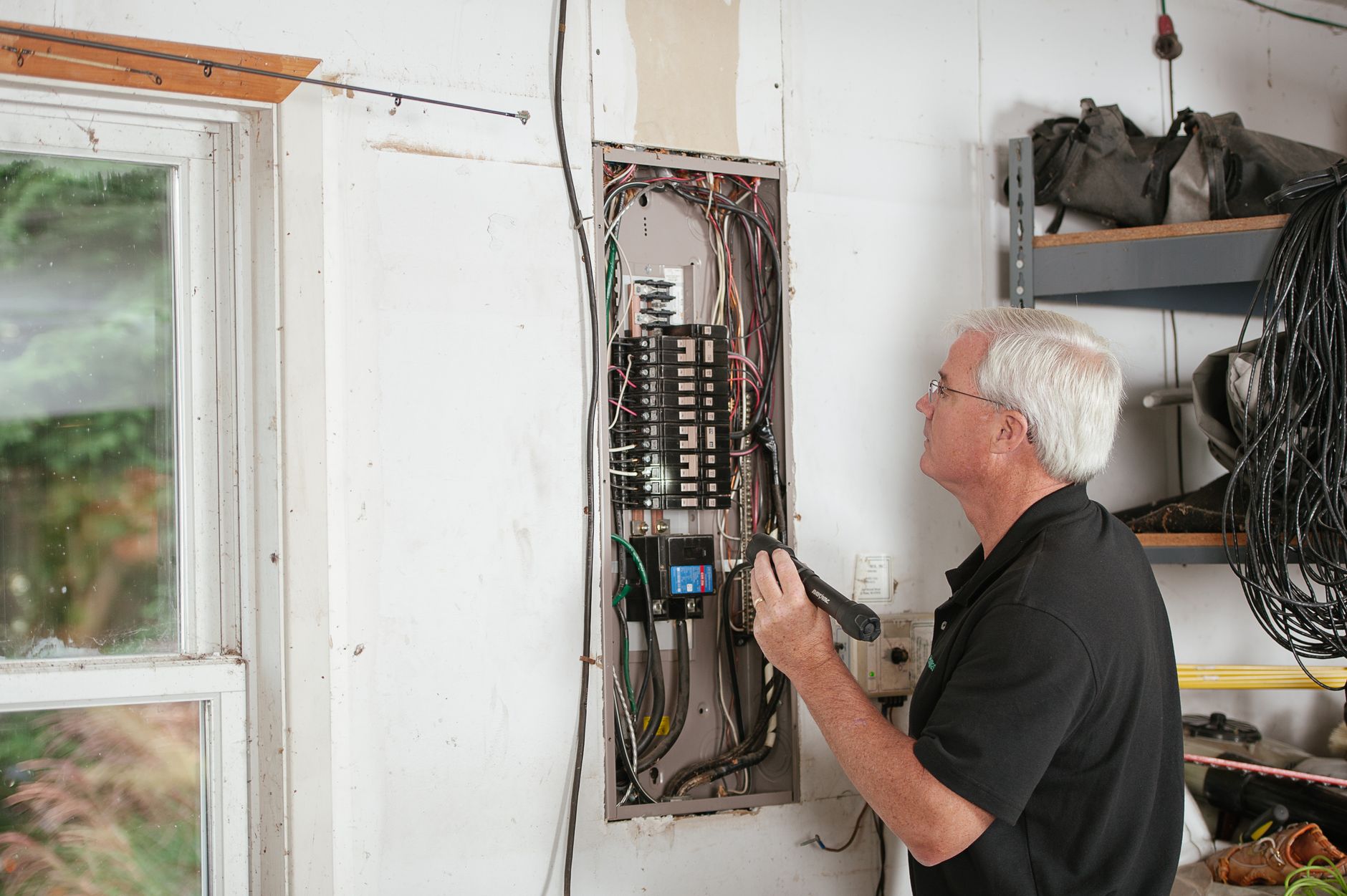
Say you run a two-truck electrical business out of Newmarket. You post a 30-second clip of a panel swap on a Davis Drive bungalow, captioned with the actual problem it solved — "this panel was still running on fuses, here's what we swapped it for." That post does three things a business card never could: proves you do real work, proves you do it locally, and gives Facebook's algorithm a reason to show it to someone three streets over. It's the same instinct behind marketing for home services and trades generally — the businesses that win are the ones that make their real work visible, not the ones with the slickest logo.
That's the exact point in the video above: posting isn't marketing by itself — it's marketing when what you post proves something real. A caption-free stock photo of a smiling electrician in a hard hat doesn't do that. A photo of the actual panel you replaced, with the actual problem named, does.
What to Actually Post — Skip the Generic "We're Hiring" Content
Generic posts get generic engagement. Useless. The posts that pull calls are the ones that show a specific problem getting solved:
- Before/after panel or wiring shots — visually obvious value, no explanation needed.
- Short "what this actually costs" videos — a 45-second breakdown of what a subpanel install runs, with the caveat that every home differs. Transparency reads as trustworthy, especially in a trade people already suspect of overcharging.
- Safety-flag content — "three things I look for the second I walk into a Newmarket basement" builds authority without selling anything directly.
- The boring stuff, shown fast — labeling a panel, testing a GFCI, torque-checking a breaker. It's not exciting to you. It's proof of competence to a homeowner who's never seen it done right.
Avoid stock-photo style posts, holiday graphics with no connection to the work, and anything that reads like it was written by a template. An electrician's page that looks like every other trade's page gets scrolled past.
Which Platform to Prioritize for Social Media Marketing in a Smaller Ontario Market
Facebook and Instagram carry the most weight for a residential electrical business in a market the size of Newmarket — that's where homeowners are, and where local Facebook groups (the "Newmarket neighbours" type pages) actively share tradesperson recommendations. TikTok can work if someone on the team is genuinely willing to be on camera regularly, but don't force it; an inconsistent TikTok does less for you than a consistent Instagram.
Google Business Profile isn't technically "social," but it belongs in the same weekly habit — a job photo posted there gives someone actively searching "electrician near me" the same proof of real work that a social post gives someone just scrolling. Same photo, two different moments in the customer's decision.
Don't spread thin across five platforms to look active everywhere. A Newmarket electrician posting three solid times a week on one platform beats the same person posting once a month across four, because the algorithm on every platform rewards accounts it can predict — and an audience can't build trust with a page that shows up once a season.
Building a Posting Habit That Survives a Busy Week
The plan that fails is "post every day." The plan that survives is smaller:
- Photograph every job, always — make it as automatic as taking a payment. Before and after, on your phone, no exceptions.
- Batch the writing, not the shooting — spend twenty minutes on a Friday captioning the week's photos instead of trying to write something clever mid-job.
- Post three times a week, consistently, rather than seven times for two weeks and then nothing for a month. Consistency is what the algorithm and the audience both reward.
- Track which posts actually get a call or a message — not likes. A post with twelve likes and one DM asking for a quote beats a post with two hundred likes and zero inquiries every time.