
What Inbound Marketing Actually Means (And Where SEO Fits)
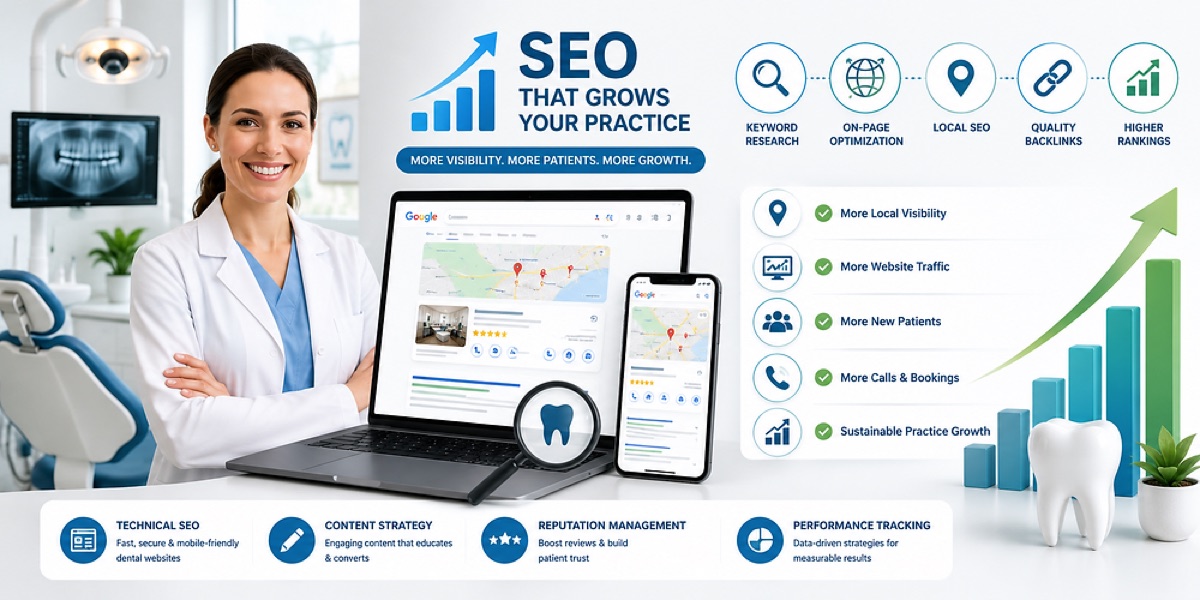
Inbound marketing is the idea that instead of interrupting people with ads they didn't ask for, you earn their attention by being genuinely useful when they're already looking for an answer. Someone searches "how to lower cost per lead," lands on a blog post that actually answers it, and moves from stranger to lead without ever seeing a cold pitch.
SEO is the mechanism that gets that post in front of them in the first place. Without it, inbound content is just a page sitting on your site that nobody finds — a great answer to a question nobody typed into Google. Without inbound thinking, SEO becomes a vanity project: you rank, traffic shows up, and then leaves, because the page was built to satisfy a search algorithm instead of the person behind the search.
That's especially true for local SEO, which is where a lot of small businesses get their first real inbound win. Ranking for a city-specific search doesn't require out-ranking a national brand nationally — it just requires showing up first for your own market, which is a far more achievable target and exactly the kind of specific, winnable keyword inbound marketing is built around.
Say a small accounting firm writes a genuinely thorough post on "how to organize receipts for tax season." SEO gets it ranked. Inbound marketing is everything that happens next — the internal link to a "bookkeeping services" page, the email signup offer, the clear next step at the bottom of the post. One without the other is half a strategy.
Why SEO and Inbound Marketing Work Better as One System
Treat SEO and inbound marketing as separate teams or separate to-do lists, and you get predictable failure modes. The SEO side chases keyword volume without checking whether the searcher is actually a fit for what you sell. The content side writes what "feels helpful" without checking whether anyone searches for it at all. Neither failure is dramatic — pages just quietly underperform for months before anyone notices.
Running them together means every piece of content starts with the same two questions: does a real number of people search for this, and does answering it well move them toward becoming a customer? A keyword with decent volume but zero connection to what you sell isn't worth ranking for. A perfect sales pitch nobody searches for isn't worth writing.
Inbound-sourced leads also tend to start the conversation further along than outbound ones — they found you by searching for an answer to a real problem, not because an ad interrupted them. That's a warmer starting point than a cold list, and it's worth building a deliberate system around instead of treating it as a side effect of ranking well.

That's the practical case for combining SEO and inbound marketing under one plan instead of splitting them across two teams with two sets of goals: the SEO metric (rankings, traffic) and the inbound metric (leads, revenue) need to be the same conversation, not two separate reports nobody cross-references.
Building Content That Ranks and Nurtures at Every Funnel Stage
Most SEO content only targets one stage of the funnel — usually the top, because "how to" keywords have the most volume. That leaves the middle and bottom of the funnel to whatever sales collateral already exists, which rarely gets found through search at all.
A working inbound content plan covers three stages, deliberately:
- Top of funnel — informational keywords ("what is local SEO," "how does content marketing work") that earn the first visit. These need real SEO investment: proper titles, headers, and depth, because they're competing against everyone.
- Middle of funnel — comparison and "how to choose" content ("SEO vs paid ads for a new business," "how to pick a marketing agency") that catches people actively evaluating options.
- Bottom of funnel — direct, service-adjacent content that answers the last objection before someone books a call, often the most overlooked stage because it doesn't look like "SEO content" at first glance.
Each stage needs its own internal links: top-of-funnel posts should link sideways to related educational content — see our beginner's guide to organic marketing for an example — and upward to the service page that solves the problem once someone's ready to act.
A Practical SEO and Inbound Marketing Plan for the Next 90 Days
Theory is easy. Here's what to actually do, in order:
- Audit what you already rank for. Pull your current organic keywords and flag the ones with real search volume but low relevance to what you sell — those are wasted SEO effort.
- Map three funnel stages to real topics. Pick 2-3 top-of-funnel keywords, 2-3 middle-of-funnel comparisons, and 2-3 bottom-of-funnel, decision-stage topics. Write those before adding more top-of-funnel volume.
- Add one clear next step to every page. Not just a generic "contact us" button — a specific link to the next thing a reader in that content's funnel stage would want: a related post, a service page, or a booking link.
- Track leads by entry page, not just rankings. A page ranking #3 that never produces a lead is a worse investment than a page ranking #8 that converts consistently. If you're not tracking that, you're optimizing for the wrong number.
- Review quarterly, not annually. Search intent and competition shift. A plan built once and never revisited slowly drifts from what actually ranks or converts.
None of these steps require a bigger budget than most small businesses already spend on content — they require spending it against a single plan instead of two disconnected ones.
FAQ
Is SEO part of inbound marketing, or a separate thing?
SEO is one of the main engines of inbound marketing — it's how the useful content inbound marketing depends on actually gets found. Inbound marketing is the broader strategy; SEO is the discovery mechanism inside it.
How long does it take to see results from combining SEO and inbound marketing?
Most businesses see early traffic movement in 2-4 months and meaningful lead flow by month 4-6, depending on competition and how consistently content gets published. Combining the two doesn't speed up SEO's timeline — it makes the traffic that does arrive worth more.
Do I need a big content team to run SEO and inbound marketing together?
No. A small, consistent output — even 2-4 well-targeted posts a month, each mapped to a real funnel stage — outperforms a large volume of generic content with no plan behind it.