

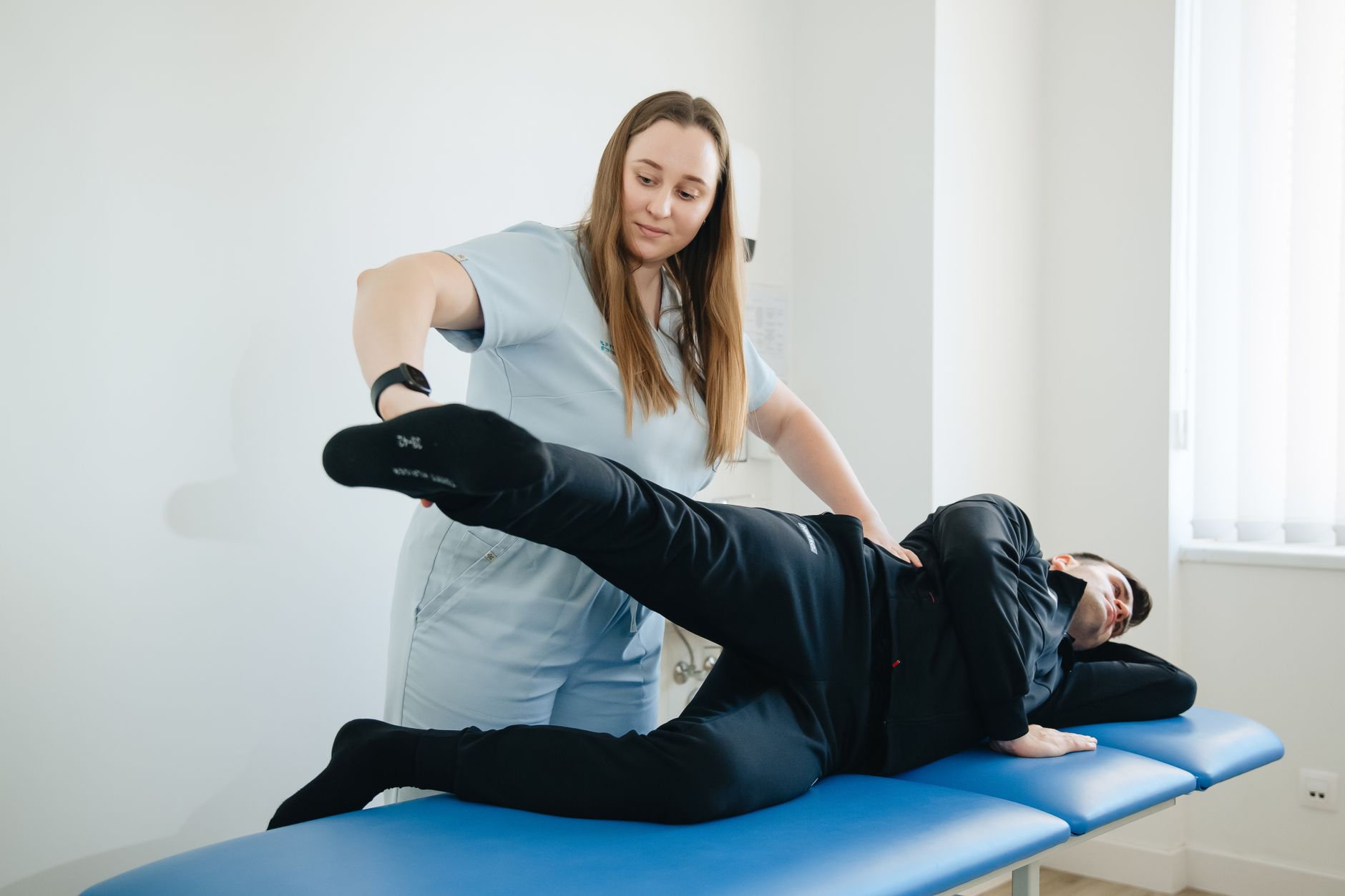
Why Physiotherapy Clinics Underinvest in SEO
Physio is a relationship business, so most clinic owners assume marketing means asking happy patients to tell their friends. That works, slowly. It also caps growth at whatever your current patient base is willing to talk about, which says nothing about the person in Bradford searching for a physiotherapist tonight who has never met anyone at your clinic.
Search is different from referrals in one important way: it captures people at the exact moment they're deciding. Someone searching "physiotherapy Bradford" after a weekend sports injury isn't casually browsing, they're choosing a clinic to call today. If your website doesn't show up, or shows up with a thin, generic page, that patient books with whichever clinic looks more credible in the ten seconds they spend scanning results.
The Physiotherapy SEO Fundamentals That Actually Move Bookings
Physiotherapy SEO in Bradford isn't complicated, but it does need to be specific, generic "we do physiotherapy" pages rarely rank against clinics that describe exactly what they treat and where.
Google Business Profile, filled out completely. This is the single highest-leverage move for a local clinic: see our full breakdown on how to optimize your Google Business Profile for local SEO for the exact fields that matter. Full hours, real photos of your space (not stock images), your services listed individually (sports injury rehab, post-surgical rehab, manual therapy), and a habit of replying to every review: good or bad. A profile that's 60% filled out loses to a competitor's profile that's 100% filled out, even if your clinic is objectively better.
Service-specific pages, not one generic "Services" page. A page titled "Sports Injury Physiotherapy in Bradford" will outrank a generic services page for someone searching that exact phrase, because it answers the specific question instead of a broad one. Imagine a runner in Bradford dealing with shin splints, they're not searching "physiotherapy," they're searching "running injury physio Bradford," and a dedicated page speaking directly to that beats a paragraph buried on a general page every time.

Reviews, requested consistently, not sporadically. Review volume and recency are both ranking signals for local search, on top of being the thing patients actually read before booking. Build the ask into your discharge process: the front desk hands over a card with a QR code at the last visit, every time, not just when someone mentions they're happy. Consistency here beats a one-time push for reviews after a good month.
Local content that answers real questions. A short page or post answering "how many physiotherapy sessions does insurance typically cover" or "what to expect at your first physiotherapy appointment" captures people earlier in their search, before they've picked a clinic, and builds the kind of topical trust Google rewards over time.
Structuring Your Website So It Actually Ranks
Bradford is a smaller market than Toronto or Barrie, which cuts both ways. Less competition means a well-optimized clinic site can rank faster than it would in a saturated city, but it also means there's often less existing search demand to capture, so the pages you build need to target the specific searches that do exist rather than broad national terms you'll never win anyway.
Structure the site around what patients actually search, not what sounds professional. "Physiotherapy Bradford," "sports physio Bradford," "post-surgery rehab Bradford," and condition-specific pages (back pain, sports injuries, post-op recovery) each deserve their own page with a clear title, a direct answer near the top, and a booking link. Resist the temptation to fold all of this into one page just because the clinic is small, thin, focused pages beat one bloated page for the same reason a focused ad campaign beats a scattershot one.