
Why Meta Ads Make Sense for Restaurants in Sault Ste. Marie
Sault Ste. Marie is a specific kind of market: a mid-sized city with a loyal base of regulars, plus a steady flow of visitors crossing from Sault Ste. Marie, Michigan, and travellers passing through on the way to Northern Ontario and Lake Superior. A restaurant that only relies on foot traffic and word of mouth is leaving both audiences underserved.
Meta ads are a natural fit here because the platform lets you target both groups precisely: a local radius for regulars, and separately, visitors and recent arrivals in the area for anyone passing through. Say you run a family restaurant near the waterfront, a lunch-hour ad aimed at people within 5km catches locals on their break, while a separate ad aimed at visitors catches the summer tourist traffic heading to the locks.
Setting Up a Restaurant Meta Ads Campaign: Audience and Objectives
Start with the objective. Most restaurants default to "sales" because it sounds right, but for a dine-in restaurant without online ordering, Traffic or Engagement objectives usually perform better and cost less: you're trying to get someone to see the post, remember the name, and show up, not complete a checkout flow that doesn't exist.
Build two separate audiences instead of one broad one:
- Locals: a 5–10km radius around the restaurant, ages adjusted to match your actual customer base, interests layered lightly (dining out, local food, nearby landmarks), don't over-narrow, Meta's algorithm needs room to find people.
- Visitors: Meta's "recently in this location" or travel-related targeting, run seasonally when tourist traffic is actually up, not year-round.
Running both from the same ad account lets you compare cost per result side by side and shift budget toward whichever is actually working.
Creative That Actually Stops the Scroll: What to Post and Boost
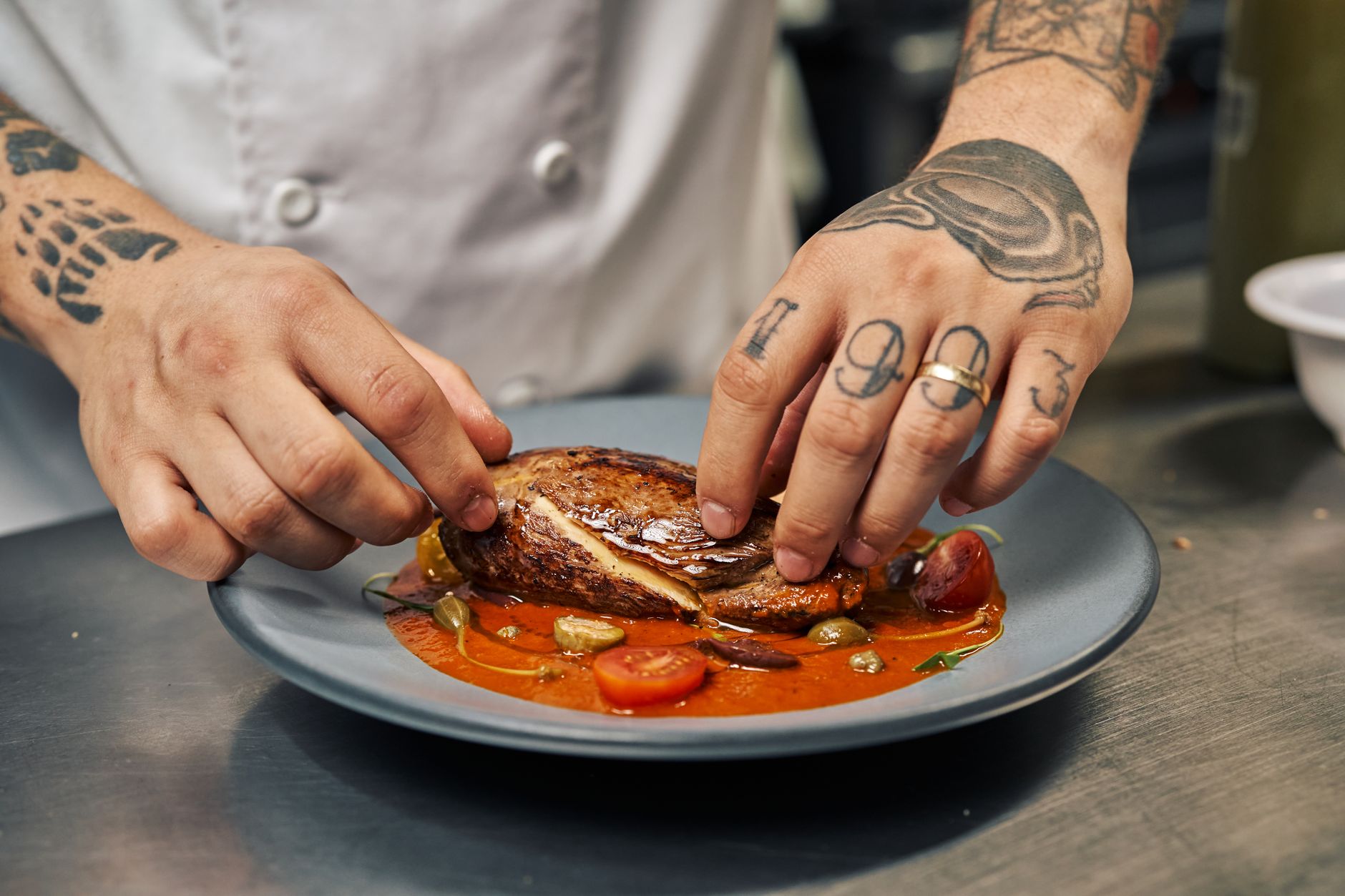
The single biggest lever isn't targeting: it's the creative. A blurry phone photo of a plate loses to a well-lit video of food being plated almost every time. You don't need a production crew:
- Video beats static photos for reach and watch time: a 10-second clip of a dish being plated or a drink being poured performs better than a still photo of the finished product.
- Show the room, not just the food. People deciding where to eat want to know what walking in feels like, a quick pan of a full dining room on a Friday night tells them more than another food close-up.
- Real staff, real moments. A short clip of the actual chef or server beats stock-style perfection; it reads as authentic, which local audiences respond to more than polish.
- Rotate creative every 1–2 weeks. The same ad shown to the same local audience for a month starts getting ignored: fatigue sets in fast in a smaller city with a smaller audience pool.
Budget and Timing: Running Meta Ads Around Sault Ste. Marie's Seasons
Sault Ste. Marie has real seasonal swings: summer tourist traffic, a slower shoulder season, and a different rhythm around winter events. Budget should flex with it, not stay flat all year.
A reasonable starting point for a single-location restaurant is $10–20/day, split roughly 70/30 between the local always-on campaign and the seasonal visitor campaign when tourism picks up. Scale up during high-traffic weeks (long weekends, local festivals, the peak of the summer season) and scale back during genuinely slow stretches rather than spending the same amount regardless of demand.
Meta Ads for Restaurants in Sault Ste. Marie: Results You Should Actually Expect
Meta ads won't fill an empty restaurant overnight, and any agency promising that isn't being straight with you. What a well-run campaign actually does: more people recognizing your name when deciding where to eat that night, more foot traffic on the specific nights or hours you're targeting, and a measurable lift in the slow periods you're actually trying to fix.
If you're weighing organic content against paid, our piece on social media for restaurants in Mississauga covers the organic side of the same problem, and the two work best together rather than as a choice between them. Restaurants sit inside the local storefront work we handle most, and the setup above is close to what we'd build for a café or a salon in a similar-sized city; the creative changes, the structure doesn't.