
What Med Care Marketing Actually Means for a Clinic
Forget the agency jargon. For a medical practice, med care marketing breaks into three jobs:
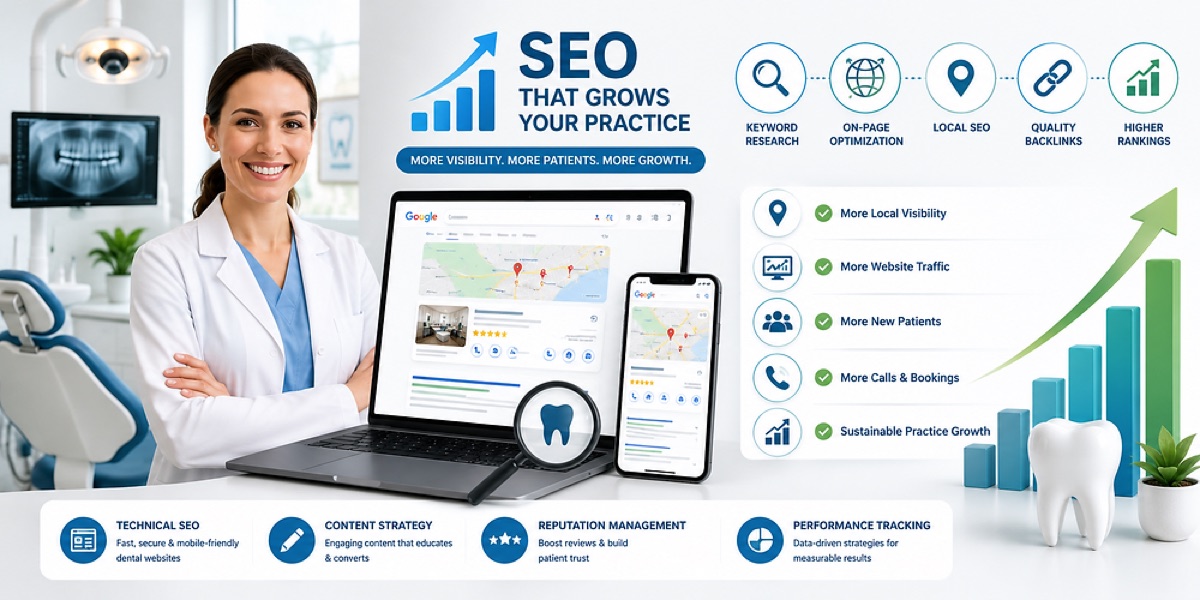
- Getting found — local search, Google Business Profile, directory listings.
- Getting believed — reviews, a website that doesn't look abandoned, and clear information about what you treat and who you accept.
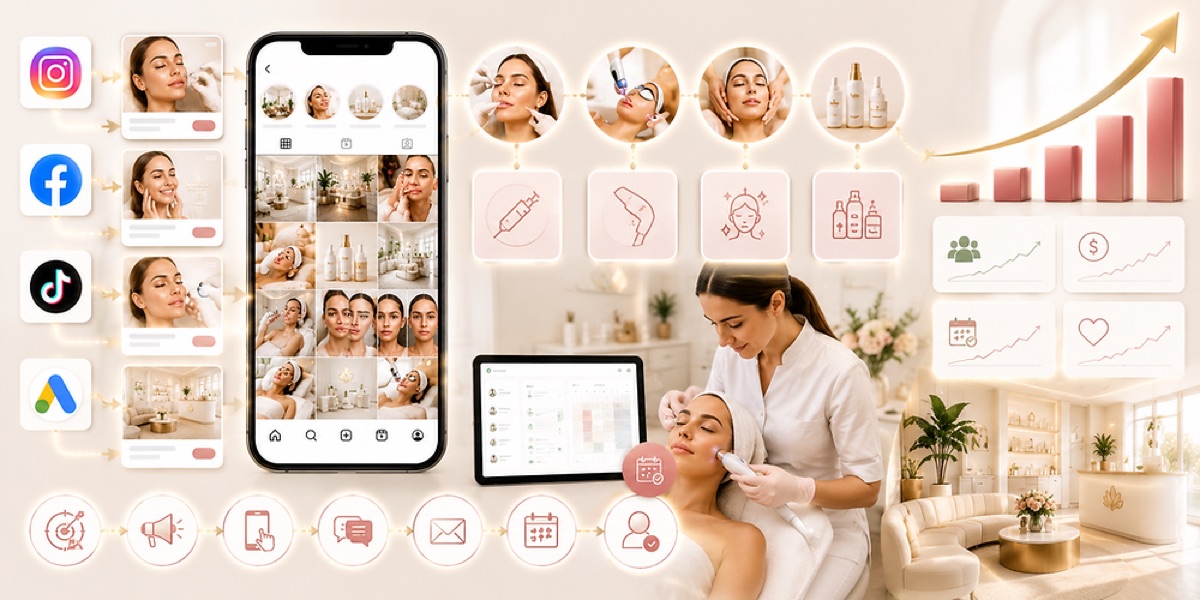
- Getting booked, then kept — an intake process that doesn't lose the patient between "I called" and "I have an appointment," plus enough follow-up that they come back and refer people.
Most clinics are decent at #2 once someone actually lands on the site. They lose the fight at #1 (invisible in search) and #3 (no follow-up system, no review request, no reason for a patient to come back sooner than symptoms force them to).
Get Found: Local SEO and Google Business Profile for Medical Practices

Healthcare searches are overwhelmingly local and overwhelmingly immediate — "near me," "accepting new patients," "open now." That means your Google Business Profile matters more to a first-time patient than your homepage does.
A profile that's actually maintained, not just claimed, does four things:
- Correct hours, phone number, and accepted-insurance info kept current — nothing kills conversion faster than a patient showing up to a locked door.
- Weekly posts or updates (a new service, holiday hours, a new provider) — Google rewards activity with visibility.
- Every service listed as its own category or attribute, not buried in a paragraph on the website.
- Photos of the real space, not stock art — patients choosing a clinic want to see the waiting room before they sit in it.
On the website side, build one page per service or condition you treat — a physiotherapy clinic with separate pages for sports injuries, post-surgical rehab, and chronic pain will out-rank a single generic "our services" page every time. And make sure the contact page states plainly how to book: phone, online form, or walk-in hours. Ambiguity here is exactly where a prospective patient quietly leaves for a competitor.
Build Trust Before the First Appointment
Nobody books a medical appointment on impulse the way they'd order takeout. Trust has to exist before the click happens. Three things build it fast:
- Reviews, requested systematically. Not begged for — requested, at a specific moment (right after a good visit, via a text link), every single time. A clinic with 40 recent reviews beats a competitor with 4, even if that competitor has been open longer.
- A real "meet the team" page with actual credentials, not a generic stock-photo grid. Say a small family practice in a growing suburb adds real headshots, years of experience, and what each provider specializes in — that page quietly becomes one of the highest-converting pages on the site, because patients are choosing a person, not a logo.
- Content that answers the question they're already anxious about. "What should I expect at my first visit," "do you accept my insurance," "how soon can I be seen" — write these down plainly. Anxiety, not curiosity, drives most healthcare searches, so answer it directly instead of dancing around it.
Turn New Patients Into Referral Sources
A national survey by the Center for Studying Health System Change found that half of consumers rely on word-of-mouth recommendations from friends and family when choosing a new primary care physician — which makes what happens after a good visit just as important as the visit itself.
A patient who had a good experience and never hears from you again is a wasted asset. A simple follow-up sequence — a same-day thank-you text, a review request three days later, a light check-in when they're due for a follow-up visit — turns a one-time visit into a returning patient and, eventually, a referral source. This doesn't need a call center. It needs a CRM set up once to fire these automatically, so no patient falls through the cracks between visits.
That's the difference between marketing that fills a schedule once and a system that keeps filling it. For practices without the internal bandwidth to build and run that follow-up system themselves, that's exactly the kind of work NewLife's Health, Fitness & Wellness team handles — practical booking and follow-up systems, not just ad spend.