
Step 1 of 5
Audit
Before anything is changed, we read what the account has actually been paying for. On a neglected account this one report explains most of the waste, and it is free to read.
 5.0 Google rating
Google Ads Management In Windsor
Windsor PPC Agency work is a short list of things the account genuinely controls and a much longer list of things it is routinely blamed for.
Trusted by Ontario businesses












On this page
The whole scope, in the order it is explained below.
What the job is now
Statistics Canada, 2021 Census of Population
Manual bidding on individual keywords is largely gone. What remains under human control is the boundary: where the campaign may spend, what it counts as success, what it is forbidden from touching, and what data it learns from.
Those four are worth more than any bid adjustment ever was, and they are also the four most likely to be left at their defaults, because nothing in a monthly report draws attention to them.
A supplier who opens with a media budget rather than with those two observations is quoting a fee rather than proposing a plan.
People are searching for this by name, and the honest answer is that automation makes the inputs matter more, not less.
An automated campaign optimises toward whatever you tell it success looks like. If the conversion it is learning from is a page view, it will reliably find people who view pages. If it is a genuine enquiry with a value attached, it finds something much more useful.
So the first requirement of any AI-driven Google Ads setup is clean conversion data: enquiries that are actually recorded, with the rubbish ones excluded, and ideally a value on each. Without that the system is efficient at the wrong thing, confidently.
The second is a boundary that is enforced rather than suggested. Left to choose their own placements, audiences and geography, these campaign types find the cheapest impressions available, and cheap impressions are cheap for a reason.
The third is exclusions, maintained. A list of placements, search terms and audiences the campaign may not touch, growing every month from what the reports show. That list is the single most valuable document in a modern account.
Used with those three, automation outperforms what manual bidding achieved. Used as a substitute for them, it produces a confident report describing activity nobody chose.
What people actually typed rather than what you asked for. It is the most useful document in the account and the one least often opened.
Negative keywords, excluded placements and excluded audiences, growing every month. Cumulative, and an account two years old without them has been paying for the same waste since launch.
Checked quarterly against where paying customers actually were. In a corridor where buyers shop across cities, a drifting boundary is expensive quickly.
What has to happen for somebody to contact you between reports. Without one, the first anybody hears of a problem is a month after it started.
Ask what happens in the weeks when nothing needs changing. The answer tells you whether you are buying work or availability.
What automation needs
The settings that work for a large account actively harm a small one.
Automatic bidding strategies work by finding patterns in what converted. Below roughly thirty conversions a month there is not enough signal to find a pattern, and the system behaves erratically while it tries.
Small accounts switched to automated bidding therefore often get worse before they get anywhere, and the usual response is to switch again, which restarts the learning period and makes everything worse still.
So the order matters: manual or semi-manual control until the volume is there, then one change, then a month of leaving it alone. Every change resets the clock.
And feed it the right signal. An automated strategy optimising toward a conversion that is not worth anything will find a great deal of it, efficiently, at considerable expense.
What moves the cost
Automation has not changed where most of the waste is.
Advertising magnifies whatever the page already does. A slow page, a buried phone number or a form that goes to somebody who has left will cost more than any campaign setting recovers, and none of those appear in the platform’s reporting.
Test it the way a customer does: open the page on a phone away from the office, time how long before anything is readable, try to call without pinching or scrolling, submit the form and check it arrives somewhere a person reads.
Ten minutes, and it catches most of what a campaign would otherwise pay to discover slowly over a quarter.
Retargeting is the other thing worth more than a bidding change. The audience has already visited and demonstrated interest, reaching them again costs a fraction of reaching a stranger, and in the small accounts we are shown it is the most common thing missing entirely.
It also deserves one decision rather than a default. How long somebody stays in the audience after visiting should follow your buying cycle, not the platform’s suggestion: a trade where people decide in an afternoon and a supplier whose customers take three months to specify a job should not be using the same window, and almost every account we open is using whatever was offered when it was created.
Our scope
Stated plainly, because the fee structure changes the advice you get.
We build and run Google and Meta accounts against cost per enquiry, write the pages the ads point at, and set up the tracking that connects an enquiry to its source. We manage over $70,000 a month in advertising spend for Ontario businesses and the owner runs the paid media personally.
As a windsor ppc agency we state what happens weekly, what happens monthly, what triggers a call between reports, and what the account would be handed back as if you left. Those four lines are the whole of what management means, and writing them down costs nothing.
We do not sell percentage-of-spend management, because it pays us to recommend the opposite of what a well-run account usually needs. We are in Minesing, which changes nothing for running an account and matters only for filming.
The media budget, which goes to Google, and the management fee, which goes to the agency. A single number a month tells you neither, and an agency taking a percentage of spend is paid more for spending more. Ask for both figures in writing, ask what happens to the account if you leave, and ask whose name it is in.
Next step
If the answer is a page view, the system is being efficient at the wrong thing. Send us access and we will tell you what it is learning from.
NewLife Marketing · 70 Bearberry Rd, Minesing, ON L9X 2E1 · 705-302-1097 · Based in Minesing, running paid media for businesses across southwestern Ontario.
How it works
Five steps, and the first one costs nothing but reading.
Step 1 of 5
Before anything is changed, we read what the account has actually been paying for. On a neglected account this one report explains most of the waste, and it is free to read.
Step 2 of 5
Campaigns split so that a budget decision is possible: by what you sell, by what it is worth, and by where it is worth it. An account that cannot be turned down in one place cannot be managed.
Step 3 of 5
A conversion is a booked job or a sale, not a click on a phone number. Tracking is verified against what the business actually received before a single bid is changed.
Step 4 of 5
Starting on the searches with the clearest intent and the tightest match, then widening deliberately once there is evidence rather than hope.
Step 5 of 5
Every search term the account paid for, read weekly and sorted: promote it, block it, or leave it. This is most of what separates an account that improves from one that drifts.
Proof first
Every number on this site came from paid media or production work, with the client named. There is no traffic graph here and you should be wary of them elsewhere.
A Portuguese grill that came to us with almost no online presence.
Read the case study →Named clients, real figures, and what each one was spending.
See all case studies →That account was not run in Windsor, and we are not going to imply otherwise. It is published, named and checkable, which is more than a logo wall offers. Ask any agency you shortlist for the cost per booked job before and after, and ask who counted it.
The person on your account
Founder & CEO · Head of Operations & Paid Media — NewLife Marketing
Runs your strategy call, builds and manages your paid media accounts personally, and owns the monthly numbers you will be shown. On your calls you talk to Cruz or Keegan: never a rep.
Straight answers
Straight answers before you ever book a call.
It means different management. The platforms set most bids now, so the work that decides the outcome is what constrains them: clean conversion data with values attached, an enforced geography, and maintained exclusions. Automation used as a substitute for those three produces a confident report describing activity nobody chose.
The search terms report read, exclusions maintained from it, the geography reviewed quarterly against where paying customers were, and a named trigger for contacting you between reports. Ask what happens in the weeks when nothing needs changing — that answer tells you whether you are buying work or availability.
For specific jobs, yes; as a permanent presence, often not. The unpaid positions here are cheap, which makes renting the same visibility every month a strange purchase. A budget earns its place answering a question in a fortnight, covering what the map will not, and retargeting people who already visited.
The landing page, almost always, and automation has not changed that. Open it on a phone away from the office, time how long before anything is readable, try to call without pinching, and check the form actually arrives somewhere a person reads. Ten minutes, and it catches most of the waste.
Why NewLife
Everything we do runs on one system we call The Film-to-Funnel System: in-house film → paid ads → landing page → CRM follow-up → optimize. Here is how that stacks up against doing it yourself or hiring a typical agency.
| In-house | Typical agency | NewLife | |
|---|---|---|---|
| Creative | You film it on a phone | Outsourced or stock footage | Our in-house cinema crew, filmed on-site |
| Who does the work | You, between running the business | A junior account manager | Cruz and the senior team, directly |
| The system | Disconnected tools that don't talk | Ads, then hands-off | Film → ads → landing page → CRM, one connected system |
| Your accounts & data | Yours, but no time to run them | Often held hostage | Always yours - you keep everything |
| Follow-up | Manual, when you remember | Rarely their problem | Automated speed-to-lead in the CRM |
| Local knowledge | You know your market | A national, generic playbook | Real local research for every market you target |
Where to go next
Come say hi
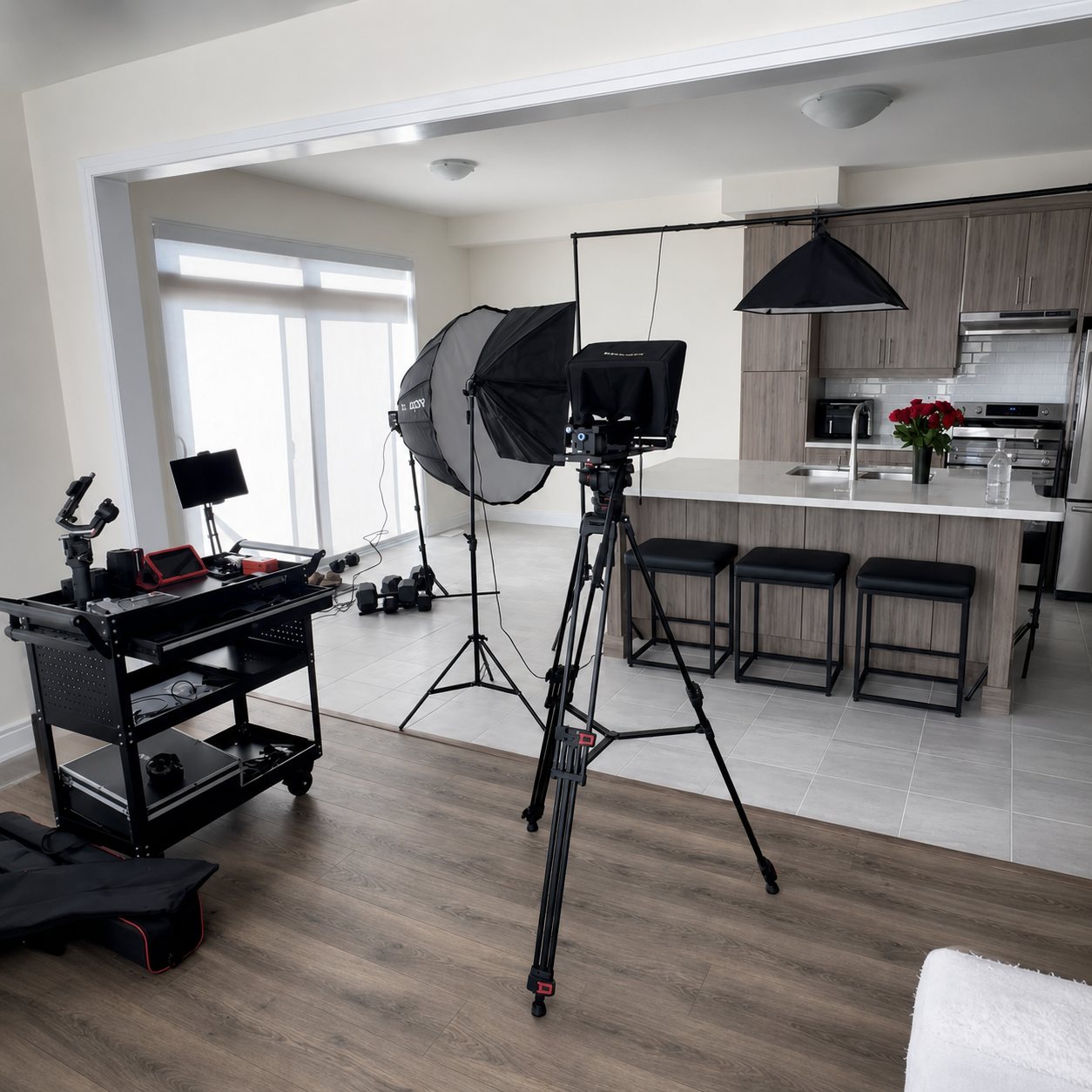
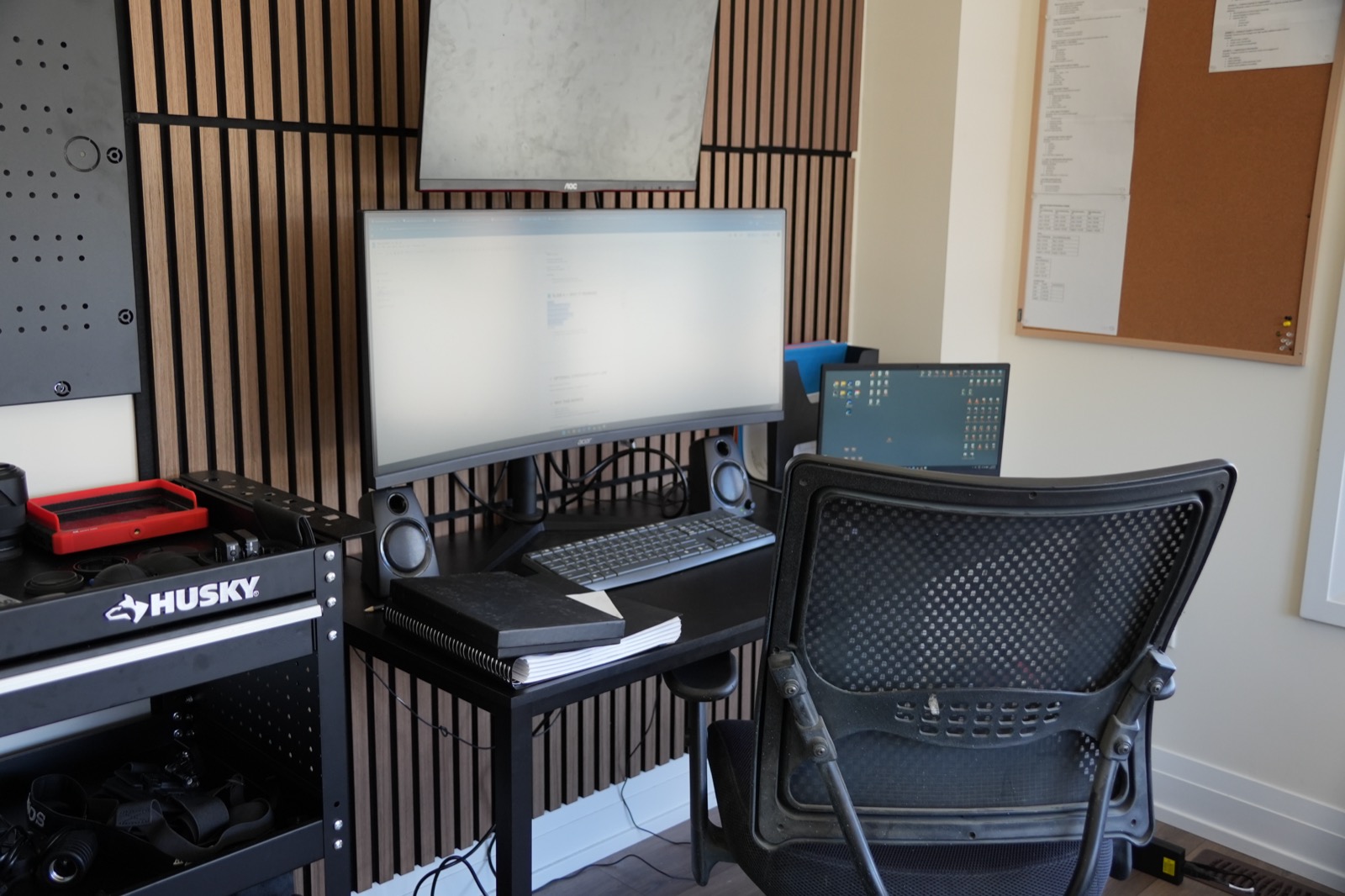
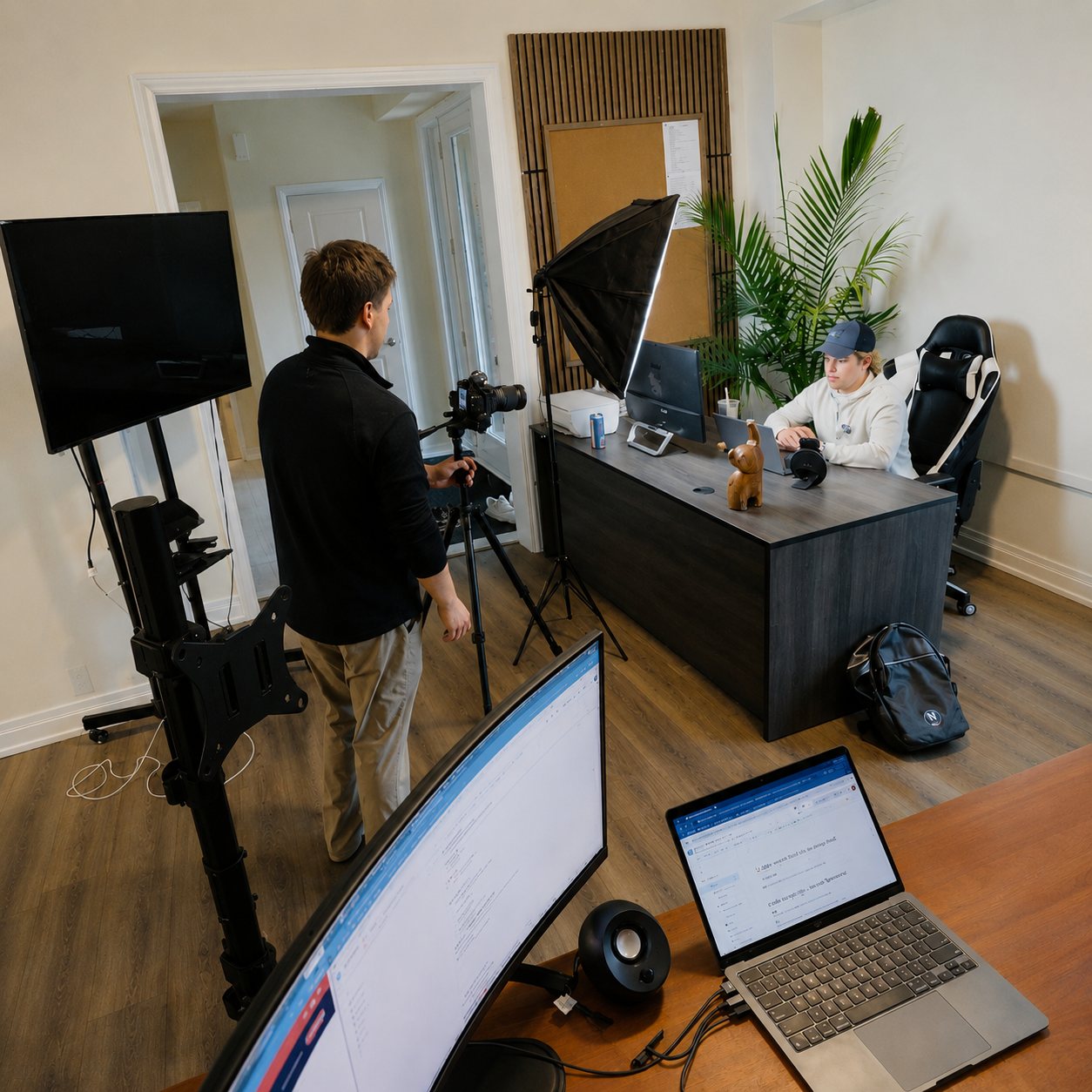
The office and the studio are in Minesing, just west of Barrie. Come and sit in it, see what is actually on the screens, and ask the person who would be on your account what they would do first.

 The office
5.0 ★ on Google
5.0Google rating“Working with NewLife Marketing has been a great experience. Their team has travelled to our locations to film professional content and turn it into Meta ad campaigns focused on generating real leads for our stores. The campaigns have been profitable, the communication has been consistent, and they’re always looking for ways to improve performance and bring us more opportunities. It’s been great having a marketing team that’s willing to show up, understand our business, and put in the work. We’d highly recommend NewLife Marketing to any business looking to grow through digital advertising.”
Last step
You will talk to Cruz or Keegan, not a sales rep. If the honest answer is that you do not need us yet, that is what you will hear, and you keep the plan either way.