
Step 1 of 5
Scope
Before a date is booked: what the footage has to do, where it will be used, and how long it has to stay usable. A shoot with no answer to that produces something nice and unusable.
 5.0 Google rating
Video Production In Waterloo
Video Production Waterloo often has to film software, which has no physical form at all, and that changes almost everything about how a day is planned.
Trusted by Ontario businesses












On this page
The whole scope, in the order it is explained below.
The subject problem
The default solutions are a screen recording and an office montage, and both fail for the same reason.
University of Waterloo, Co-operative Education
Statistics Canada, 2021 Census of Population
A screen recording with a voice over it shows the interface and not the problem, which means it only makes sense to somebody who already understands why they would want it. An office montage — people laughing at a whiteboard, a hand moving a sticky note — shows nothing at all and is interchangeable with every other company’s.
What works instead is filming the situation the software removes. The spreadsheet being reconciled at eight in the evening, the clipboard on the loading dock, the phone call to find out where something is. Those have physical form, they are recognisable, and they are the reason anybody buys.
That is a harder brief and it is why video production waterloo work for a technology company should start with a conversation about the customer rather than about the product.
What to make
Each does a job that written material does badly, which is the only test worth applying.
Ninety seconds of the mess your product replaces, shot in a real workplace that has it. It is the hardest to arrange and the only piece that makes a stranger care, because it is the first thing they recognise.
Not a founder reciting benefits. An engineer explaining why something works the way it does. In a technically literate market this is far more persuasive than polish, and it is cheap to shoot.
Specific, with a number if they will give one. This is the hardest to get and the most valuable, and the limiting factor is almost always permission rather than production.
A product demonstration belongs on the site as well, and it is a screen recording rather than a production. Treating it as a film is how a demonstration ends up costing a week and still needing to be remade when the interface changes.
The permission problem
In this market the constraint is rarely the camera. It is whose building you are standing in.
Filming the problem means filming at a customer’s site, which means their permission, their safety rules and their view on whether a competitor might recognise the room. Filming the customer saying what changed means a legal review at their end, not yours.
Both are obtainable and both take weeks rather than days, which is the thing that wrecks timelines. A production schedule that assumes a shoot date without having started those conversations is a schedule that will move.
So the practical order is: ask for permission first, book a crew second. It inverts how these projects are usually run and it is the single largest determinant of whether the good version gets made or the office montage gets made instead.
Where permission genuinely cannot be obtained, say so early and make the second-best thing deliberately, rather than discovering it on the day.
Recording a screen
Most of the material is a recording rather than a shoot, and it has its own problems.
Record at a size that stays readable when the film is watched on a phone, which usually means zooming into the part that matters rather than showing the whole interface.
Use real-looking data. A demonstration full of test entries and placeholder names undermines everything around it, and preparing a believable account takes an hour that nobody schedules.
Record the narration separately and lay it over the picture. Talking while operating produces pauses, mistakes and a mouse that wanders, and it is the reason most software demonstrations are painful to watch.
And expect to redo it. Interfaces change, and a demonstration film has a shorter life than anything shot in the physical world — which is an argument for keeping it simple rather than for not making it.
Simple also means short. Three two-minute pieces, each covering one task, survive an interface change far better than one twelve-minute tour, because only the affected piece has to be remade.
Drawn rather than filmed
For some subjects there is nothing to point a camera at, and pretending otherwise is expensive.
A process that happens inside a system, a concept, a comparison, anything with no physical form — filming those produces stock footage of people at laptops, which says nothing and costs real money.
Simple animation is better and often cheaper: text, shapes, a diagram that builds. It also updates easily, which filmed material does not.
The trap is ambition. Elaborate character animation is a long, expensive craft; a clear diagram with a voice over it is a week and does the job for almost every business purpose.
Mix the two where it helps. A film with real people at either end and a built diagram in the middle covers the explanation without asking a camera to do something it cannot.
Decide which half you are buying before approaching anybody, because they are different trades. A crew and an animator are rarely the same people, and a supplier who offers both should be asked which one is in-house.
Our part
The reason we do both is that footage sitting on a website is a cost rather than an asset.
We film, cut for placement, and run the paid distribution where there is a case for it. We manage over $70,000 a month in advertising spend for Ontario businesses and the owner runs the paid media personally.
Video Production Waterloo work for a software company should begin with a list of customers who might let you film, because that list decides what is possible and takes the longest to turn into a yes. Everything else can be scheduled around it.
We are based in Minesing rather than Waterloo, so filming here involves travel, which we price as its own line. Where what you need is a screen-recorded product demonstration and nothing else, that is a task rather than a production and you should not pay production rates for it.
The shoot, which is days you can count, from the edit, which is where most of the hours actually go, from versioning, which is what decides whether the material gets used anywhere. Ask how many finished pieces, in what lengths and shapes, how many rounds of changes are included, who owns the raw footage afterwards, and what it costs to have something recut in a year.
Next step
That list is the brief. Send it and we will tell you what is possible and in what order.
NewLife Marketing · 70 Bearberry Rd, Minesing, ON L9X 2E1 · 705-302-1097 · Based in Minesing, filming across Ontario including Waterloo.
How it works
Five steps, and the first one is a question rather than a booking.
Step 1 of 5
Before a date is booked: what the footage has to do, where it will be used, and how long it has to stay usable. A shoot with no answer to that produces something nice and unusable.
Step 2 of 5
Every shot written down before anybody arrives, in the order it will be filmed, with what has to be in frame. This is what turns one day on site into a month of material rather than four clips.
Step 3 of 5
Pre-light, principal photography, b-roll, a stills pass, and wrap. Our crew and our own kit, so the day does not stop because something was rented and did not arrive.
Step 4 of 5
Then motion graphics and versioning: the same material cut for paid ads, organic social, the website, email and a sales deck, because each of those wants a different length.
Step 5 of 5
Footage that sits in a folder cost the same as footage that works. The versioning is what decides which one you bought.
Proof first
Every number published on this site came from paid media or production work, with the client named on it.
A storm drainage build with around forty trades working around us.
Read the case study →One of fourteen published client partnerships.
See the partnership →Named clients, real figures, and what each one was spending.
See all case studies →Neither of those was filmed in Waterloo, and we are not going to imply otherwise. They are published, named and checkable, which is more than a showreel offers. Ask any crew you shortlist what the footage was used for afterwards, and whether anybody counted it.
The person on your account
Creative Director — NewLife Marketing
Writes the scripts and the plan before anyone picks up a camera, directs your shoot on the day, and project-manages the work across the team so what was promised is what ships.
Straight answers
Straight answers before you ever book a call.
A screen recording is the right tool for showing an interface and it is a task rather than a production. What is worth filming is the situation your software removes, which has physical form and is the thing a stranger recognises. Most of the value in a technology video sits outside the screen.
Permission is the limiting factor, not production. Filming at a customer site or recording a customer saying what changed involves their approval and frequently their legal review, which takes weeks. Start those conversations before booking a crew; a schedule that assumes a shoot date without them will move.
Sometimes, and in this market an engineer explaining a decision is usually more persuasive than a founder reciting benefits. A technically literate audience discounts polish and rewards somebody who clearly understands the thing. It is also easier to film, because the person is talking about work they do rather than a script.
Agree it in writing before anybody films, and be specific: the finished pieces, the raw footage and the right to use both in advertising are three separate things. Take the raw files on your own storage at handover. Owning enough to re-cut next year without a second shoot is most of what makes the first one pay.
Why NewLife
Everything we do runs on one system we call The Film-to-Funnel System: in-house film → paid ads → landing page → CRM follow-up → optimize. Here is how that stacks up against doing it yourself or hiring a typical agency.
| In-house | Typical agency | NewLife | |
|---|---|---|---|
| Creative | You film it on a phone | Outsourced or stock footage | Our in-house cinema crew, filmed on-site |
| Who does the work | You, between running the business | A junior account manager | Cruz and the senior team, directly |
| The system | Disconnected tools that don't talk | Ads, then hands-off | Film → ads → landing page → CRM, one connected system |
| Your accounts & data | Yours, but no time to run them | Often held hostage | Always yours - you keep everything |
| Follow-up | Manual, when you remember | Rarely their problem | Automated speed-to-lead in the CRM |
| Local knowledge | You know your market | A national, generic playbook | Real local research for every market you target |
Where to go next
Come say hi
The office and the studio are in Minesing, just west of Barrie. Come and sit in it, see what is actually on the screens, and ask the person who would be on your account what they would do first.
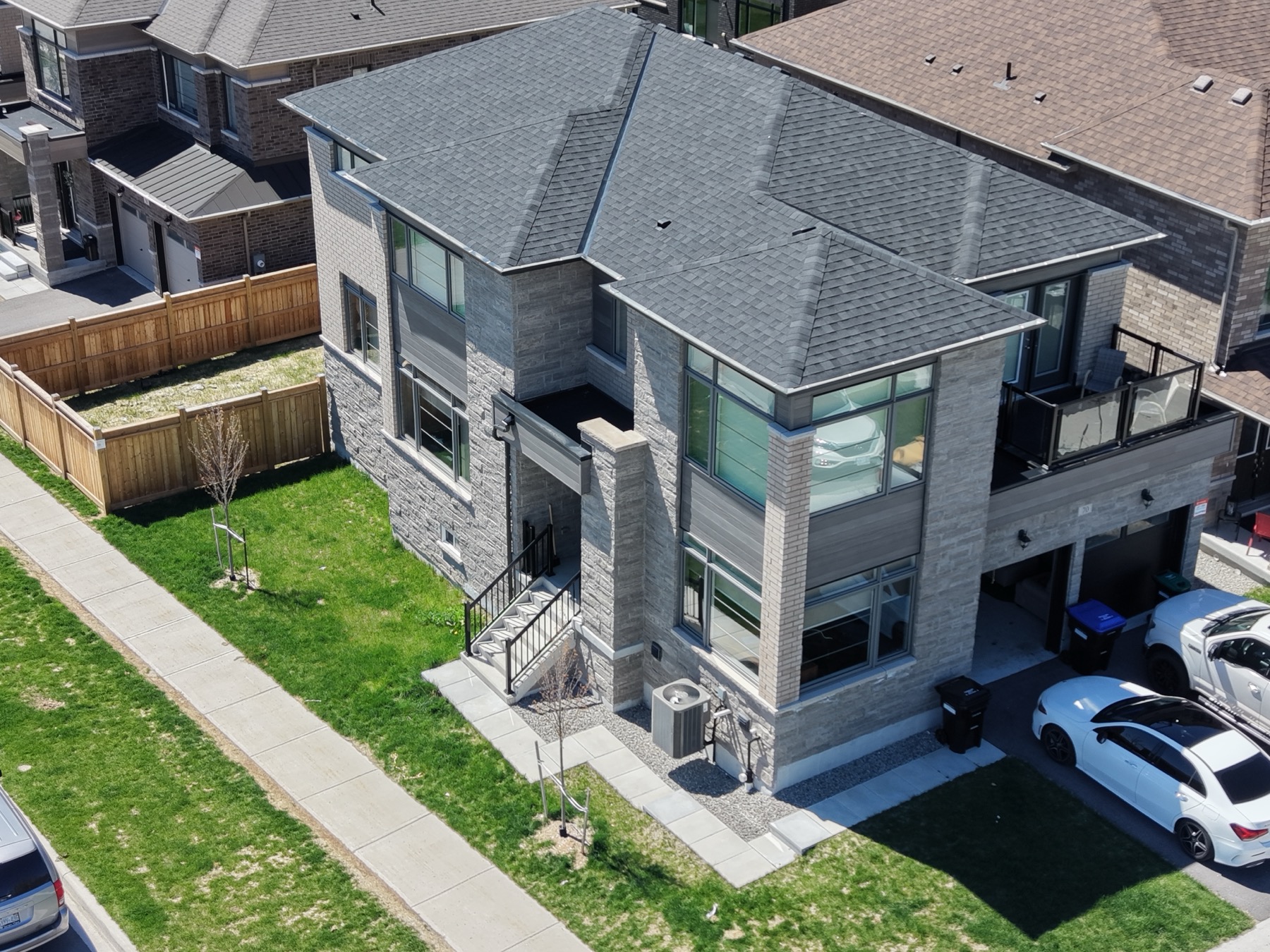
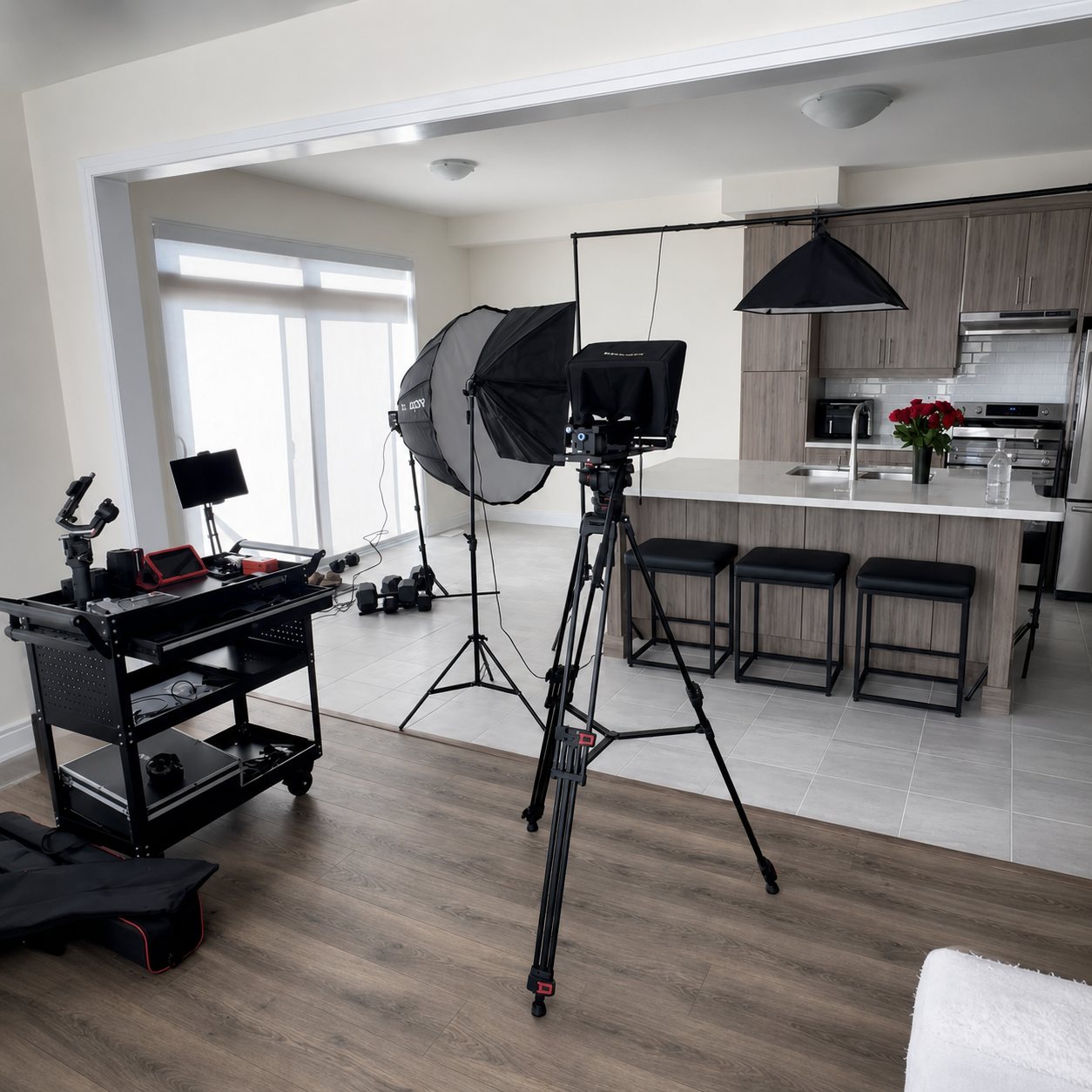
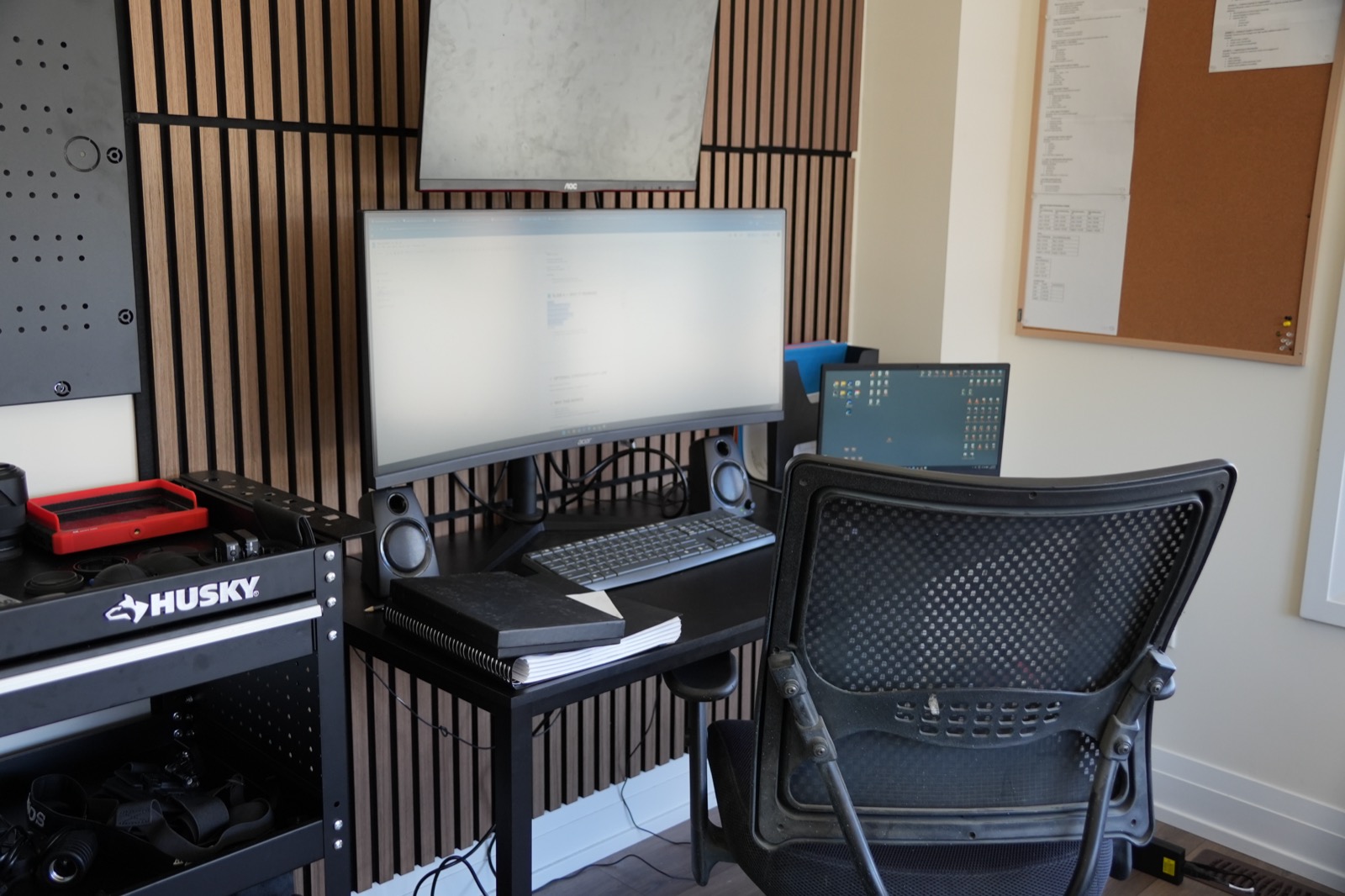
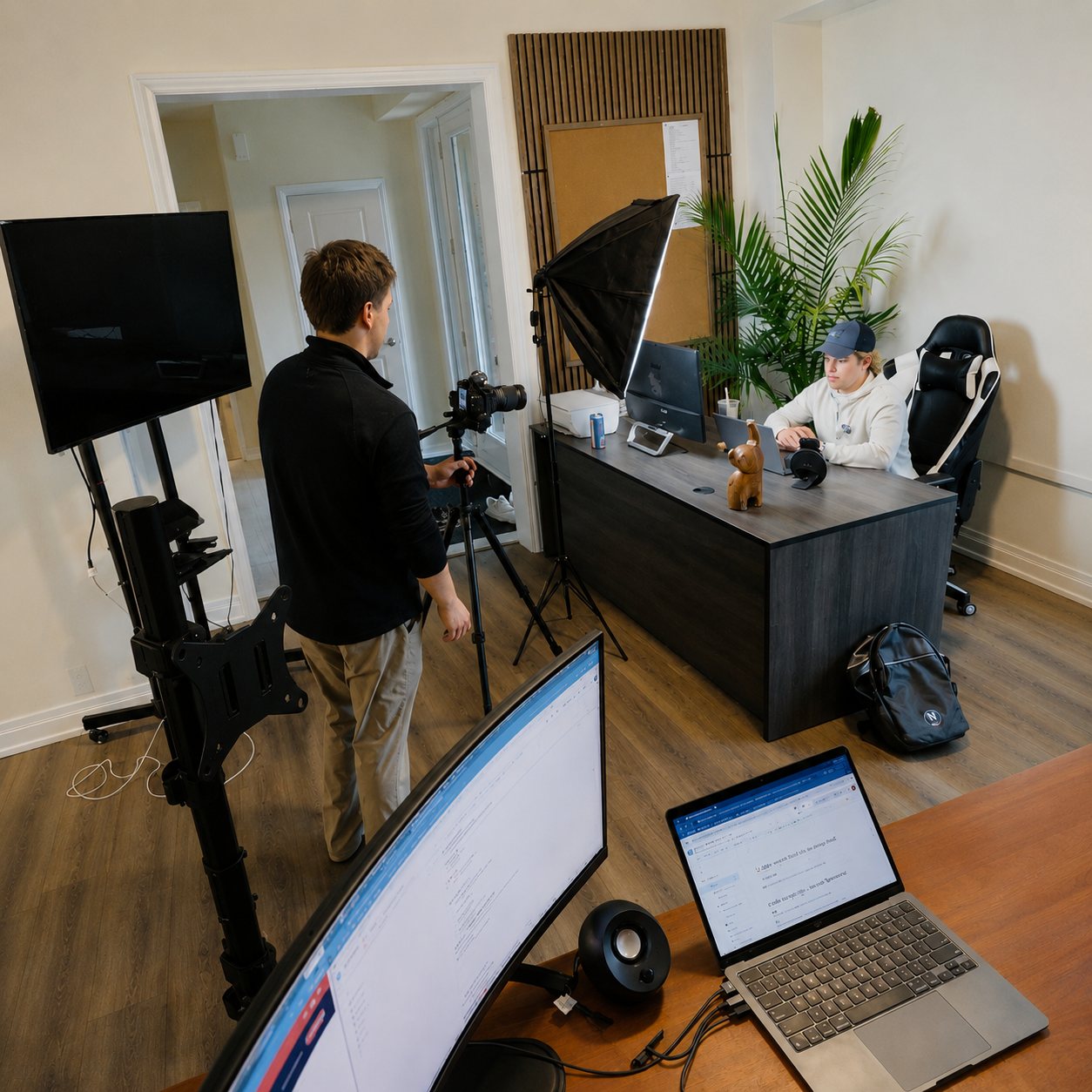 The office
5.0 ★ on Google
5.0Google rating“Working with NewLife Marketing has been a great experience. Their team has travelled to our locations to film professional content and turn it into Meta ad campaigns focused on generating real leads for our stores. The campaigns have been profitable, the communication has been consistent, and they’re always looking for ways to improve performance and bring us more opportunities. It’s been great having a marketing team that’s willing to show up, understand our business, and put in the work. We’d highly recommend NewLife Marketing to any business looking to grow through digital advertising.”
Last step
You will talk to Cruz or Keegan, not a sales rep. If the honest answer is that you do not need us yet, that is what you will hear, and you keep the plan either way.