
Step 1 of 5
Scope
Before a date is booked: what the footage has to do, where it will be used, and how long it has to stay usable. A shoot with no answer to that produces something nice and unusable.
 5.0 Google rating
Video Production In Peterborough
Video Production Peterborough runs on a season that is published in advance, which makes the shot list a scheduling document rather than a creative one.
Trusted by Ontario businesses












On this page
The whole scope, in the order it is explained below.
The calendar
Victoria Day to Thanksgiving, and in 2026 that meant 15 May to 12 October.
Parks Canada, Trent-Severn Waterway National Historic Site
Parks Canada, Trent-Severn Waterway 2026 hours of operation
Statistics Canada, 2021 Census of Population
Five months. Outside them the locks are closed and not maintained, the water traffic is gone, and the shots that make this part of Ontario look like itself are simply unavailable until the following May.
Most businesses discover this in February, when somebody asks for a summer film for a spring campaign and the answer is that the footage does not exist and cannot be made for three months.
The fix is a calendar rather than a budget. Decide in winter what next season has to produce, book the days against the season rather than against a quarter, and film the summer material while the summer is happening.
It is the rare planning problem with a published answer: the opening and closing dates are posted by Parks Canada well before anybody needs them.
What one day should produce
Once a crew is standing in your building, another setup costs minutes.
The job going in, the machine running, the finished result. The only footage a competitor cannot buy from the same stock library you can.
Each one on camera in ninety seconds. The most reused material a shoot produces, because it goes on the website, into email replies and into social for years.
Whatever only exists while the water is open. These are the ones that cannot be recovered in November, so they go first on the list, not last.
The unglamorous bank of detail shots and photographs that lets an editor build ten more pieces later without anybody booking another day.
Decide those in advance rather than on the morning. A crew improvising on a site it has never seen produces a good film and nothing else, and the second film is where the economics of a shooting day live.
How it is watched
A large share of views happen silently, and a film that depends on audio simply fails for those people.
Captions are not an accessibility afterthought; they are how most social viewing works. Without them a piece to camera is a person moving their mouth, and the viewer moves on within two seconds.
Which changes how the film is made rather than only how it is finished. The point has to be visible as well as audible: show the thing, put the key figure on screen, let the picture carry the argument.
Burn the captions into the picture for social use and supply a separate caption file for anywhere that accepts one. Both, because the platforms differ and the alternative is a film that works in one place.
Check them. Automatic captions mangle trade terms, place names and prices with great confidence, and an error in text on screen is more noticeable than the same error spoken.
Keep the lines short and leave them on screen long enough to read at a glance. Two lines at a time is the practical limit, and a caption that changes faster than somebody can read it is worse than none, because the viewer stops trying rather than catching up.
Permission
Dull, quick, and the thing that stops a finished film from being usable.
Anybody recognisable on camera should agree, in writing, that the footage can be used. A line on a sheet with a name and a date is enough for most purposes and it takes thirty seconds per person.
It matters most for the people least likely to be asked: a customer who happened to be there, a member of staff who has since left, a child in the background at a public event.
The same applies to the premises. Filming inside somebody else’s building needs their agreement, and a venue will often have its own form, which is worth asking about a week ahead rather than on the morning.
Keep the forms with the footage. Three years later, when a clip is wanted for something new, the question of whether it may be used is answerable in seconds or not at all.
Where somebody declines, that is the end of it, and it is worth saying so out loud before filming starts. People agree far more readily when refusing is visibly allowed, and a reluctant participant is poor material anyway.
The person on camera
A film built around one person has a lifespan tied to that person’s employment.
Owners are safe. Managers and front-of-house staff are not, and a library of films featuring somebody who left eighteen months ago is a library that has to be reshot or quietly retired.
So for anything intended to last, favour the work over the face: hands, process, finished results, voices over pictures rather than people addressing the lens.
Where a person genuinely is the proposition — and for a lot of small businesses they are — make it the owner, and accept that a staff film is a shorter-lived asset priced accordingly.
It is also a conversation to have with whoever is being filmed. Somebody who understands the footage may outlast their time at the company is giving more informed consent than somebody who does not.
Our scope
Narrow, and easier to say before a meeting than during one.
We film and edit for Ontario businesses and run the advertising the footage goes into, managing over $70,000 a month in spend with the owner on the media personally. The reason we do both is that a film nobody puts money behind is a cost rather than an asset.
We would ask what is only possible in a particular month and build the day around that, because video production peterborough work tied to a season has one date and no second attempt. Everything that can be filmed at any time gets scheduled around the thing that cannot.
We are not a local crew and would not pretend to be one. Where a job needs somebody who can appear at two days’ notice several times a year, a closer supplier is the better buy and we will say so on the first call.
The shoot, which is days you can count, from the edit, which is where most of the hours actually go, from versioning, which is what decides whether the material gets used anywhere. Ask how many finished pieces, in what lengths and shapes, how many rounds of changes are included, who owns the raw footage afterwards, and what it costs to have something recut in a year.
Next step
That list decides the booking. Send it and we will tell you what one day captures and when it has to happen.
NewLife Marketing · 70 Bearberry Rd, Minesing, ON L9X 2E1 · 705-302-1097 · Based in Minesing, filming for businesses across central and eastern Ontario.
How it works
Five steps, and the first one is a question rather than a booking.
Step 1 of 5
Before a date is booked: what the footage has to do, where it will be used, and how long it has to stay usable. A shoot with no answer to that produces something nice and unusable.
Step 2 of 5
Every shot written down before anybody arrives, in the order it will be filmed, with what has to be in frame. This is what turns one day on site into a month of material rather than four clips.
Step 3 of 5
Pre-light, principal photography, b-roll, a stills pass, and wrap. Our crew and our own kit, so the day does not stop because something was rented and did not arrive.
Step 4 of 5
Then motion graphics and versioning: the same material cut for paid ads, organic social, the website, email and a sales deck, because each of those wants a different length.
Step 5 of 5
Footage that sits in a folder cost the same as footage that works. The versioning is what decides which one you bought.
Proof first
Every number published on this site came from paid media or production work, with the client named on it.
A storm drainage build with around forty trades working around us.
Read the case study →One of fourteen published client partnerships.
See the partnership →Named clients, real figures, and what each one was spending.
See all case studies →Neither of those was filmed in Peterborough, and we are not going to imply otherwise. They are published, named and checkable, which is more than a showreel offers. Ask any crew you shortlist what the footage was used for afterwards, and whether anybody counted it.
The person on your account
Creative Director — NewLife Marketing
Writes the scripts and the plan before anyone picks up a camera, directs your shoot on the day, and project-manages the work across the team so what was promised is what ships.
Straight answers
Straight answers before you ever book a call.
Whatever is seasonal, while the season is open. Parks Canada ran the 2026 Trent-Severn navigation season from 15 May to 12 October, and outside those dates the water-side material simply does not exist. Interior and interview work can happen any month, so it fills the days around the shots that cannot wait.
Far more than most people ask for. Once a crew is standing in your building another setup costs minutes, so a planned day yields a main film, several short answers to common questions, a bank of cutaways and a set of photographs. An unplanned day yields one film at the price of a day.
Partly, and you should. A phone plus a clip microphone covers social posts, enquiry replies and anything unexpected. What it does not cover is lighting an interior, clean audio in a noisy room, or the deliberate piece at the top of a page. Do both and the months between shooting days stop being empty.
You should, and it is worth settling before the day rather than after. The rushes are the asset: holding them means a different editor can produce something new in three years without booking another day in a season that only lasts five months.
Why NewLife
Everything we do runs on one system we call The Film-to-Funnel System: in-house film → paid ads → landing page → CRM follow-up → optimize. Here is how that stacks up against doing it yourself or hiring a typical agency.
| In-house | Typical agency | NewLife | |
|---|---|---|---|
| Creative | You film it on a phone | Outsourced or stock footage | Our in-house cinema crew, filmed on-site |
| Who does the work | You, between running the business | A junior account manager | Cruz and the senior team, directly |
| The system | Disconnected tools that don't talk | Ads, then hands-off | Film → ads → landing page → CRM, one connected system |
| Your accounts & data | Yours, but no time to run them | Often held hostage | Always yours - you keep everything |
| Follow-up | Manual, when you remember | Rarely their problem | Automated speed-to-lead in the CRM |
| Local knowledge | You know your market | A national, generic playbook | Real local research for every market you target |
Where to go next
Come say hi
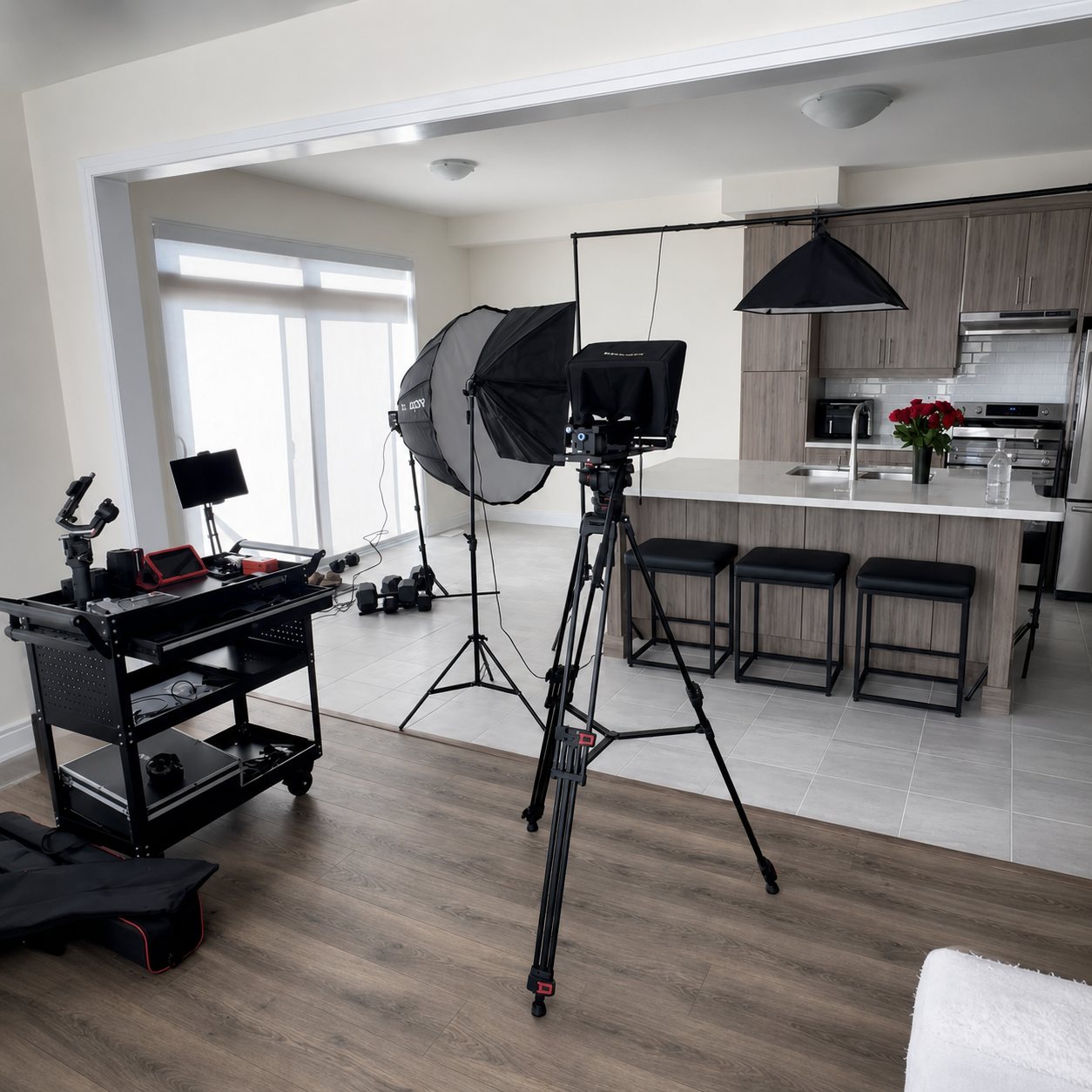
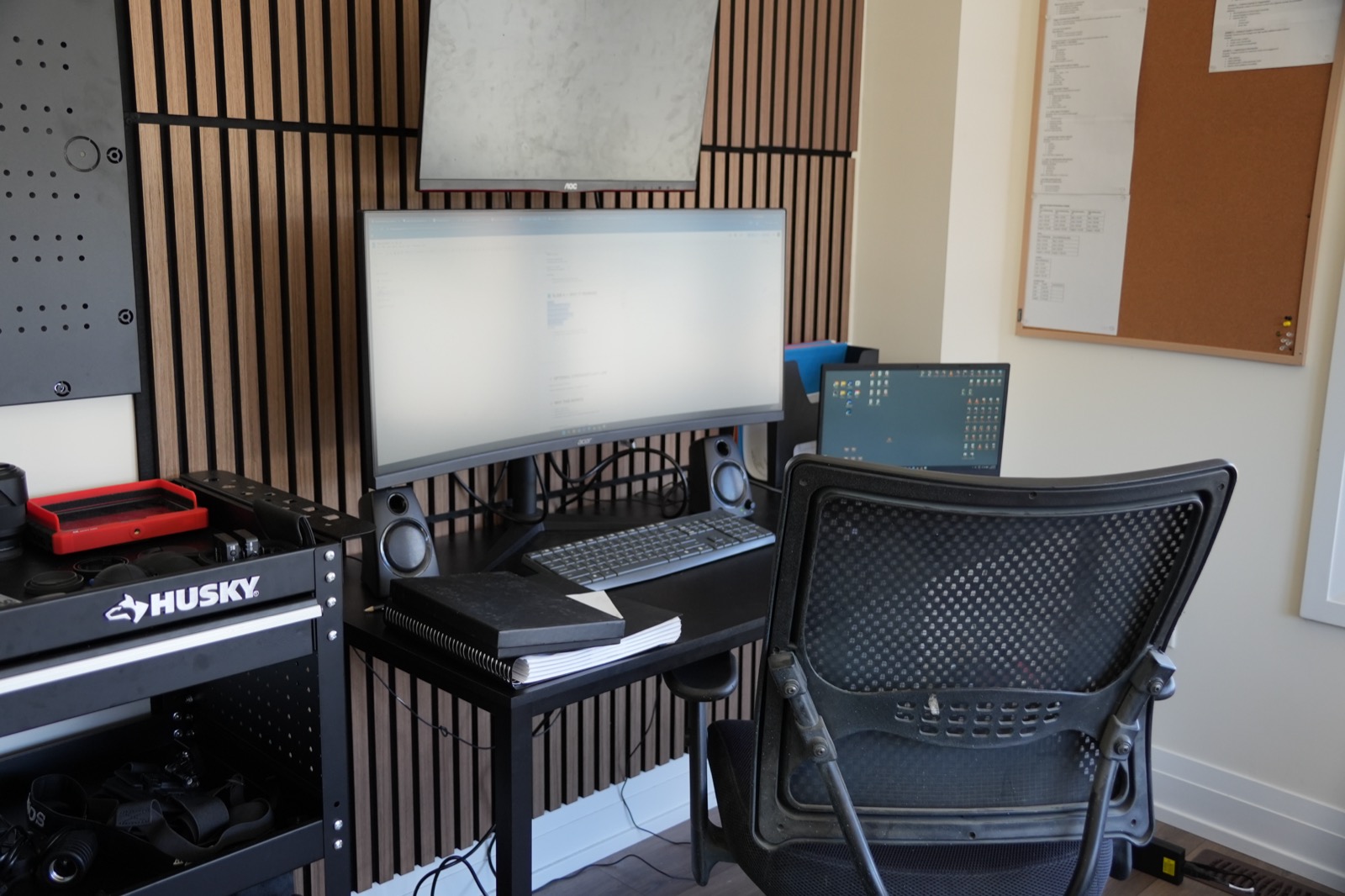
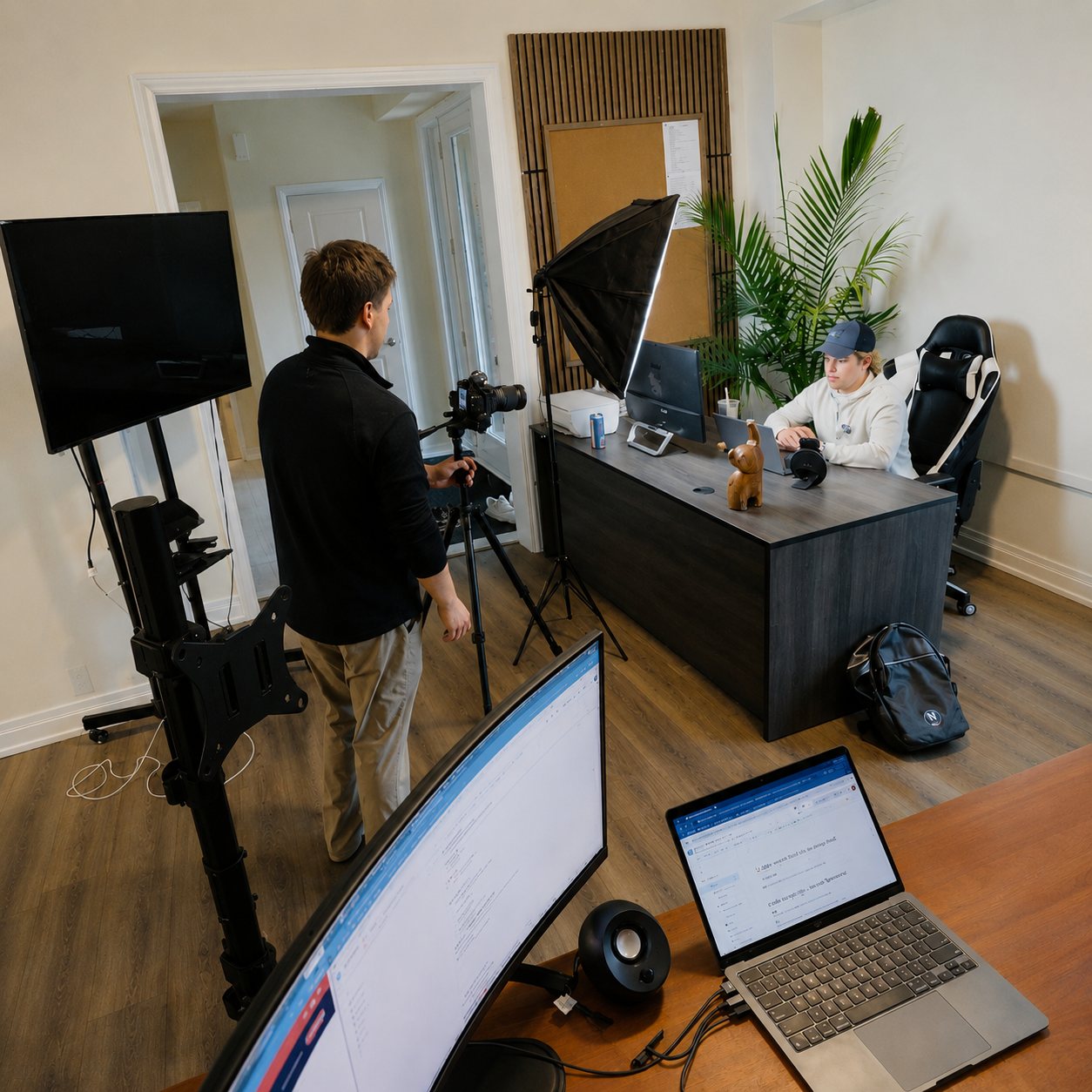
The office and the studio are in Minesing, just west of Barrie. Come and sit in it, see what is actually on the screens, and ask the person who would be on your account what they would do first.

 The office
5.0 ★ on Google
5.0Google rating“Working with NewLife Marketing has been a great experience. Their team has travelled to our locations to film professional content and turn it into Meta ad campaigns focused on generating real leads for our stores. The campaigns have been profitable, the communication has been consistent, and they’re always looking for ways to improve performance and bring us more opportunities. It’s been great having a marketing team that’s willing to show up, understand our business, and put in the work. We’d highly recommend NewLife Marketing to any business looking to grow through digital advertising.”
Last step
You will talk to Cruz or Keegan, not a sales rep. If the honest answer is that you do not need us yet, that is what you will hear, and you keep the plan either way.