
Step 1 of 5
Scope
Before a date is booked: what the footage has to do, where it will be used, and how long it has to stay usable. A shoot with no answer to that produces something nice and unusable.
 5.0 Google rating
Video Production In Ottawa
Video Production Ottawa runs into approval far more often than it runs into budget, and the brief and the approval are two completely different documents.
Trusted by Ontario businesses












On this page
The whole scope, in the order it is explained below.
Who actually decides
A deep market, and a process that kills more films than any creative disagreement.
Invest Ottawa, December 2025
Invest Ottawa, 2025
In most markets a film is approved by the person who asked for it. Here it is reviewed by communications, by somebody responsible for accuracy, sometimes by legal, and frequently by a senior person seeing it for the first time in its final form.
Every one of those people can ask for a change, and a change requested after the edit is locked costs real money or gets refused, which is how a project ends badly for both sides.
The fix is procedural rather than creative and it is the single most useful thing a supplier can insist on: name every approver before filming, and get them to approve the script rather than the film.
A script approval takes an afternoon. The same changes requested at the edit take a week and an invoice, and the version that ships is usually worse than either.
Named people, approving the script before the shoot. Corporate video production goes over budget at the approval stage far more often than at the filming one.
A film naming a programme, a figure or a job title ages the moment any of them changes. Say what has to be evergreen and what can be dated.
A room with a projector, a phone, a trade stand and an internal portal need different versions. Deciding afterwards means re-editing afterwards.
The raw footage is the asset, and for an organisation that will reorganise within two years it is the only part that survives the reorganisation.
Those four belong in the quote rather than in a conversation. A corporate video production proposal that names all four is comparable with another one that does; a proposal naming a day rate is not comparable with anything.
Video marketing in Ottawa fails most often not because the film is bad but because it is finished and then has nowhere to go. One three-minute piece is delivered, posted once, and never appears again.
The useful version is decided before the shoot. The same day that produces the main film should produce the short answers to questions you are asked weekly, the cutaways, the stills, and a version short enough to sit at the top of a page.
Those are the pieces that keep working: embedded on the page a prospect lands on, attached to a proposal, sent in reply to a specific question. The reply is the use nobody budgets for and frequently the strongest.
So the brief should name the destinations, not just the film. A day planned against four destinations costs almost the same as a day planned against one.
What a day should produce
Once a crew is set up, another piece costs minutes. Setting up and getting approved is what costs.
The main film, cut to the length the approval chain agreed. Short answers to the questions you are genuinely asked, each ninety seconds, each useful for years. Pieces to camera from the people who do the work rather than only from the senior person.
Then the unglamorous bank: cutaways, room tone, and a set of photographs. A crew produces stills almost incidentally and those run a website, a report and a presentation template for years, so they belong in the deliverables rather than being discovered to be missing.
Deciding all of that in advance is what separates a day that produces fifteen usable pieces from a day that produces one. A crew improvising on a site it has never seen makes a good film and nothing else.
And in a market with an approval chain, the list also has to be approved. A piece filmed that nobody authorised is a piece that cannot be published.
Between the shoots
Not everything needs a crew, and a supplier who says so is telling you where the value is.
A phone with a clip microphone handles a progress update, a reply to a specific question, and anything that happened unexpectedly. For internal audiences it is frequently better than a produced film, because it reads as current rather than as a campaign.
What it cannot do is light a room, record clean audio in a noisy one, or produce the piece that sits at the top of a page and has to look deliberate. Those need planning, equipment and a day.
So the honest division is: the crew captures what needs equipment and a schedule; somebody internal captures what needs only presence. Two things make the second half work — a microphone, and a habit of recording the answer the first time somebody asks rather than the fifth.
Keep those recordings somewhere findable, named for the question they answer. Within a year that folder is frequently the most useful asset the communications function owns.
In writing
Five things, agreed before the day rather than discovered on it, and all five are free to agree.
Who is on camera, and have they agreed. Not "somebody from the team". Named people who know the date, know roughly what they will be asked, and have cleared it with whoever needs to clear it. A day spent finding a volunteer is a day lost.What may appear in the background. Screens, whiteboards, name badges, client paperwork, anything on a wall. In a regulated or security-conscious workplace this is the thing that causes a reshoot, and a ten-minute walk-through beforehand prevents it.Who approves the cut, and in how many rounds. One named person with the authority to overrule a colleague, and two rounds. An approval chain of five people is not an approval process, it is a delay with a schedule attached.Where it will be published. This decides the shapes and lengths before anything is filmed, and a film cut for one place and then forced into another always looks like exactly that.What happens to the raw footage. Who holds it, for how long, and what it costs to have something recut from it in a year. Agreeing that afterwards is agreeing it from a weak position.Our scope
Stated plainly, so a wasted meeting is avoided.
We shoot and edit for Ontario businesses and run the paid media the footage feeds, with over $70,000 a month in advertising spend under management and the owner running that media personally. Our published work includes two days on an active City of Barrie site with around forty trades and engineers, and seven finished videos.
For video production ottawa we ask for the approvers by name before filming and put the script in front of them, because the same change costs an afternoon at script stage and a week after the edit is locked. The number of change rounds goes in the quote rather than in a conversation.
We are in Minesing, several hours west, so travel appears as its own visible line rather than folded into a fee. Where a project needs a crew on call weekly, a closer supplier is the better buy and we will say so.
The shoot, which is days you can count, from the edit, which is where most of the hours actually go, from versioning, which is what decides whether the material gets used anywhere. Ask how many finished pieces, in what lengths and shapes, how many rounds of changes are included, who owns the raw footage afterwards, and what it costs to have something recut in a year.
Next step
List them before anything is filmed and the project lands on budget. Tell us who they are and we will plan the script approval around them.
NewLife Marketing · 70 Bearberry Rd, Minesing, ON L9X 2E1 · 705-302-1097 · Based in Minesing, filming for businesses across Ontario.
How it works
Five steps, and the first one is a question rather than a booking.
Step 1 of 5
Before a date is booked: what the footage has to do, where it will be used, and how long it has to stay usable. A shoot with no answer to that produces something nice and unusable.
Step 2 of 5
Every shot written down before anybody arrives, in the order it will be filmed, with what has to be in frame. This is what turns one day on site into a month of material rather than four clips.
Step 3 of 5
Pre-light, principal photography, b-roll, a stills pass, and wrap. Our crew and our own kit, so the day does not stop because something was rented and did not arrive.
Step 4 of 5
Then motion graphics and versioning: the same material cut for paid ads, organic social, the website, email and a sales deck, because each of those wants a different length.
Step 5 of 5
Footage that sits in a folder cost the same as footage that works. The versioning is what decides which one you bought.
Proof first
Every number published on this site came from paid media or production work, with the client named on it.
A storm drainage build with around forty trades working around us.
Read the case study →One of fourteen published client partnerships.
See the partnership →Named clients, real figures, and what each one was spending.
See all case studies →Neither of those was filmed in Ottawa, and we are not going to imply otherwise. They are published, named and checkable, which is more than a showreel offers. Ask any crew you shortlist what the footage was used for afterwards, and whether anybody counted it.
The person on your account
Creative Director — NewLife Marketing
Writes the scripts and the plan before anyone picks up a camera, directs your shoot on the day, and project-manages the work across the team so what was promised is what ships.
Straight answers
Straight answers before you ever book a call.
Almost always at approval rather than filming. The person who commissions a film is rarely the one who approves it, and a change requested after the edit is locked costs a week and an invoice. Name every approver before the shoot and get them to approve the script; the same changes then cost an afternoon.
Who approves and when, how long the film has to stay accurate, where it will be shown, and what happens to the raw footage. Those four belong in the quote rather than in a conversation. A proposal naming a day rate is not comparable with anything.
It was planned as one piece rather than against destinations. The same day should produce the main film, short answers to questions you are asked weekly, cutaways, stills and a version short enough for the top of a page. A day planned against four destinations costs almost the same as a day planned against one.
No, and a supplier who says otherwise is protecting a day rate. A phone with a clip microphone handles progress updates, replies to specific questions and anything unexpected, and for internal audiences it frequently works better. A crew is for lighting, clean audio and the deliberate piece at the top of a page.
Why NewLife
Everything we do runs on one system we call The Film-to-Funnel System: in-house film → paid ads → landing page → CRM follow-up → optimize. Here is how that stacks up against doing it yourself or hiring a typical agency.
| In-house | Typical agency | NewLife | |
|---|---|---|---|
| Creative | You film it on a phone | Outsourced or stock footage | Our in-house cinema crew, filmed on-site |
| Who does the work | You, between running the business | A junior account manager | Cruz and the senior team, directly |
| The system | Disconnected tools that don't talk | Ads, then hands-off | Film → ads → landing page → CRM, one connected system |
| Your accounts & data | Yours, but no time to run them | Often held hostage | Always yours - you keep everything |
| Follow-up | Manual, when you remember | Rarely their problem | Automated speed-to-lead in the CRM |
| Local knowledge | You know your market | A national, generic playbook | Real local research for every market you target |
Where to go next
Come say hi
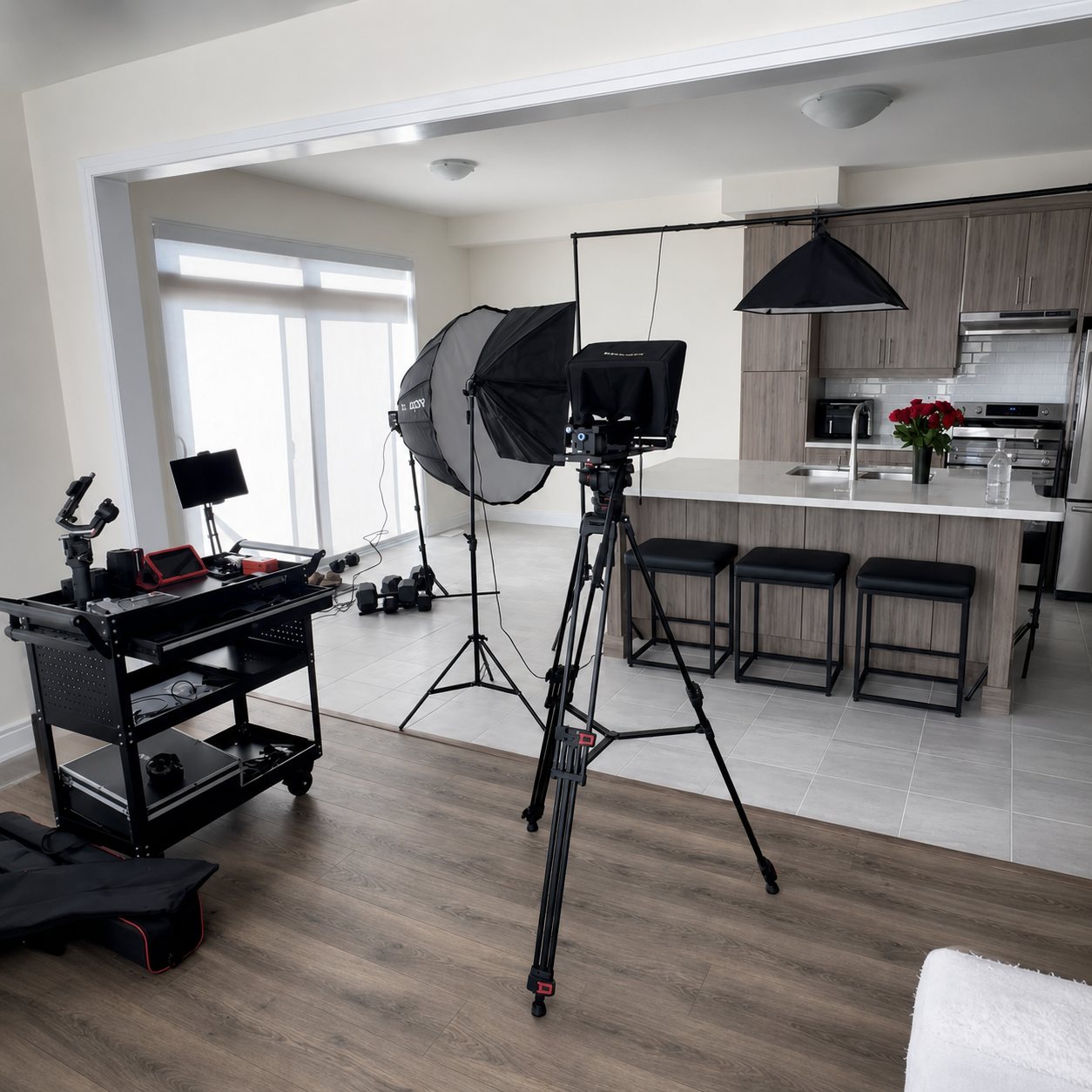
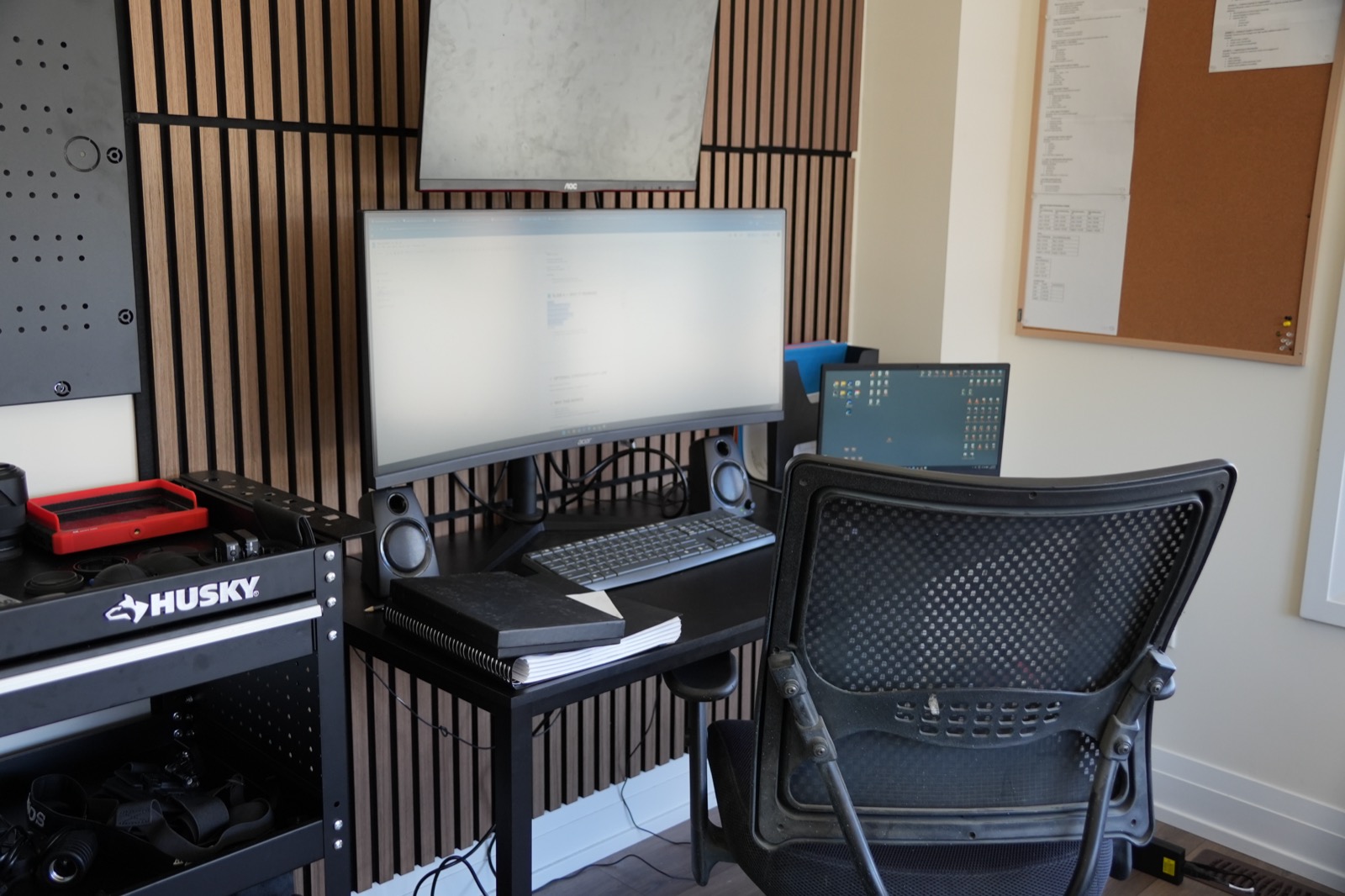
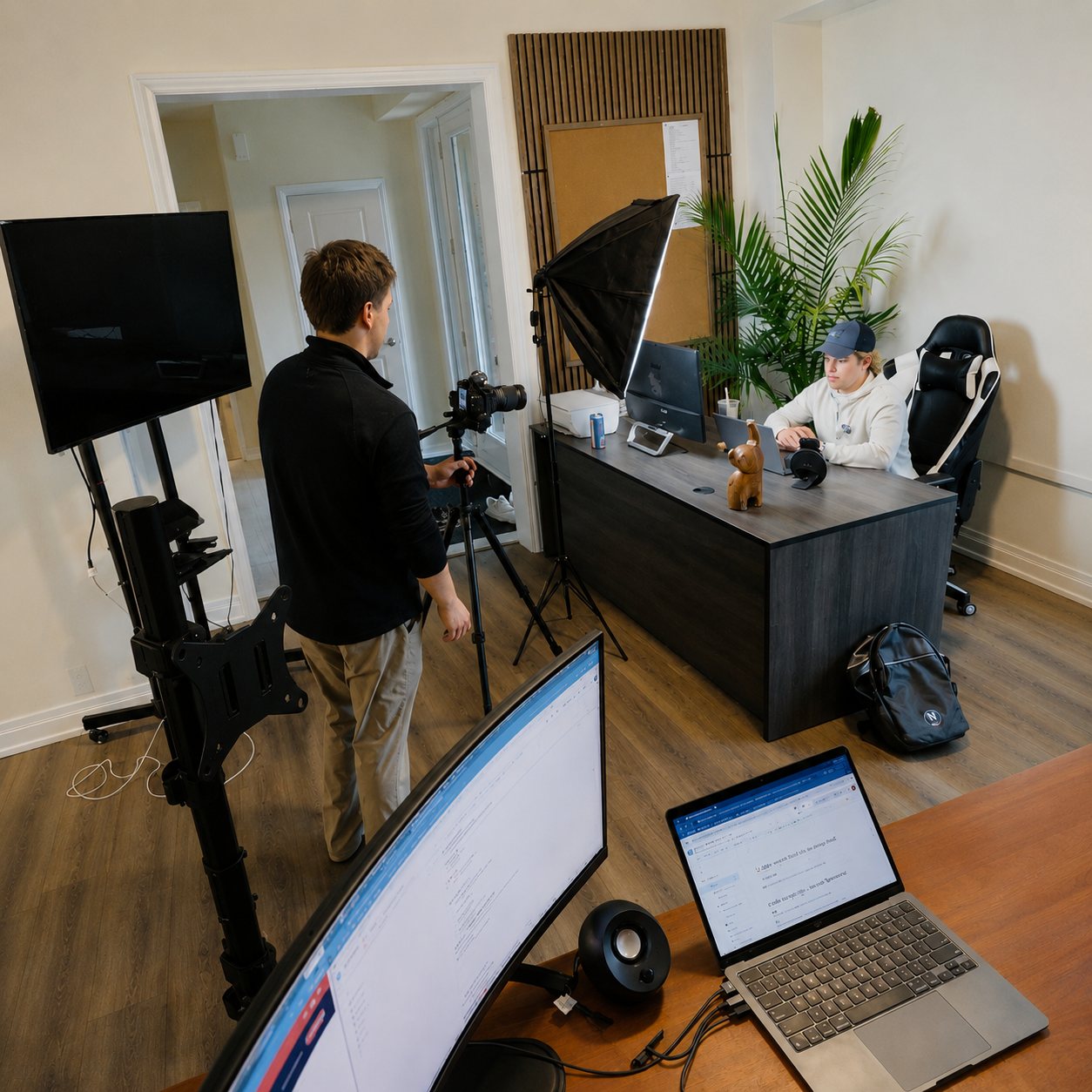
The office and the studio are in Minesing, just west of Barrie. Come and sit in it, see what is actually on the screens, and ask the person who would be on your account what they would do first.

 The office
5.0 ★ on Google
5.0Google rating“Working with NewLife Marketing has been a great experience. Their team has travelled to our locations to film professional content and turn it into Meta ad campaigns focused on generating real leads for our stores. The campaigns have been profitable, the communication has been consistent, and they’re always looking for ways to improve performance and bring us more opportunities. It’s been great having a marketing team that’s willing to show up, understand our business, and put in the work. We’d highly recommend NewLife Marketing to any business looking to grow through digital advertising.”
Last step
You will talk to Cruz or Keegan, not a sales rep. If the honest answer is that you do not need us yet, that is what you will hear, and you keep the plan either way.