
Step 1 of 5
Scope
Before a date is booked: what the footage has to do, where it will be used, and how long it has to stay usable. A shoot with no answer to that produces something nice and unusable.
 5.0 Google rating
Video Production In Kitchener
Video Production Kitchener pays for itself fastest in recruitment, which is the budget almost nobody thinks of as a marketing budget.
Trusted by Ontario businesses












On this page
The whole scope, in the order it is explained below.
The under-used case
Hiring is a marketing problem in this region and it is almost never given a marketing budget.
Semrush, Canada database, October 2026
A job advertisement is a list of requirements. It tells a candidate nothing about what the work is actually like, who they would sit with, or what the building smells like at four in the afternoon, and in a region where strong candidates have several offers that is the information that decides.
Ninety seconds of the real place — people working, somebody explaining what a normal week looks like, the thing being made — does more for a vacancy than any amount of copy, and it is reusable for every vacancy afterwards.
It is also the cheapest film on this list to make, because the subject is already there and nobody has to be persuaded to be filmed doing their own job.
The reason it goes unmade is organisational rather than financial: recruitment sits with one department and film sits with another, and nobody owns the overlap.
The customer-facing case
This city holds a technology sector and a much older manufacturing and service economy, and they do not watch the same thing.
For the manufacturing and service half, the valuable film is evidence: the line, the install, the finished job, the quality step. A customer cannot visit and the film substitutes for the visit. It needs coverage rather than presenters and it tolerates the place looking like a working place.
For the technology half, the valuable film is the problem rather than the product. A screen recording shows an interface to somebody who already understands why they would want it; filming the mess the software replaces — the spreadsheet at eight in the evening, the clipboard, the phone call to find out where something is — is what makes a stranger care.
Those are genuinely different productions with different costs and different permissions, and a single brief trying to serve both produces an office montage that serves neither.
So the first conversation is about which audience, and the answer is usually clearer to the business than it expects once it is asked directly.
What to make first
Each does a job written material does badly, which is the only test worth applying.
People working, somebody explaining what a normal week looks like, the place as it actually is. Cheapest to make, reusable for every vacancy, and almost nobody in this region has one.
The install, the line, the finished job. It answers the question that otherwise needs a site visit and it can be sent to the people in the buying group who will never travel.
Not the owner reciting capability. The engineer, the lead, the operator. In a technically literate region this is far more persuasive than polish and is easy to shoot.
The question everybody asks
The film nobody makes, answering the question every customer has.
Two minutes explaining how a job is priced — what moves it up, what moves it down, what a typical one runs to — does more work than any other film a business can make, because it is the conversation every enquiry begins with.
It does not require publishing a price list. It requires explaining the logic, which is reassuring precisely because most competitors will not.
It also filters. People for whom the answer is impossible stop before ringing, and the enquiries that arrive are from people who already accept the range.
Put it on the page where the question arises and send it in reply to the people who ask by email. Within a year it will have saved more time than it took to make, several times over.
Where it gets watched
In a long purchase, one person speaks to you and several others decide.
Those others never visit your website and never take a call. What reaches them is whatever your contact can forward, and in most companies that is a brochure nobody reads.
A three-minute film survives being watched at one and a half times speed by somebody who did not ask for it, which is a real design constraint: the first twenty seconds have to say what the company does and why this film exists, because that is all a forwarded viewer gives you.
It also means the film belongs in the sales process rather than only on the site. Linked from a proposal, sent after a meeting, embedded in a follow-up. Those placements produce most of the value and cost nothing extra.
The same logic applies to the recruitment film. It is not for the careers page; it is for the message somebody sends a candidate who is weighing two offers.
One practical consequence of designing for the forward is length. A film made to be watched on a homepage can wander; a film made to be sent cannot, because a forwarded viewer is deciding within twenty seconds whether to keep watching. Cutting a three-minute piece down to ninety seconds is frequently the highest-return edit in a project and the one nobody schedules.
Our part
The reason we do both is that footage sitting on a website is a cost rather than an asset.
We film, cut for placement, and run paid distribution where there is a case for it. We manage over $70,000 a month in advertising spend for Ontario businesses and the owner runs the paid media personally.
A video production kitchener project should begin with who has to see the film and what they are deciding, because that settles the subject, the length and whether it needs to be shot anywhere other than your own premises.
We are based in Minesing rather than Kitchener, so filming here involves travel, which we price as its own line. Where what you need is a screen-recorded product demonstration and nothing else, that is a task rather than a production and you should not pay production rates for it.
The shoot, which is days you can count, from the edit, which is where most of the hours actually go, from versioning, which is what decides whether the material gets used anywhere. Ask how many finished pieces, in what lengths and shapes, how many rounds of changes are included, who owns the raw footage afterwards, and what it costs to have something recut in a year.
Next step
If hiring is the harder problem, that is the film to make first. Tell us what the vacancy is and we will say what a day would capture.
NewLife Marketing · 70 Bearberry Rd, Minesing, ON L9X 2E1 · 705-302-1097 · Based in Minesing, filming across Ontario including Kitchener.
How it works
Five steps, and the first one is a question rather than a booking.
Step 1 of 5
Before a date is booked: what the footage has to do, where it will be used, and how long it has to stay usable. A shoot with no answer to that produces something nice and unusable.
Step 2 of 5
Every shot written down before anybody arrives, in the order it will be filmed, with what has to be in frame. This is what turns one day on site into a month of material rather than four clips.
Step 3 of 5
Pre-light, principal photography, b-roll, a stills pass, and wrap. Our crew and our own kit, so the day does not stop because something was rented and did not arrive.
Step 4 of 5
Then motion graphics and versioning: the same material cut for paid ads, organic social, the website, email and a sales deck, because each of those wants a different length.
Step 5 of 5
Footage that sits in a folder cost the same as footage that works. The versioning is what decides which one you bought.
Proof first
Every number published on this site came from paid media or production work, with the client named on it.
A storm drainage build with around forty trades working around us.
Read the case study →One of fourteen published client partnerships.
See the partnership →Named clients, real figures, and what each one was spending.
See all case studies →Neither of those was filmed in Kitchener, and we are not going to imply otherwise. They are published, named and checkable, which is more than a showreel offers. Ask any crew you shortlist what the footage was used for afterwards, and whether anybody counted it.
The person on your account
Creative Director — NewLife Marketing
Writes the scripts and the plan before anyone picks up a camera, directs your shoot on the day, and project-manages the work across the team so what was promised is what ships.
Straight answers
Straight answers before you ever book a call.
In a region where strong candidates hold several offers, the deciding information is what the work is actually like and who they would sit with, and a job advertisement cannot convey either. A short film of a real week does, it is the cheapest thing on any production list to make, and it is reusable for every vacancy afterwards.
The swing is set by whether anybody speaks on camera, where it is shot, how many days of preparation are involved and how many finished pieces come out. A quote that prices only the filming hours has either absorbed the preparation or will discover it. Deciding the number of finished pieces before the day is what reduces cost most.
Yes, with the access sorted beforehand. The client’s own safety regulations govern where a camera may stand, which means inductions and agreed positions in advance rather than negotiated on the day. We have filmed on an active job site under exactly those conditions, around roughly forty trades and engineers across two days, and delivered seven finished videos.
Agree it in writing before anybody films, and be specific: the finished pieces, the raw footage and the right to use both in advertising are three separate things. Take the raw files on your own storage at handover. Owning enough to re-cut next year without a second shoot is most of what makes the first one pay.
Why NewLife
Everything we do runs on one system we call The Film-to-Funnel System: in-house film → paid ads → landing page → CRM follow-up → optimize. Here is how that stacks up against doing it yourself or hiring a typical agency.
| In-house | Typical agency | NewLife | |
|---|---|---|---|
| Creative | You film it on a phone | Outsourced or stock footage | Our in-house cinema crew, filmed on-site |
| Who does the work | You, between running the business | A junior account manager | Cruz and the senior team, directly |
| The system | Disconnected tools that don't talk | Ads, then hands-off | Film → ads → landing page → CRM, one connected system |
| Your accounts & data | Yours, but no time to run them | Often held hostage | Always yours - you keep everything |
| Follow-up | Manual, when you remember | Rarely their problem | Automated speed-to-lead in the CRM |
| Local knowledge | You know your market | A national, generic playbook | Real local research for every market you target |
Where to go next
Come say hi
The office and the studio are in Minesing, just west of Barrie. Come and sit in it, see what is actually on the screens, and ask the person who would be on your account what they would do first.

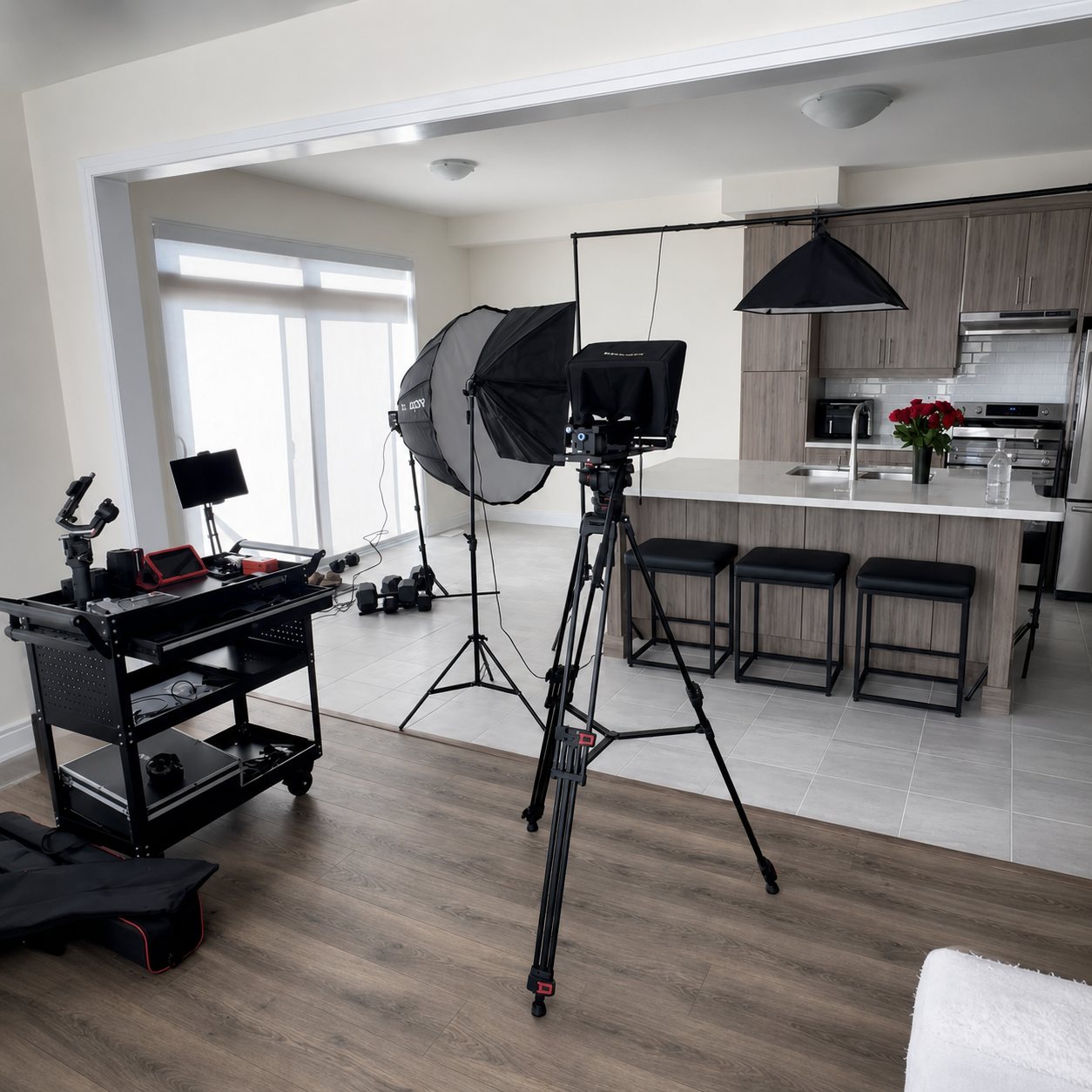
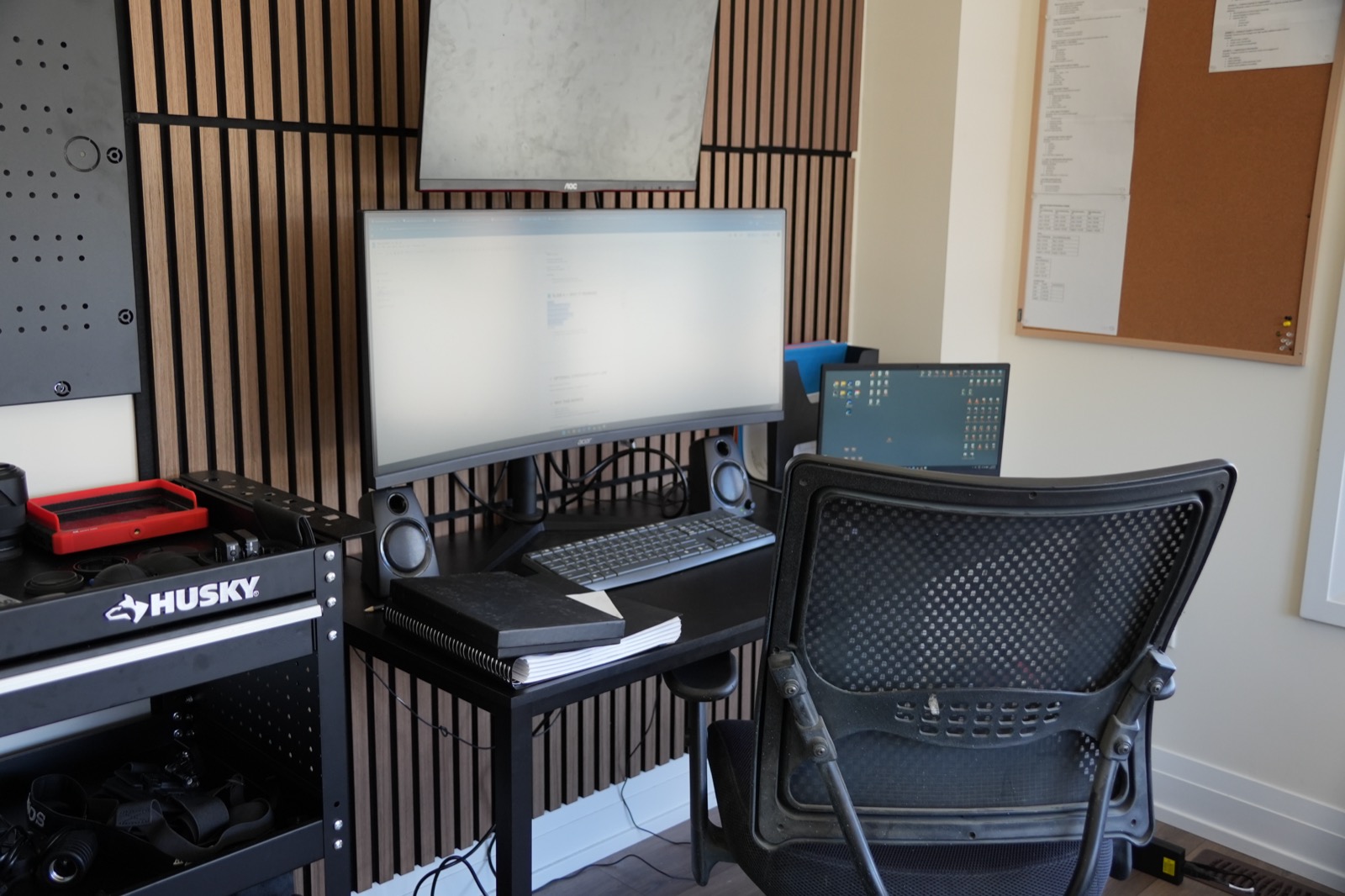
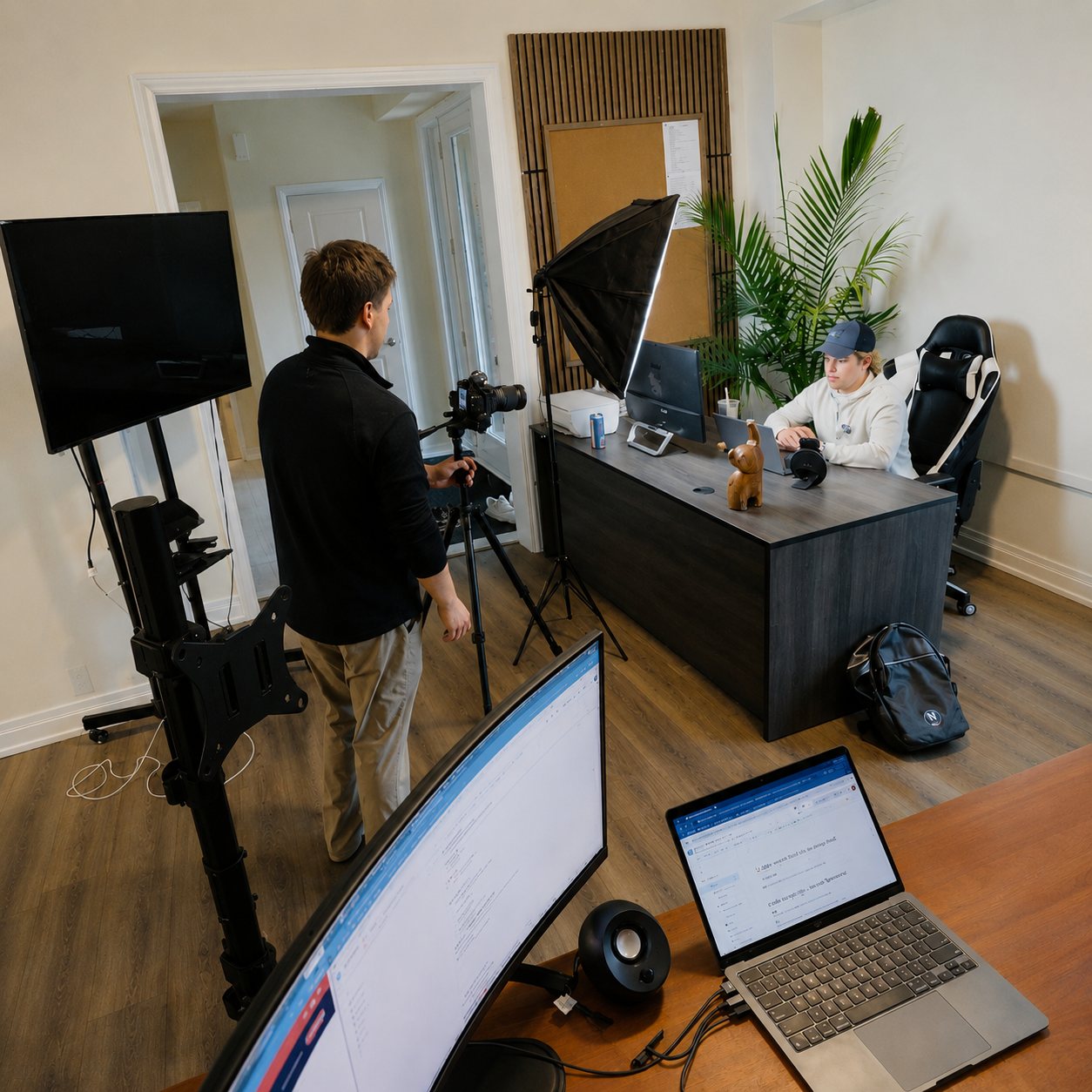 The office
5.0 ★ on Google
5.0Google rating“Working with NewLife Marketing has been a great experience. Their team has travelled to our locations to film professional content and turn it into Meta ad campaigns focused on generating real leads for our stores. The campaigns have been profitable, the communication has been consistent, and they’re always looking for ways to improve performance and bring us more opportunities. It’s been great having a marketing team that’s willing to show up, understand our business, and put in the work. We’d highly recommend NewLife Marketing to any business looking to grow through digital advertising.”
Last step
You will talk to Cruz or Keegan, not a sales rep. If the honest answer is that you do not need us yet, that is what you will hear, and you keep the plan either way.