
Step 1 of 5
Scope
Before a date is booked: what the footage has to do, where it will be used, and how long it has to stay usable. A shoot with no answer to that produces something nice and unusable.
 5.0 Google rating
Video Marketing In Oakville
Video Marketing Oakville is asked to do two unrelated things, and the one that pays is the material still working in the fifth week rather than the launch.
Trusted by Ontario businesses












On this page
The whole scope, in the order it is explained below.
What the words mean
Semrush, Canada database, October 2026
Video marketing oakville, video marketing company oakville, oakville video production. The first two name a marketing outcome. The third names a craft. They are usually sold by different kinds of supplier and the buyer rarely knows which one they are talking to.
A production company sells days, crew and an edit. The deliverable is a file. What happens to the file afterwards is explicitly not their job, and good ones will say so.
A marketing supplier sells attention. The film is an input rather than the product, and the measure is what it produced rather than how it looked. That is a different brief, a different budget split and a different definition of finished.
Neither is wrong. Buying the first while expecting the second is the most common disappointment in this category, and it is a procurement error rather than a quality one.
The split that works
The rule of thumb nobody likes: a film that cost ten thousand dollars and was seen by four hundred people has not been bought, it has been commissioned.
In a town where a social click runs at $11.10, putting a film in front of a meaningful number of the right people costs real money. A budget that spends everything on production and nothing on distribution has bought the asset and skipped the outcome.
The practical fix is to decide the split before the brief rather than after the invoice. If the total available is a fixed number, work backwards from how many of the right people need to see it, and let that decide how elaborate the film can be. A simpler film seen by the right ten thousand people beats a beautiful one seen by nobody, every time.
This also changes what gets made. A single polished brand film is hard to distribute, because there is only one of it and an audience sees it once. Several shorter pieces from the same day give a campaign somewhere to go in week five, when the first piece has been seen by everybody inclined to watch it.
So the useful brief is not "we need a video". It is: here is the total budget, here is who has to see it, here is how many times, now how much film can we afford.
What to film, given the budget split
A campaign in a town this size needs somewhere to go after the opening piece has been seen by everybody inclined to watch it.
The default brief produces one hero film. It is the most satisfying thing to commission and the worst thing to distribute, because an audience of this size consumes it inside a fortnight and then the budget has nothing new to carry.
A brief written for distribution produces a set: the same day on site, shot with enough coverage that four or five distinct pieces come out of it, each making a different argument rather than being a shorter edit of the same one. One about the problem, one about the method, one about the result, one that is just the work with no voice over it.
That costs very little more on the day and it roughly quadruples how long the media budget stays effective. It does, however, have to be decided before the shoot, because you cannot retrofit coverage you did not capture.
The practical instruction to a crew is unglamorous: keep rolling between the set-ups, get the wide and the detail of everything, and record more of people talking than anybody thinks will be used. The unscripted minute between takes is frequently the piece that works hardest afterwards.
Reading a quote
Not the day rate. These three decide whether a quote is for a film or for a result.
Production, usage and media, as three numbers. Folded into one, the media is what quietly disappears when the budget tightens, and you will not see it happen until the film is finished and nobody has watched it.
Working here
Three constraints shape a shooting day in this town and none of them is creative.
Access is the first. Clinics, offices, showrooms and sites have their own rules about when a camera can be present and who has to consent, and those are settled in advance or they are settled badly on the day. For anything on a commercial site, the client’s own safety regulations govern the shoot rather than the production company’s preferences.
Light is the second, and from November the usable outdoor window in this part of Ontario narrows sharply. A shoot scheduled for exteriors in February is a shoot with a contingency day in it or a shoot that will move. Booking the right month is worth more than any equipment decision.
Working rhythm is the third. A business cannot stop for a camera, so the film has to be made inside the way the work already happens. That is a planning problem rather than a filming one, and it is the difference between a day that produces seven usable pieces and a day that produces two.
We have filmed on an active municipal job site for a client, working around roughly forty trades and engineers over two days under the city’s own safety regulations, and it produced seven finished videos. The planning is the reason, not the kit.
Our part
The reason we do both is that the split between them is where the money is won or lost.
We film, we cut for placement, and we run the paid distribution against a defined audience with cost per enquiry as the number. We manage over $70,000 a month in advertising spend for Ontario businesses and the owner runs the paid media personally.
We are based in Minesing rather than Oakville, so a shoot here involves travel. We price that rather than hiding it in a day rate.
What we would rather not do is hand over a file and walk away. Where that is genuinely what you need — you have a media team and only want the production — a dedicated production company is a better buy than we are.
The shoot, which is days you can count, from the edit, which is where most of the hours actually go, from versioning, which is what decides whether the material gets used anywhere. Ask how many finished pieces, in what lengths and shapes, how many rounds of changes are included, who owns the raw footage afterwards, and what it costs to have something recut in a year.
Next step
Answer that and the budget split decides itself. Tell us the number and we will tell you what film it affords.
NewLife Marketing · 70 Bearberry Rd, Minesing, ON L9X 2E1 · 705-302-1097 · Based in Minesing, filming across Ontario including Oakville.
How it works
Five steps, and the first one is a question rather than a booking.
Step 1 of 5
Before a date is booked: what the footage has to do, where it will be used, and how long it has to stay usable. A shoot with no answer to that produces something nice and unusable.
Step 2 of 5
Every shot written down before anybody arrives, in the order it will be filmed, with what has to be in frame. This is what turns one day on site into a month of material rather than four clips.
Step 3 of 5
Pre-light, principal photography, b-roll, a stills pass, and wrap. Our crew and our own kit, so the day does not stop because something was rented and did not arrive.
Step 4 of 5
Then motion graphics and versioning: the same material cut for paid ads, organic social, the website, email and a sales deck, because each of those wants a different length.
Step 5 of 5
Footage that sits in a folder cost the same as footage that works. The versioning is what decides which one you bought.
Proof first
Every number published on this site came from paid media or production work, with the client named on it.
A storm drainage build with around forty trades working around us.
Read the case study →One of fourteen published client partnerships.
See the partnership →Named clients, real figures, and what each one was spending.
See all case studies →Neither of those was filmed in Oakville, and we are not going to imply otherwise. They are published, named and checkable, which is more than a showreel offers. Ask any crew you shortlist what the footage was used for afterwards, and whether anybody counted it.
The person on your account
Creative Director — NewLife Marketing
Writes the scripts and the plan before anyone picks up a camera, directs your shoot on the day, and project-manages the work across the team so what was promised is what ships.
Straight answers
Straight answers before you ever book a call.
Decide the total first and split it between making and distributing before the brief is written. A useful starting posture is that at least as much goes behind the film as into it, which usually means a simpler film than people imagined and a much better result. Crew size, days, usage and edit depth then decide what the production half buys.
Access is usually the limiting factor rather than production. Once filmed, a first cut follows within weeks and revisions after that. If the shoot needs permissions or inductions, find out what they take before committing to a date, because that is where timelines slip.
For anything with a presenter or voiceover, yes, and it should exist before the day. For observational footage of work being done, a shot list matters more. The common failure is arriving with neither, which turns a day of filming into a day of deciding what to film.
Agree it in writing before anybody films, and be specific: the finished films, the raw footage, and the right to use both in advertising are three separate things. You want to own enough that a second cut next year does not require a second shoot, because reusing footage is most of what makes the original day pay for itself.
Why NewLife
Everything we do runs on one system we call The Film-to-Funnel System: in-house film → paid ads → landing page → CRM follow-up → optimize. Here is how that stacks up against doing it yourself or hiring a typical agency.
| In-house | Typical agency | NewLife | |
|---|---|---|---|
| Creative | You film it on a phone | Outsourced or stock footage | Our in-house cinema crew, filmed on-site |
| Who does the work | You, between running the business | A junior account manager | Cruz and the senior team, directly |
| The system | Disconnected tools that don't talk | Ads, then hands-off | Film → ads → landing page → CRM, one connected system |
| Your accounts & data | Yours, but no time to run them | Often held hostage | Always yours - you keep everything |
| Follow-up | Manual, when you remember | Rarely their problem | Automated speed-to-lead in the CRM |
| Local knowledge | You know your market | A national, generic playbook | Real local research for every market you target |
Where to go next
Come say hi
The office and the studio are in Minesing, just west of Barrie. Come and sit in it, see what is actually on the screens, and ask the person who would be on your account what they would do first.
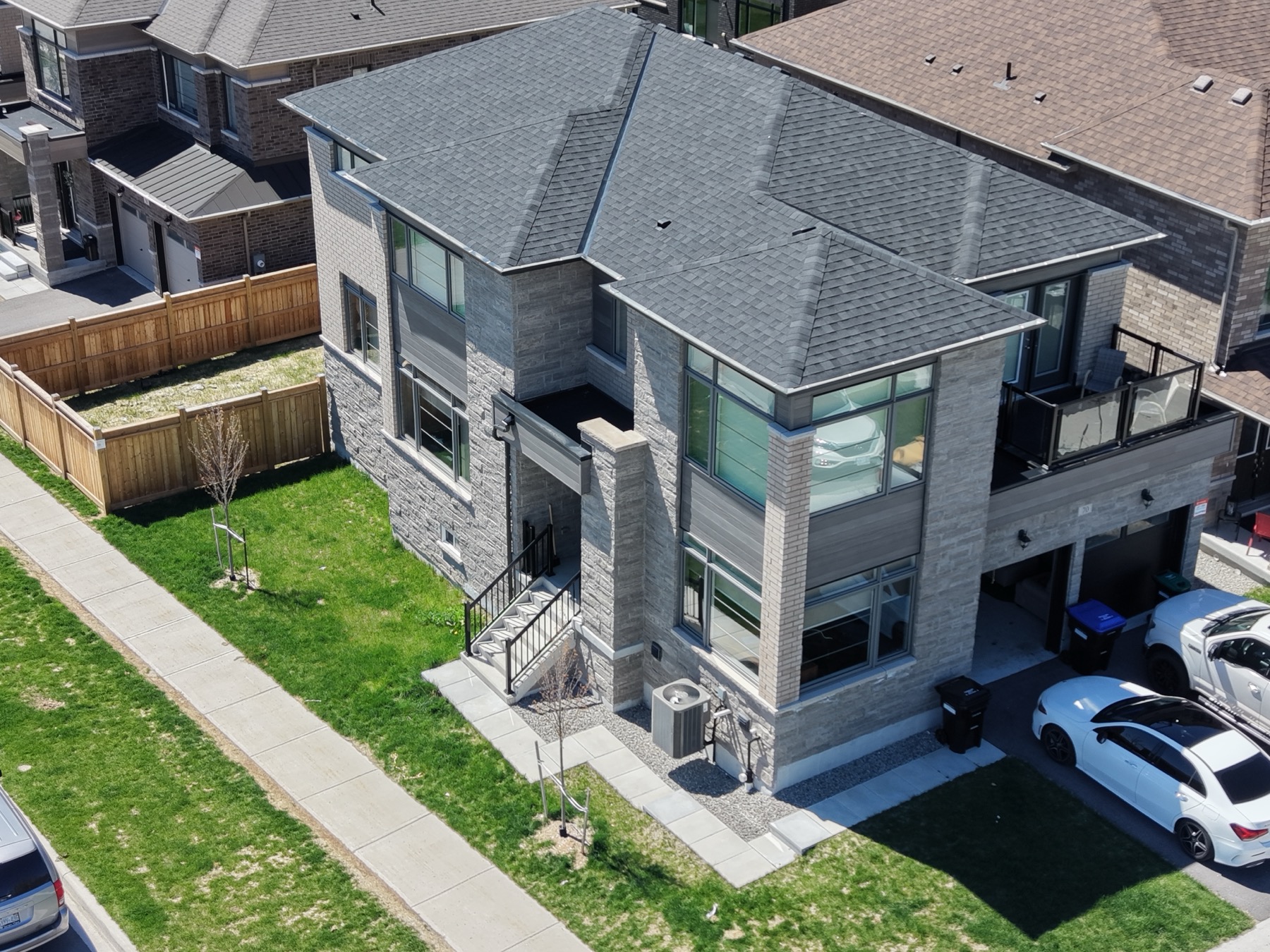
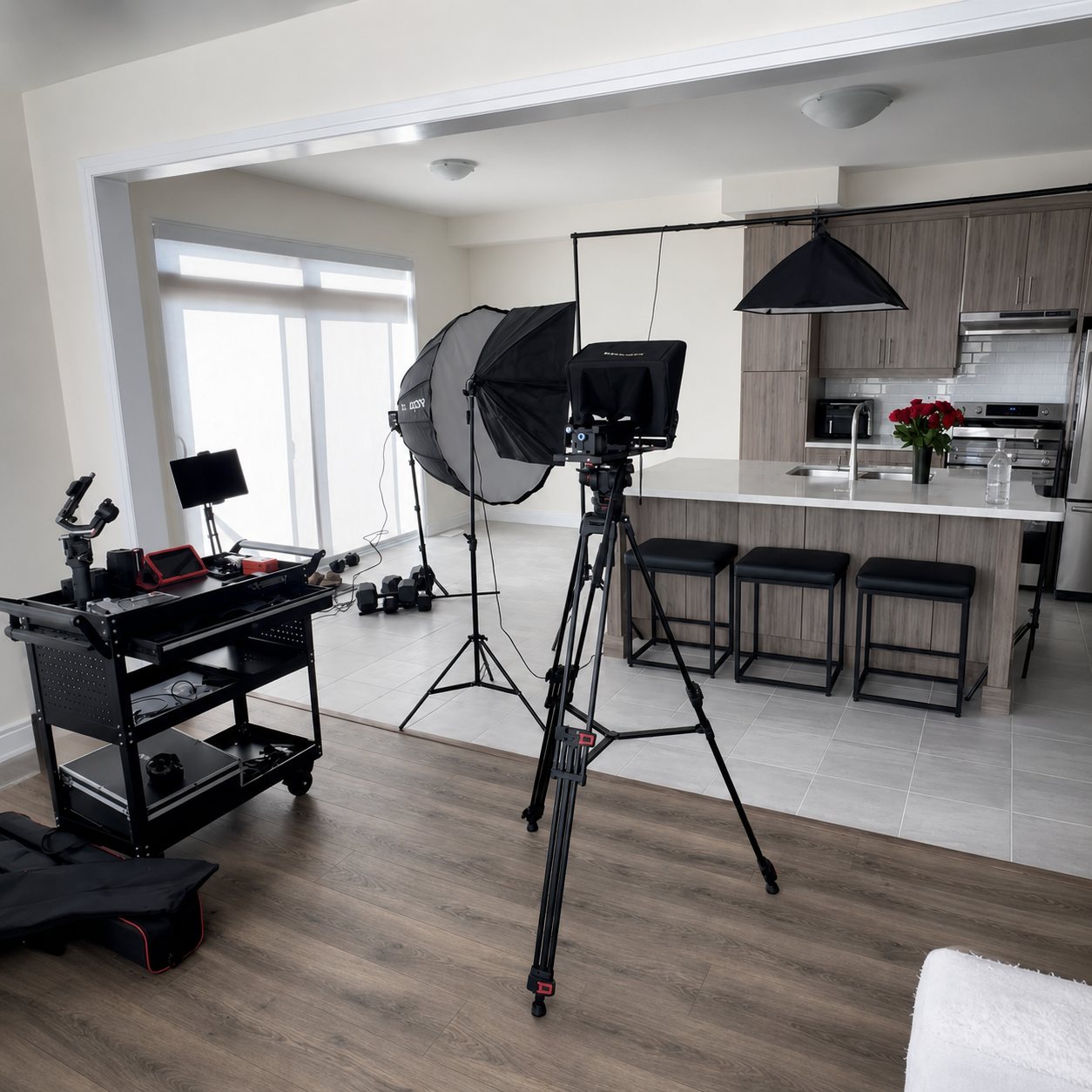
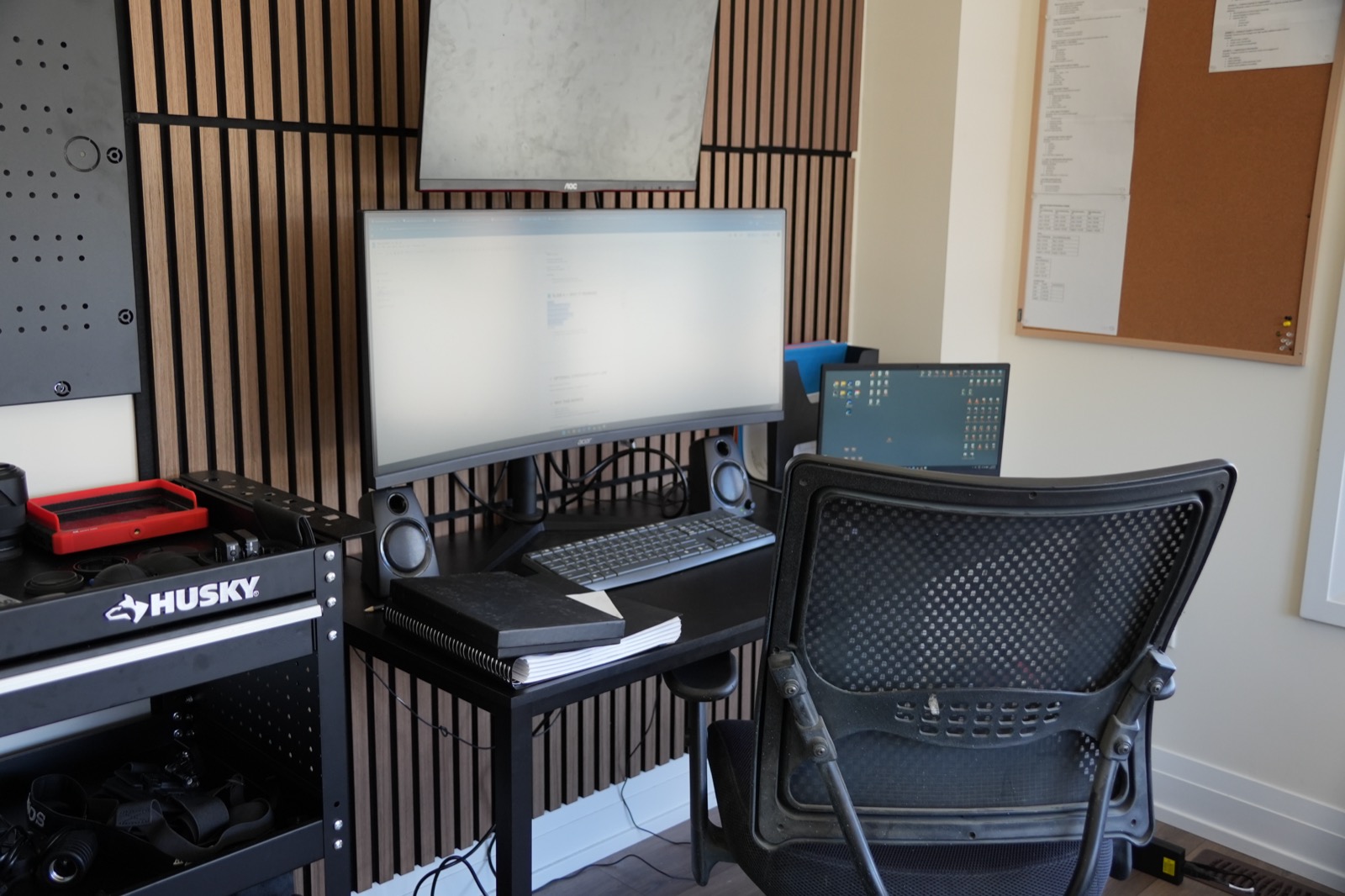
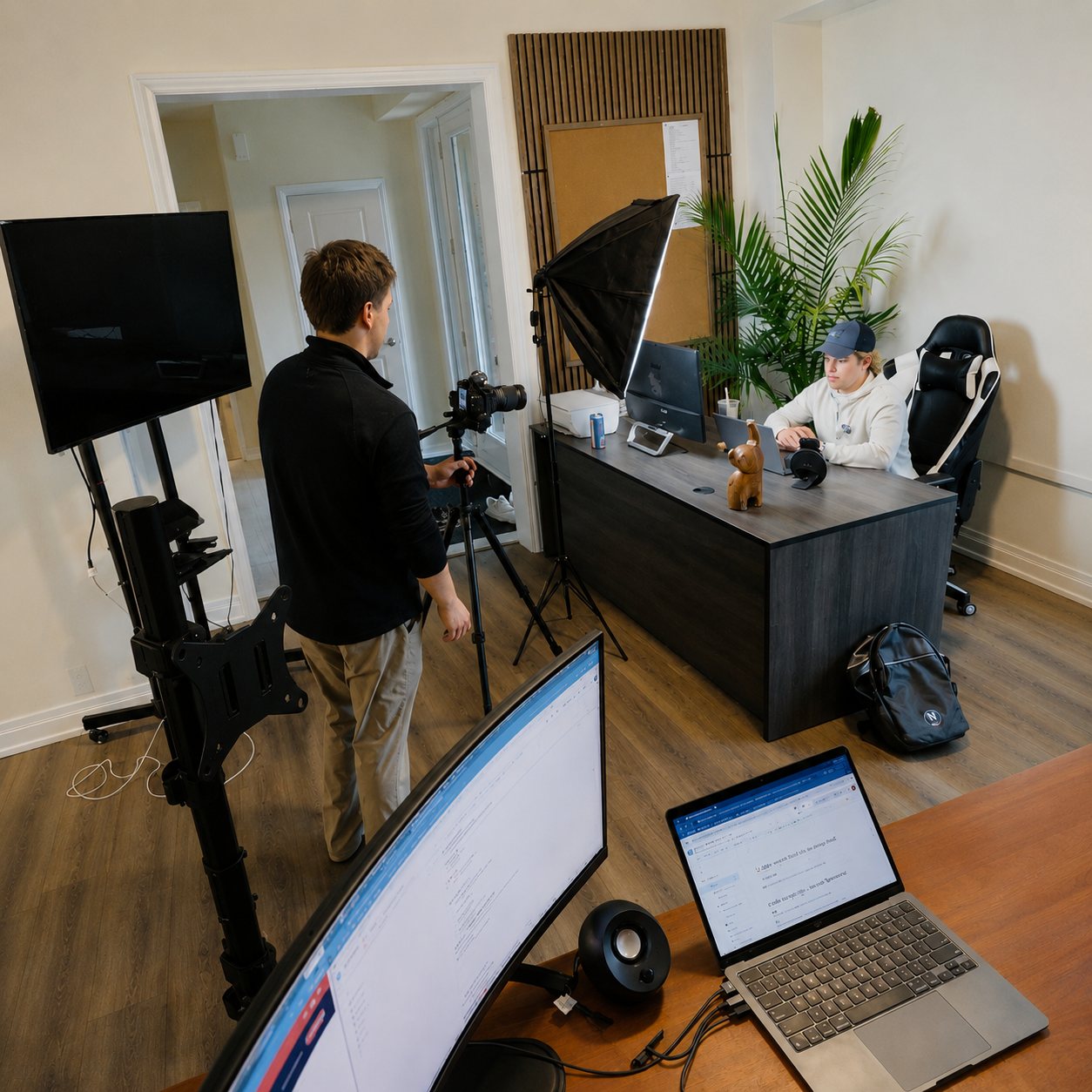 The office
5.0 ★ on Google
5.0Google rating“Working with NewLife Marketing has been a great experience. Their team has travelled to our locations to film professional content and turn it into Meta ad campaigns focused on generating real leads for our stores. The campaigns have been profitable, the communication has been consistent, and they’re always looking for ways to improve performance and bring us more opportunities. It’s been great having a marketing team that’s willing to show up, understand our business, and put in the work. We’d highly recommend NewLife Marketing to any business looking to grow through digital advertising.”
Last step
You will talk to Cruz or Keegan, not a sales rep. If the honest answer is that you do not need us yet, that is what you will hear, and you keep the plan either way.