
Step 1 of 5
Scope
Before a date is booked: what the footage has to do, where it will be used, and how long it has to stay usable. A shoot with no answer to that produces something nice and unusable.
 5.0 Google rating
Video Production In Kingston
Kingston Video Production is usually needed by a date rather than to a standard, and a film that arrives a fortnight late is worth less than a plainer one that arrived.
Trusted by Ontario businesses












On this page
The whole scope, in the order it is explained below.
The timing problem
Both would be better. Only one of them is available if the booking is late.
Statistics Canada, 2021 Census of Population
A production has a lead time that nobody enjoys discussing: the scout, the permissions, the scheduling around a working business, the shoot, the edit, the revisions. For a straightforward job that is weeks rather than days, and for anything needing access to a site or to other people’s premises it is longer.
Where demand is spread evenly across a year, a late delivery costs a few weeks of use. Where the year is concentrated, it can cost the year.
So the useful first question is not what the film should be. It is what date it has to be live, and then whether the lead time fits behind that date. If it does not, the honest answer is to make something smaller now and the ambitious thing for next year.
That conversation takes ten minutes and it is the one most likely to save a budget from being spent on something that arrives late.
What to make
Before anything ambitious, these three do the work for most businesses in this city.
The job, the install, the room, the process. It answers the question every customer has and that no amount of text answers, which is what this looks like when you do it.
Ninety seconds of whoever answers the phone. In a growing market where a share of buyers have no recommendation to lean on, a face does the job a neighbour would otherwise do.
Whatever customers ask before committing, answered once on camera. The most reused asset you will own: site, advertising, email, and the reply you currently type weekly.
All three come out of the same visit if the coverage is planned for, and none can be retrofitted from footage that was not captured.
Two prices
They are not two ways of pricing the same thing. They are two different promises, and only one of them is a promise about what you will receive.
A day rate promises time. Somebody with a camera, for a day. What comes out of it depends entirely on how well the day was planned, and if it rains, or the person who was meant to be on camera is off sick, you have still bought the day.A project price promises an outcome. A stated number of finished pieces, in stated lengths, with a stated number of rounds of changes. The risk of the day going badly sits with the crew rather than with you, which is why it costs more and why it is usually the right buy.The trap is a day rate quoted as though it were a project price. "A day, and you will get three or four videos out of it" is a day rate with an estimate attached. Three or four is not a number, and neither is a video of unspecified length.So ask for the deliverable in writing either way. How many finished pieces, how long each one is, what shapes, how many rounds, and what happens if the day is lost to weather or an absence. A supplier who will not put that in writing is quoting you time and calling it an outcome.Where it gets watched
The placements that do the work are the unglamorous ones.
Sent in reply to an enquiry, so the fifteen-minute explanation happens once rather than weekly. Linked from a quotation, so the person who did not attend the meeting still sees the place. Embedded in a follow-up email, where it is the only thing worth opening.
And cut short for paid distribution, which in a market of this size reaches most of the relevant population for a knowable sum. A finite audience exhausts one piece quickly, so the short cuts are what keep a campaign alive past week three.
Designing for those placements changes the film. The first twenty seconds have to say what this is and why it exists, because that is all a forwarded viewer gives you.
A film made only for a homepage is a film most of your customers will never reach.
Afterwards
In a market where the next shoot may be a year away, what you keep matters more than usual.
Agree in writing who owns the raw footage as well as the finished pieces, and take the files on your own storage at handover rather than relying on an archive somebody else maintains. The year you want a second cut is reliably the year after that archive was cleared.
Keep the list of what was shot as well. A folder of unlabelled clips is nearly unusable two years later; a one-page note saying what is in each is the difference between re-cutting and re-shooting.
Both cost nothing if they are decided at handover and are close to impossible to recover afterwards.
And plan the second cut before you need it. In a city where demand concentrates, the week you want new creative is the week everybody else does too.
That applies to the production calendar as well as the media one. Crews, edit time and the people who have to appear on camera are all scarcer in the weeks a business is busiest, which is the same reason the film has to be finished before them. Booking the shoot in the quiet months is not a convenience; it is the only time the business can actually give it attention.
Our part
The reason we do both is that footage sitting on a website is a cost rather than an asset.
We film, cut for placement, and run the paid distribution where there is a case for it. We manage over $70,000 a month in advertising spend for Ontario businesses and the owner runs the paid media personally.
A kingston video production booking should start with the date the film has to be live rather than with the brief, because the lead time is the constraint in a city whose year concentrates. Everything else can be designed around that date.
We are based in Minesing, a long way west of here, so a shoot in this part of the province carries travel, which we price as its own line. Where what you need is two hours with a camera and nothing else, a local operator is the better buy and we will say so.
The shoot, which is days you can count, from the edit, which is where most of the hours actually go, from versioning, which is what decides whether the material gets used anywhere. Ask how many finished pieces, in what lengths and shapes, how many rounds of changes are included, who owns the raw footage afterwards, and what it costs to have something recut in a year.
Next step
Answer that and we can say immediately whether the ambitious version fits behind it or whether something smaller is the right call this year.
NewLife Marketing · 70 Bearberry Rd, Minesing, ON L9X 2E1 · 705-302-1097 · Based in Minesing, filming across Ontario.
How it works
Five steps, and the first one is a question rather than a booking.
Step 1 of 5
Before a date is booked: what the footage has to do, where it will be used, and how long it has to stay usable. A shoot with no answer to that produces something nice and unusable.
Step 2 of 5
Every shot written down before anybody arrives, in the order it will be filmed, with what has to be in frame. This is what turns one day on site into a month of material rather than four clips.
Step 3 of 5
Pre-light, principal photography, b-roll, a stills pass, and wrap. Our crew and our own kit, so the day does not stop because something was rented and did not arrive.
Step 4 of 5
Then motion graphics and versioning: the same material cut for paid ads, organic social, the website, email and a sales deck, because each of those wants a different length.
Step 5 of 5
Footage that sits in a folder cost the same as footage that works. The versioning is what decides which one you bought.
Proof first
Every number published on this site came from paid media or production work, with the client named on it.
A storm drainage build with around forty trades working around us.
Read the case study →One of fourteen published client partnerships.
See the partnership →Named clients, real figures, and what each one was spending.
See all case studies →Neither of those was filmed in Kingston, and we are not going to imply otherwise. They are published, named and checkable, which is more than a showreel offers. Ask any crew you shortlist what the footage was used for afterwards, and whether anybody counted it.
The person on your account
Creative Director — NewLife Marketing
Writes the scripts and the plan before anyone picks up a camera, directs your shoot on the day, and project-manages the work across the team so what was promised is what ships.
Straight answers
Straight answers before you ever book a call.
Further than feels necessary, and the test is simple: work back from the date the film has to be live through the edit, the shoot and the access arrangements. For anything needing permissions or other people’s premises, add weeks rather than days. In a city where the year concentrates, late delivery can cost the year rather than a few weeks of use.
Less than a crewed production and more than the filming hours suggest, because travel, setup and waiting are the real day. The largest swing is whether anybody speaks on camera. The most effective way to reduce cost per usable piece is to decide the number of finished pieces before the day.
Usually, because the marginal cost of a second and third piece from the same visit is small and the cost of a second visit is not. A finite local audience also exhausts one piece quickly, so a single film gives a campaign nothing to run past week three.
Agree it in writing before anybody films, and be specific: the finished pieces, the raw footage and the right to use both in advertising are three separate things. Take the raw files on your own storage at handover, with a note of what is in each clip. That note is what makes a second cut possible two years later.
Why NewLife
Everything we do runs on one system we call The Film-to-Funnel System: in-house film → paid ads → landing page → CRM follow-up → optimize. Here is how that stacks up against doing it yourself or hiring a typical agency.
| In-house | Typical agency | NewLife | |
|---|---|---|---|
| Creative | You film it on a phone | Outsourced or stock footage | Our in-house cinema crew, filmed on-site |
| Who does the work | You, between running the business | A junior account manager | Cruz and the senior team, directly |
| The system | Disconnected tools that don't talk | Ads, then hands-off | Film → ads → landing page → CRM, one connected system |
| Your accounts & data | Yours, but no time to run them | Often held hostage | Always yours - you keep everything |
| Follow-up | Manual, when you remember | Rarely their problem | Automated speed-to-lead in the CRM |
| Local knowledge | You know your market | A national, generic playbook | Real local research for every market you target |
Where to go next
Come say hi
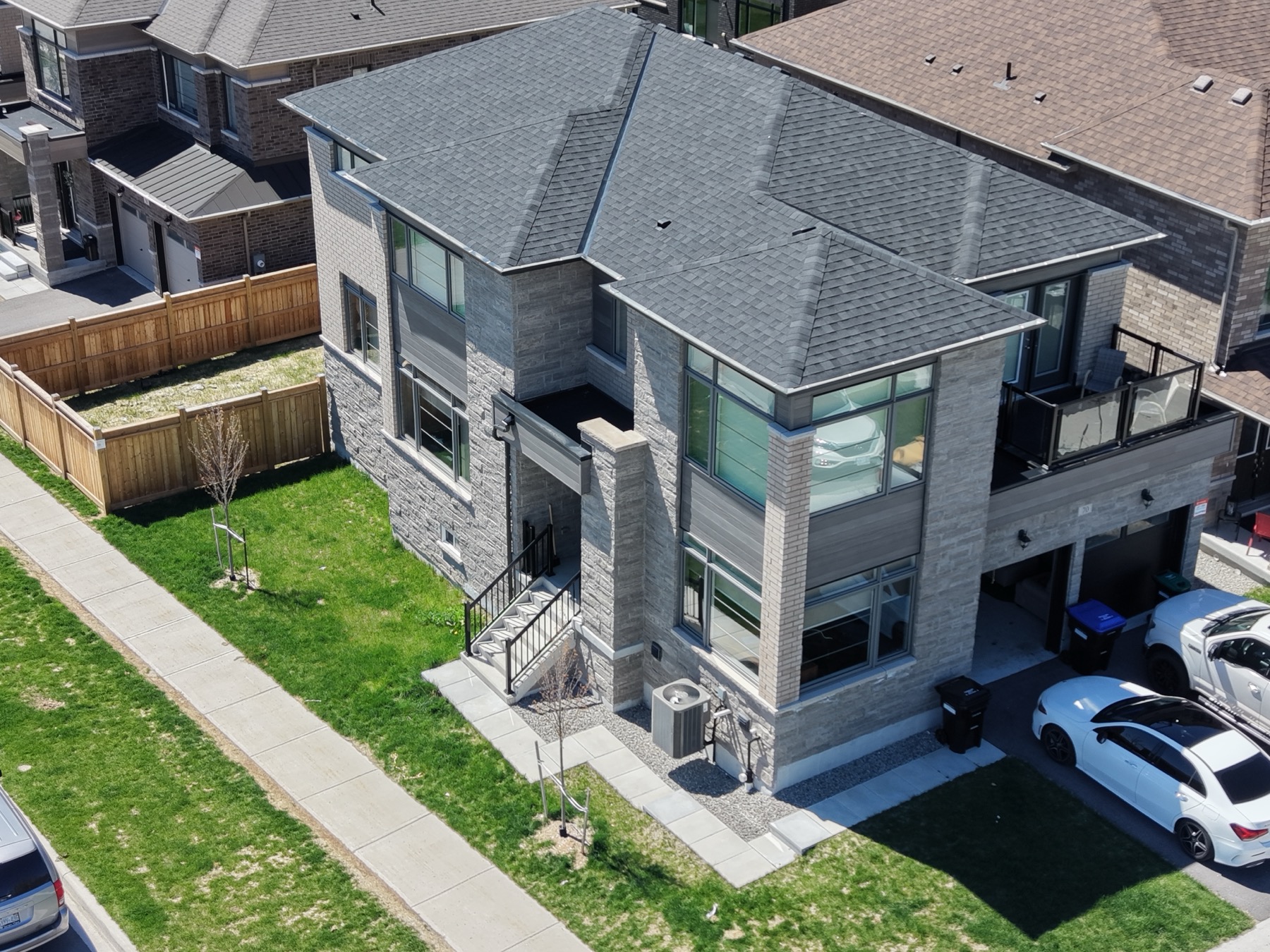
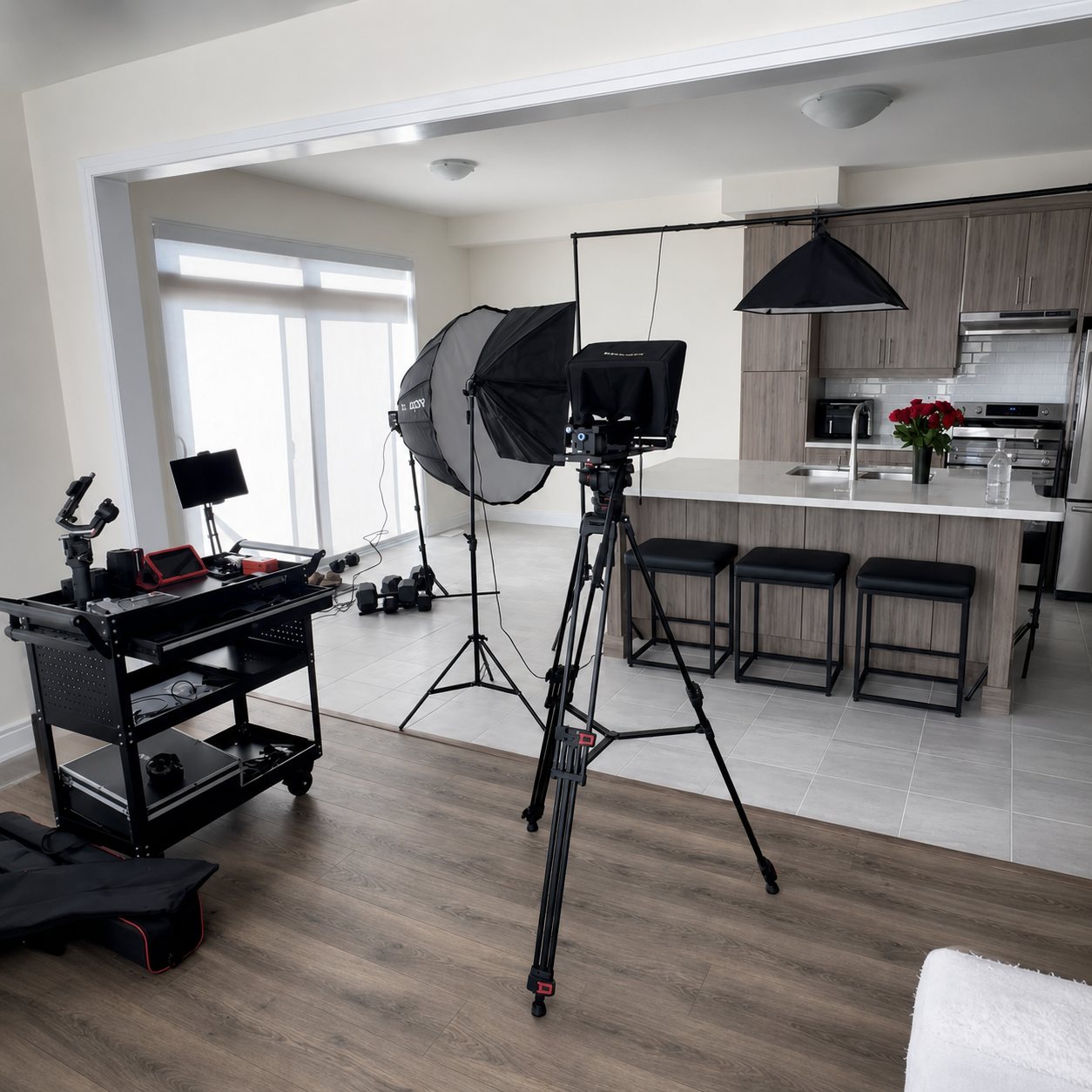
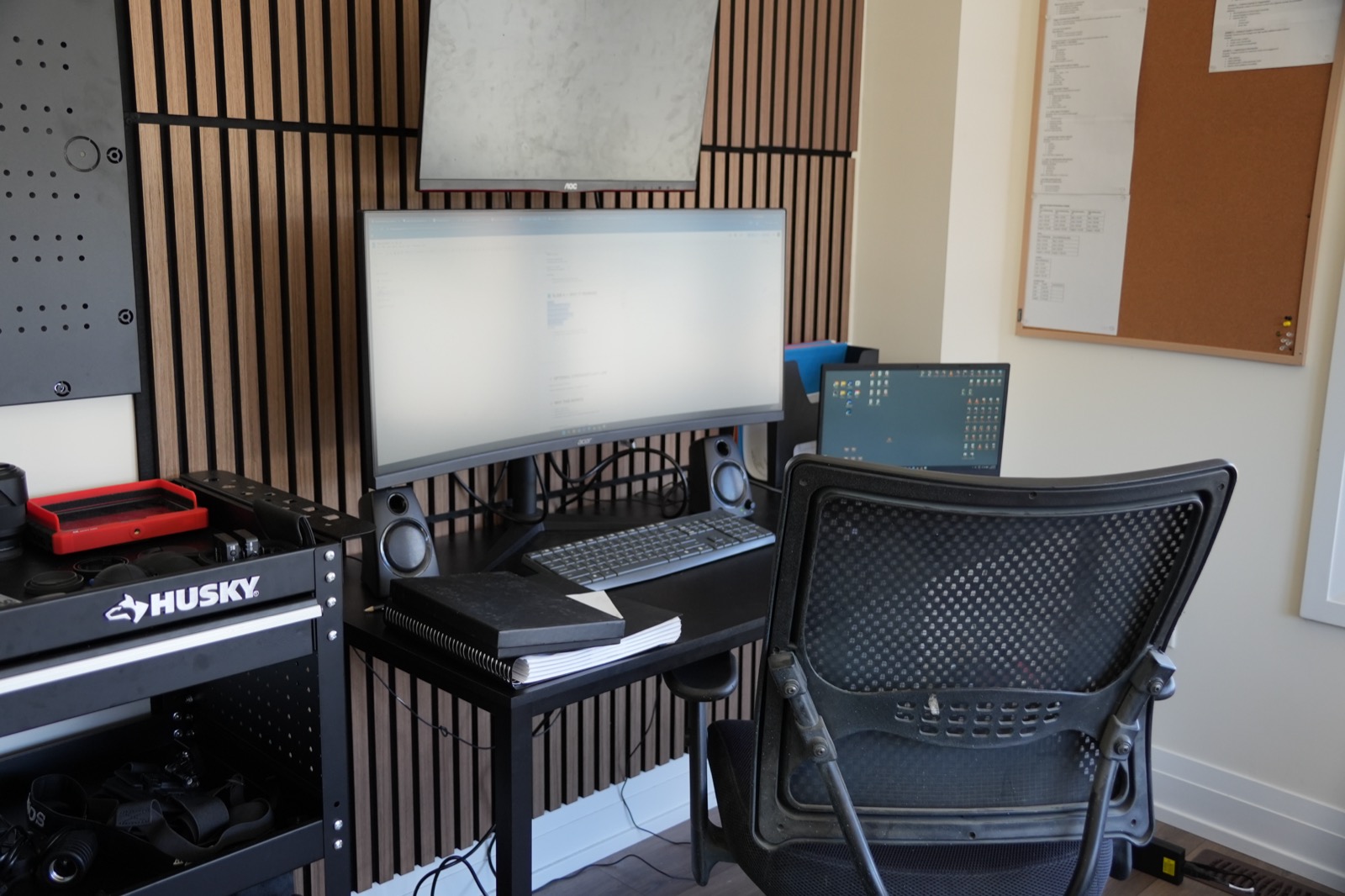
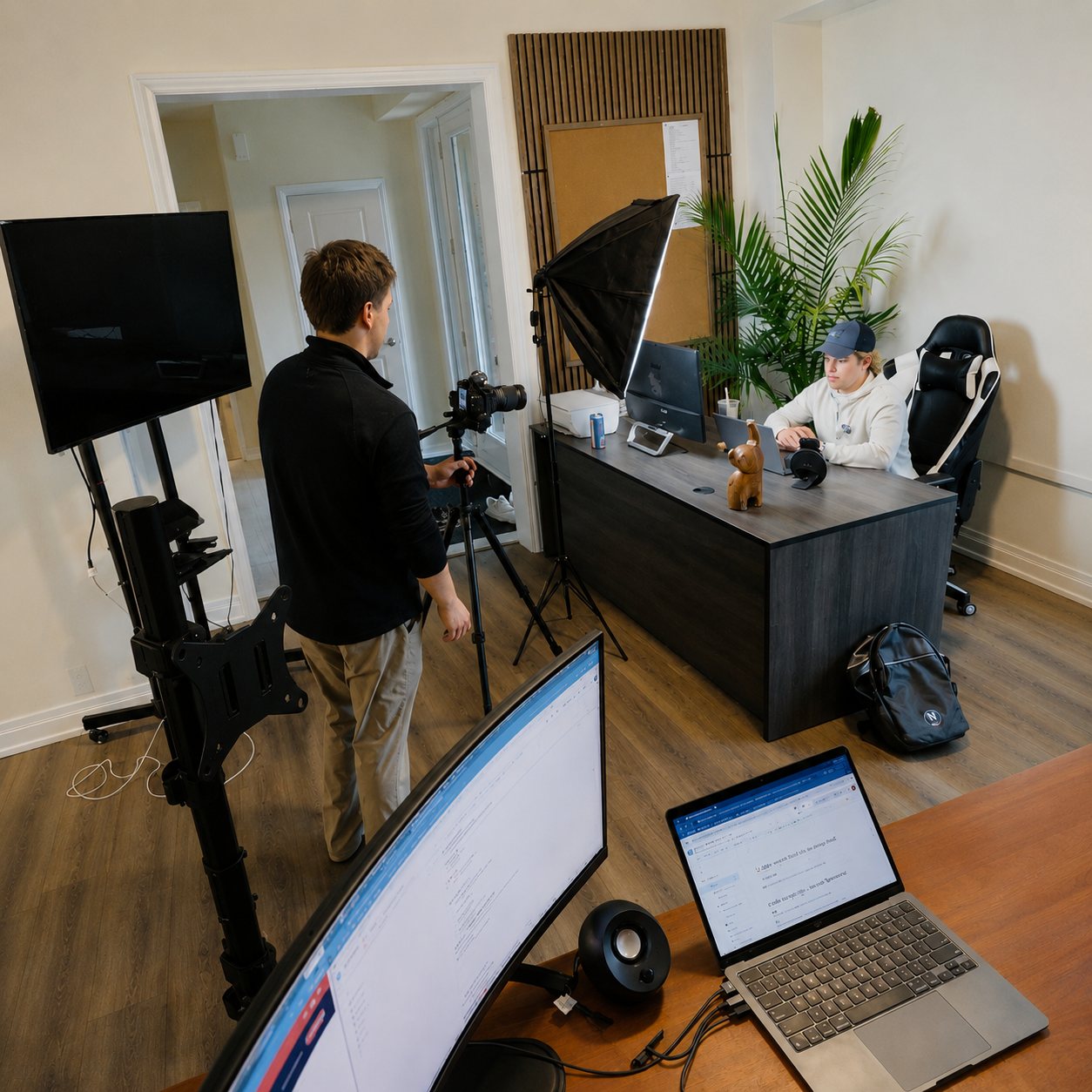
The office and the studio are in Minesing, just west of Barrie. Come and sit in it, see what is actually on the screens, and ask the person who would be on your account what they would do first.
 The office
5.0 ★ on Google
5.0Google rating“Working with NewLife Marketing has been a great experience. Their team has travelled to our locations to film professional content and turn it into Meta ad campaigns focused on generating real leads for our stores. The campaigns have been profitable, the communication has been consistent, and they’re always looking for ways to improve performance and bring us more opportunities. It’s been great having a marketing team that’s willing to show up, understand our business, and put in the work. We’d highly recommend NewLife Marketing to any business looking to grow through digital advertising.”
Last step
You will talk to Cruz or Keegan, not a sales rep. If the honest answer is that you do not need us yet, that is what you will hear, and you keep the plan either way.