
Step 1 of 5
Audit
Before anything is changed, we read what the account has actually been paying for. On a neglected account this one report explains most of the waste, and it is free to read.
 5.0 Google rating
Google Ads Management In Kitchener
Google Ads Kitchener sits in one of the most expensive auctions in the province, and above a certain cost per click the arithmetic of the whole account changes.
Trusted by Ontario businesses












On this page
The whole scope, in the order it is explained below.
The arithmetic
Cost per click is an input nobody controls much. What it controls is where effort is worth spending.
Semrush, Canada database, October 2026
A hundred clicks at $10.69 costs $1,069 before anybody enquires. At a two per cent conversion rate that is two enquiries at over five hundred dollars each; at five per cent it is five at two hundred and fourteen. Nothing in the bidding interface moves a number by that much.
The page does. Which is why the first thing we ask to see is not the account but whatever the ads point at, and why a proposal that covers management and excludes landing pages is a proposal that has fenced off the main lever.
The structural reason this happens is not dishonesty. Improving a page is a one-off writing job that is hard to bill monthly; managing bids is a recurring activity that is easy to. The fee model quietly chooses the work.
Ask where the landing pages sit in the agreement. If the answer is "outside", ask what the plan is, because somebody has to do it.
Who you are bidding against
Communitech and Google’s Kitchener engineering office anchor a technology sector that bids differently from a local trade.
A software business with a customer worth tens of thousands over several years can justify a click price that a local service business cannot. In a shared auction, that sets the floor for everybody.
The second response is to be ruthless about geography and schedule. A technology company selling nationally does not care which hour or which postcode; a local business very much does, and those two settings are free.
Done together, those moves take a small account out of the auction it cannot win and into the one it can, usually inside a month.
What the fee actually buys
Conflating them is how a business loses track of what it is paying for what.
One amount goes to the platform for clicks and one goes to whoever manages the account. A single blended monthly figure hides which is which, and it hides it in the direction that suits the supplier.
Ask for them separately on every invoice, and ask what the fee covers in hours or in tasks. “Ongoing optimisation” is not a list.
The useful ratio is fee against enquiries produced, not fee against spend. An account spending a little and producing well deserves its fee; one spending a lot and producing nothing does not, regardless of how the percentage looks.
And ask what happens when the account improves. Under a percentage arrangement, efficiency reduces the supplier’s income, which is a fact worth naming out loud rather than discovering across a year.
The fee question
The standard model in this market is a percentage of spend, and it leans in a predictable direction.
Under that arrangement the agency earns more when you spend more and nothing extra when the same spend produces twice the result. Everyone working under it can be conscientious and the incentive still points one way, which predicts which conversations you will have.
The alternatives each carry their own problem. A flat fee is honest and makes a small account unattractive to service properly. Performance pricing sounds ideal and founders on attribution, because the two sides rarely agree on what counts. A flat fee against a defined scope, reviewed quarterly, is the least bad arrangement we have found.
Whatever the model, one question settles a lot: under this arrangement, what would make you recommend we spend less? An agency that cannot answer has not thought about the incentive.
And in a market at this click price, "spend less and fix the page" is the right recommendation often enough that it should be available.
Closing the loop
The step that separates an account optimising for enquiries from one optimising for revenue.
Left alone, the system optimises toward enquiries, all of which it treats as equal. In reality a quarter of them are worth a great deal and the rest are worth nothing, and the account has no way of knowing which.
Feeding that information back — which enquiries became customers, and roughly what they were worth — changes what it goes looking for. It is the single largest improvement available to an account that is already working.
It requires the business to keep that record, which is the real obstacle. A column in a spreadsheet marking each enquiry as won, lost or junk is enough, and nobody can do it except the people answering the telephone.
Even without feeding it back, the record is worth keeping. It is the only way to tell whether a campaign producing more enquiries is producing more business, and those two things diverge more often than anybody expects.
The media budget, which goes to Google, and the management fee, which goes to the agency. A single number a month tells you neither, and an agency taking a percentage of spend is paid more for spending more. Ask for both figures in writing, ask what happens to the account if you leave, and ask whose name it is in.
Our scope
Narrow, and with the page inside the agreement.
We build and run Google and Meta accounts against cost per enquiry, write the pages the ads point at, and connect an enquiry to its source so a long cycle does not erase it. We manage over $70,000 a month in advertising spend for Ontario businesses and the owner runs the paid media personally rather than passing it to a desk.
For google ads kitchener accounts specifically: read access to whatever exists, the URL of every page the ads point at, and the two numbers above. The first two take minutes and the third is the one that decides whether there is a case for advertising here at all.
We are based in Minesing rather than Kitchener. For an advertising account that changes nothing; for filming it means travel, which we price as its own line rather than hiding it in a fee.
Next step
At ten dollars a click that one number decides the account. If nobody knows it, that is the finding and it takes a week to fix.
NewLife Marketing · 70 Bearberry Rd, Minesing, ON L9X 2E1 · 705-302-1097 · Based in Minesing, running paid media across Ontario including Kitchener.
How it works
Five steps, and the first one costs nothing but reading.
Step 1 of 5
Before anything is changed, we read what the account has actually been paying for. On a neglected account this one report explains most of the waste, and it is free to read.
Step 2 of 5
Campaigns split so that a budget decision is possible: by what you sell, by what it is worth, and by where it is worth it. An account that cannot be turned down in one place cannot be managed.
Step 3 of 5
A conversion is a booked job or a sale, not a click on a phone number. Tracking is verified against what the business actually received before a single bid is changed.
Step 4 of 5
Starting on the searches with the clearest intent and the tightest match, then widening deliberately once there is evidence rather than hope.
Step 5 of 5
Every search term the account paid for, read weekly and sorted: promote it, block it, or leave it. This is most of what separates an account that improves from one that drifts.
Proof first
Every number on this site came from paid media or production work, with the client named. There is no traffic graph here and you should be wary of them elsewhere.
A Portuguese grill that came to us with almost no online presence.
Read the case study →Named clients, real figures, and what each one was spending.
See all case studies →That account was not run in Kitchener, and we are not going to imply otherwise. It is published, named and checkable, which is more than a logo wall offers. Ask any agency you shortlist for the cost per booked job before and after, and ask who counted it.
The person on your account
Founder & CEO · Head of Operations & Paid Media — NewLife Marketing
Runs your strategy call, builds and manages your paid media accounts personally, and owns the monthly numbers you will be shown. On your calls you talk to Cruz or Keegan: never a rep.
Straight answers
Straight answers before you ever book a call.
At around ten dollars a click, a budget that buys fewer than a few hundred clicks a month is not enough data to optimise against, which makes managing it largely guesswork. Either find a narrower, cheaper corner of the auction where the same money buys more volume, or wait until the budget clears that floor.
Often yes, defensively, because competitors can bid on it and a cheap click protecting an existing customer is usually worth it. The important part is reporting it separately: brand clicks convert at several times the rate of everything else, and blending them conceals how the rest of the account is performing.
Not in the same auctions, and you should not try. Specific terms describing exactly what you do are quieter, cheaper and convert better, and in a cluster this size they are most of what is worth having. Add a tight geography and a schedule that matches your buyer, and a small account stops competing with a national one.
Yes, and read access with an assessment beats rebuilding, because an account with history carries learning that is expensive to recreate. The usual finding is not poor construction but an unread search-terms report, a geography set once, and brand spend blended into the headline number.
Why NewLife
Everything we do runs on one system we call The Film-to-Funnel System: in-house film → paid ads → landing page → CRM follow-up → optimize. Here is how that stacks up against doing it yourself or hiring a typical agency.
| In-house | Typical agency | NewLife | |
|---|---|---|---|
| Creative | You film it on a phone | Outsourced or stock footage | Our in-house cinema crew, filmed on-site |
| Who does the work | You, between running the business | A junior account manager | Cruz and the senior team, directly |
| The system | Disconnected tools that don't talk | Ads, then hands-off | Film → ads → landing page → CRM, one connected system |
| Your accounts & data | Yours, but no time to run them | Often held hostage | Always yours - you keep everything |
| Follow-up | Manual, when you remember | Rarely their problem | Automated speed-to-lead in the CRM |
| Local knowledge | You know your market | A national, generic playbook | Real local research for every market you target |
Where to go next
Come say hi
The office and the studio are in Minesing, just west of Barrie. Come and sit in it, see what is actually on the screens, and ask the person who would be on your account what they would do first.

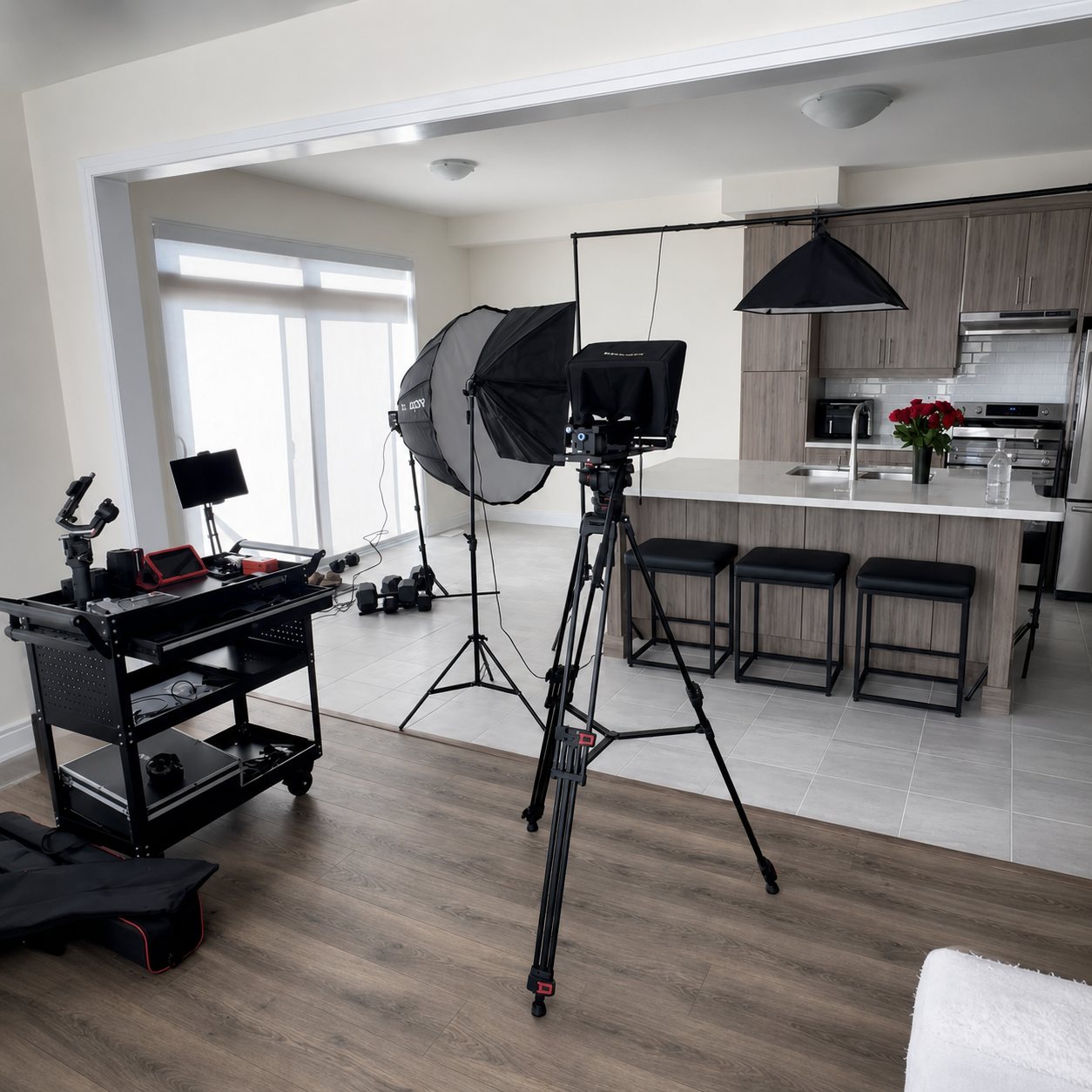
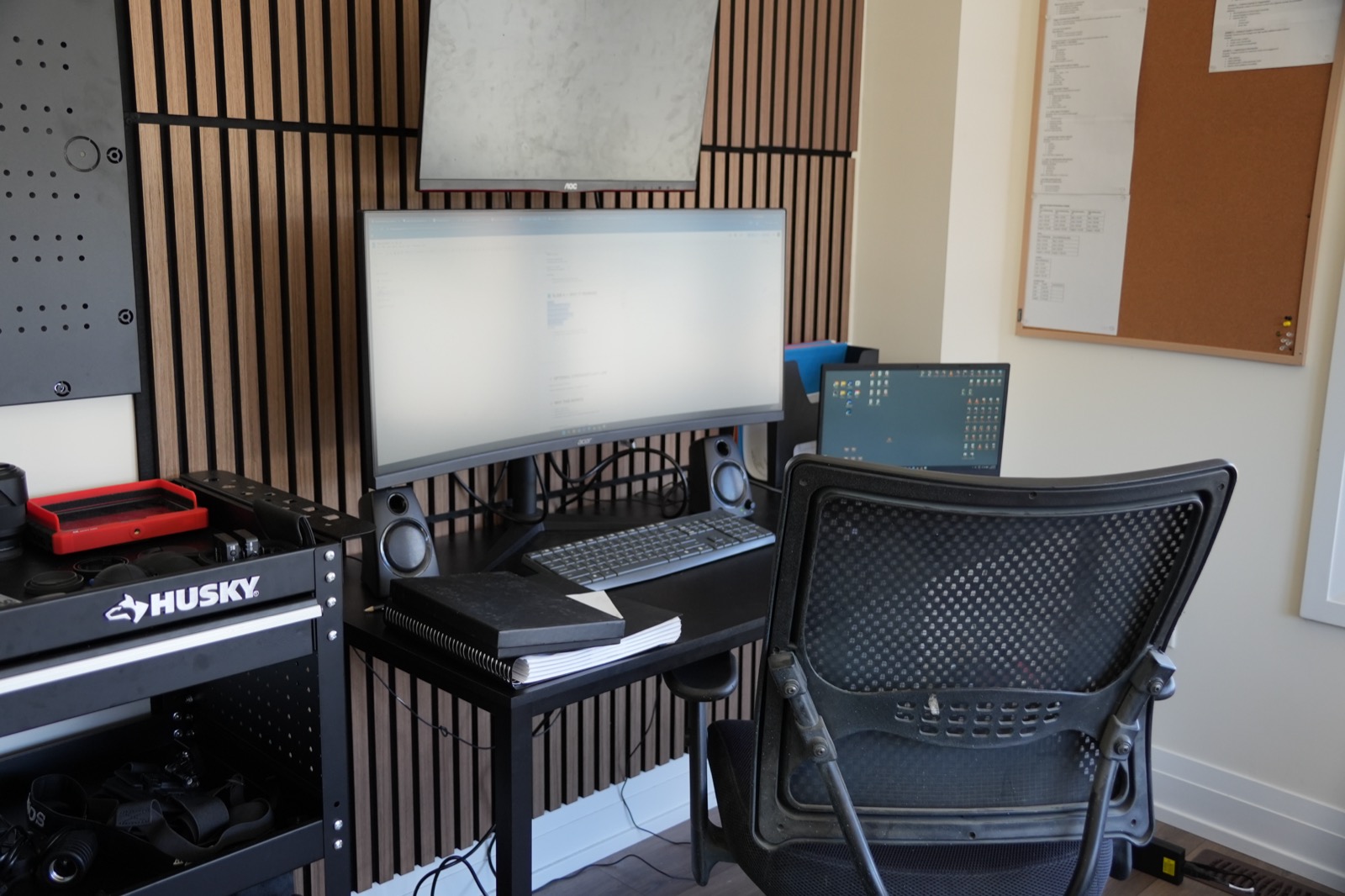
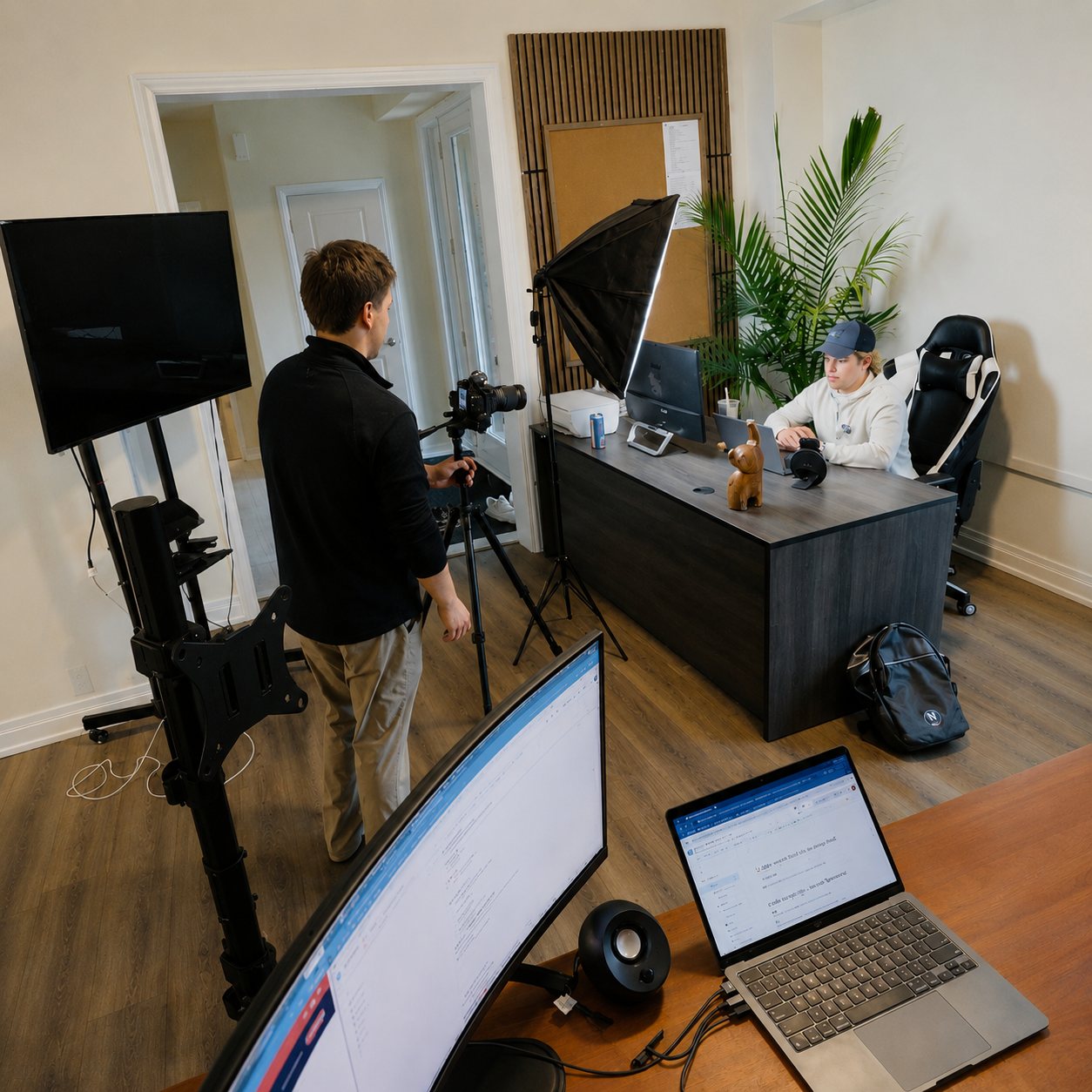 The office
5.0 ★ on Google
5.0Google rating“Working with NewLife Marketing has been a great experience. Their team has travelled to our locations to film professional content and turn it into Meta ad campaigns focused on generating real leads for our stores. The campaigns have been profitable, the communication has been consistent, and they’re always looking for ways to improve performance and bring us more opportunities. It’s been great having a marketing team that’s willing to show up, understand our business, and put in the work. We’d highly recommend NewLife Marketing to any business looking to grow through digital advertising.”
Last step
You will talk to Cruz or Keegan, not a sales rep. If the honest answer is that you do not need us yet, that is what you will hear, and you keep the plan either way.