


Start With One Offer and One Action
A landing page exists for a single purpose. Not “learn about us.” Not “browse our services.” One offer, one button.
Say you run a plumbing company and you’re paying for a Google ad on “water heater replacement.” That click should land on a page about water heater replacement, with one action: book a quote. No top navigation sending people to your homepage, your blog and your careers page. Every extra link is an exit.
Make the Headline Match the Ad
Visitors decide in seconds whether they’re in the right place. The fastest way to lose them is a headline that doesn’t echo what they just clicked.
If the ad says “Same-Day Water Heater Replacement,” the headline says the same thing, in the same words. Underneath, one sentence on who it’s for and what happens next. Skip the slogan. Clarity beats clever.
Landing Page Best Practices for Forms
The form is where most pages bleed leads. Ask only for what you need to follow up.
- Name, phone or email, and one qualifier. A qualifier might be “What do you need done?” That’s it.
- Cut every optional field. Each extra box gives someone a reason to quit.
- Make the button say what happens. “Get my quote” beats “Submit.”
If the lead is worth hundreds of dollars, a slightly longer form that filters out tire-kickers can be worth it. Test it rather than guessing.
Show Proof Near the Button
People hesitate right before they commit. Put reassurance exactly there: real reviews, a Google rating, a short testimonial, logos of work you’ve done, a guarantee you actually honour.
Use real ones. Never invent a quote or a client name, and don’t use stock photos pretending to be your team. Visitors can tell, and so can the platforms that review your ads.
Build the Page for the Phone First
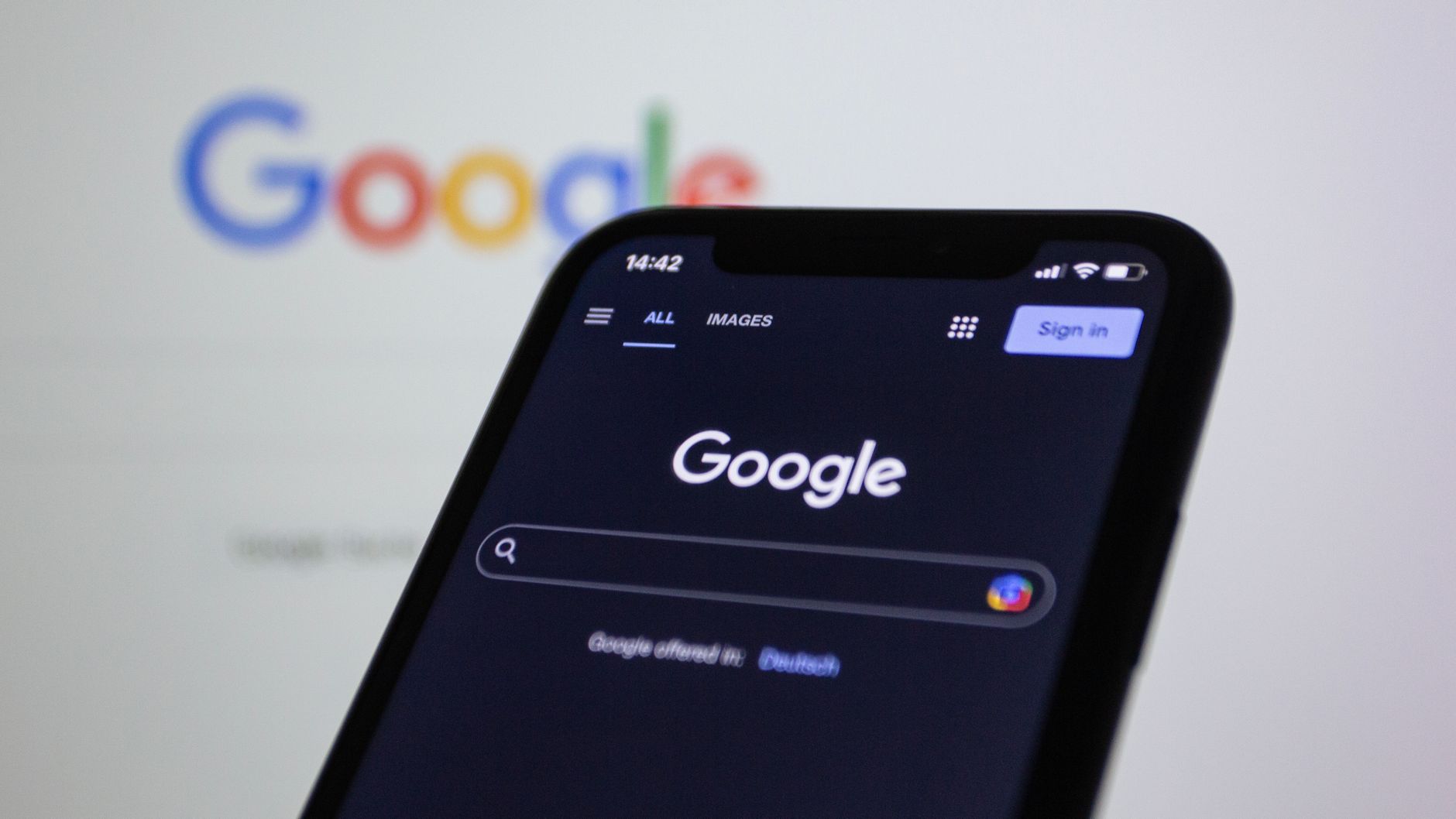
Plenty of your visitors will arrive on a phone, especially from local searches. Open your page on yours, on mobile data, and be honest.
- Does the headline and button show without scrolling?
- Is the phone number tap-to-call?
- Can a thumb hit every button without zooming?
- Does the page load in a couple of seconds?
Compress oversized images first. That’s the most common cause of a slow page, and it’s a ten-minute fix.
Keep the Page Short Enough to Finish
There’s no ideal length. A low-risk offer, like a free quote, can work on a short page. A bigger decision, like a $15,000 kitchen renovation, needs more: process, pricing context, answers to objections. Write until the questions stop, then stop.
Break copy into short blocks with plain subheadings. Use the words your customers use, not the ones in your internal deck.
Write Copy That Answers the Obvious Questions
Before anyone fills in a form they want four things answered: what exactly do I get, what does it cost or how is it priced, how fast does it happen, and what if it goes wrong. If your page leaves any of those blank, the visitor goes looking elsewhere, usually back to the search results.
Lead with the benefit, then the detail. “Hot water back today” lands harder than “We offer a comprehensive range of water heater solutions.”
Track the Right Number
A landing page is judged on one metric: the share of visitors who take the action. Install conversion tracking before you spend a dollar. Count form submissions and calls, not page views.
Then change one thing at a time. New headline this week, new button next week. If you change five things and the rate moves, you won’t know why. Most small accounts don’t have the traffic for a formal split test, so compare week against week and be patient.
Send the Right Traffic
The best page in the world can’t fix a bad audience. If you’re running ads, check that your keywords and targeting match the offer. Our Google Ads service builds the campaign and the page as one system, because they depend on each other. If the page also needs a proper build, that’s where websites, portals and platforms comes in.